Rushing in Piano Duets? Agree on the Tempo Before You Start
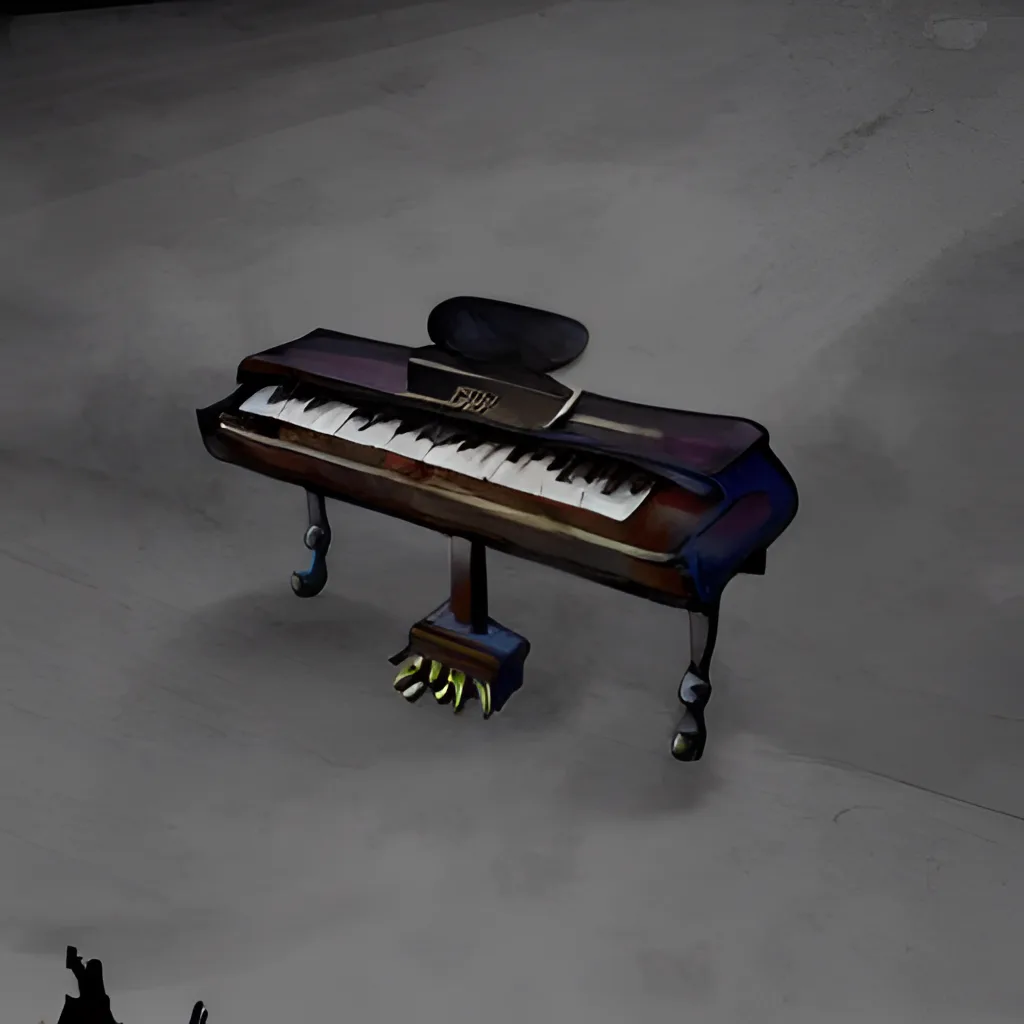
When a piano duet keeps rushing, the most common reason is that the two players have different tempos in their heads. Agree on the speed before you start and count in one bar together. While you play, let the player with the melody lead the pulse and let the other player listen closely, so that both pairs of hands set off from the same beginning. Agreeing in advance is far more useful than arguing after a mistake.
A few small agreements before playing together
In a duet the two players sit very close, and their hands may cross or come near each other in the middle. Deciding beforehand who sits on the upper (treble) side and who on the lower (bass) side, which player's part leads in each section, and that you will not stop at a wrong note but keep going together, can save a lot of confusion in the moment.
In short
When you practise, you can first play together at a slower tempo, record it and listen back together to see where the rushing starts. Very often the problem is only in one or two bars, and repeating just those bars together a few times is more efficient than starting the whole piece from the top again.
Playing together is also practice in listening to each other. When it goes well, tell each other what worked smoothly, and you will be keener to practise together next time.

Things to agree on before playing
Before you start, the two of you can agree on a few things: what tempo to use, who gives the signal to begin, and what to do when a mistake happens. For example, you can agree not to stop when you slip, but to keep playing and line up again at the start of the next phrase.
You can check the tempo with a metronome first, listening to a few beats together before you begin. Or the player with the melody can softly count one bar in, and the other player comes in after it.
You should also say who will use the pedal. In a duet the pedal is usually looked after by the player of the lower part, and settling this beforehand avoids a muddy sound.
You've read 31% of this article
Log in for free to read the remaining 69%
- Free to use
- No credit card needed
Plus, try Premium free for 7 days in the TIGA ALPHA app.
Continue with Google Sign up free Already a member? Log inBefore playing together, you can also play the hardest passage once slowly together, to confirm that you match in tempo and dynamics there. Once the difficult spots are lined up, the whole piece goes much more smoothly.
Learn to listen to your partner while you play
One of the most important skills in duet playing is hearing the other player while you play your own part. First learn your own part well separately, then play together at a slow tempo, and consciously listen to what the other person is playing.
If you keep rushing, you can try having one player play just a few key beats while the other follows those beats. Once you have found a shared sense of rhythm, go back to playing the full parts.
Pay attention to the volume balance too. The melody should be clear, while the accompaniment and bass support it without covering it. You can record yourselves and listen back to see which parts are too loud or too quiet.
Eye contact is also very useful when playing together, especially at the beginning, at the end and wherever the tempo changes. A simple nod can get the two of you to start or finish at the same moment.
After practice, the two of you can look back together at what worked well and what still needs adjusting.
Choosing duets that suit you
Duets come in different levels of difficulty and suit different pairings. Depending on the level of the two players, you can choose an arrangement in which both the upper and lower parts are at a suitable level, so that both of you can concentrate on playing together.
Beginners can start with simple duets, for example one player on the melody and the other on a simple accompaniment. Once you are comfortable, try pieces in which both parts take turns with the melody.
Duets are not only practice, but also a way to enjoy music. Playing with a partner at home or in a lesson helps build listening and cooperation skills.
Remember this
Playing together takes patience from both people. Give each other a little more room to listen and fit in, and the process of playing together will bring a lot of enjoyment in itself.
Order of practice
- Softly count in one bar together before you start
- Agree who gives the starting beat and who ends
- First learn your own part well on your own
- When playing together, listen to your partner rather than just staring at your own score
Frequently asked questions
Q: What if brothers and sisters playing together tend to quarrel?
A: Take turns being the one who counts in, and agree not to blame each other for mistakes, so that attention goes back to the music.
Q: Do we need a metronome for piano duets?
A: A metronome is very useful for lining up the tempo when you first play together. Once you are comfortable, try switching it off and keep the rhythm by listening to each other.
Q: Who uses the pedal in a piano duet?
A: Usually the player of the lower part, though it can also be decided by the instructions in the score or by your teacher's advice.
Q: Should we stop if we play a wrong note?
A: It is best to agree beforehand not to stop, but to keep playing and line up again at the next phrase.
Q: Can two players of different levels play duets together?
A: Yes. Choose a suitable piece and let the less advanced player take the relatively simpler part.
Q: Who turns the pages when playing duets?
A: You can agree this beforehand. It is usually the player of the upper part, or you can mark the page turns in advance.
Start practising with TIGA ALPHA
TIGA ALPHA is an AI piano teaching app built by a team in Thailand. The app is available in 10 languages: Thai, English, Chinese, Arabic, Japanese, Russian, Spanish, French, Hindi and Korean. Its CEO, Teacher Aum, has 20 years of experience teaching piano, and that teaching background shapes every lesson. When you play, the app listens and tells you which notes or beats to practise next, so the feedback is specific rather than generic. Use it as an online piano lessons app for short daily sessions, follow it as a complete online piano course, or combine it with lessons from a teacher. Whether you are starting from scratch, coming back after a long break, learning music alongside your children or simply playing for fun, your next step stays clear. New users get a 7-day free Premium trial, then US$24.99 per month.
- Download and start: TIGA ALPHA
- In-person lessons in Thailand: TIGA Studio
- About the company: tigaalpha.com