What Is the Harmonic Series? The Many Notes Hidden in One Note
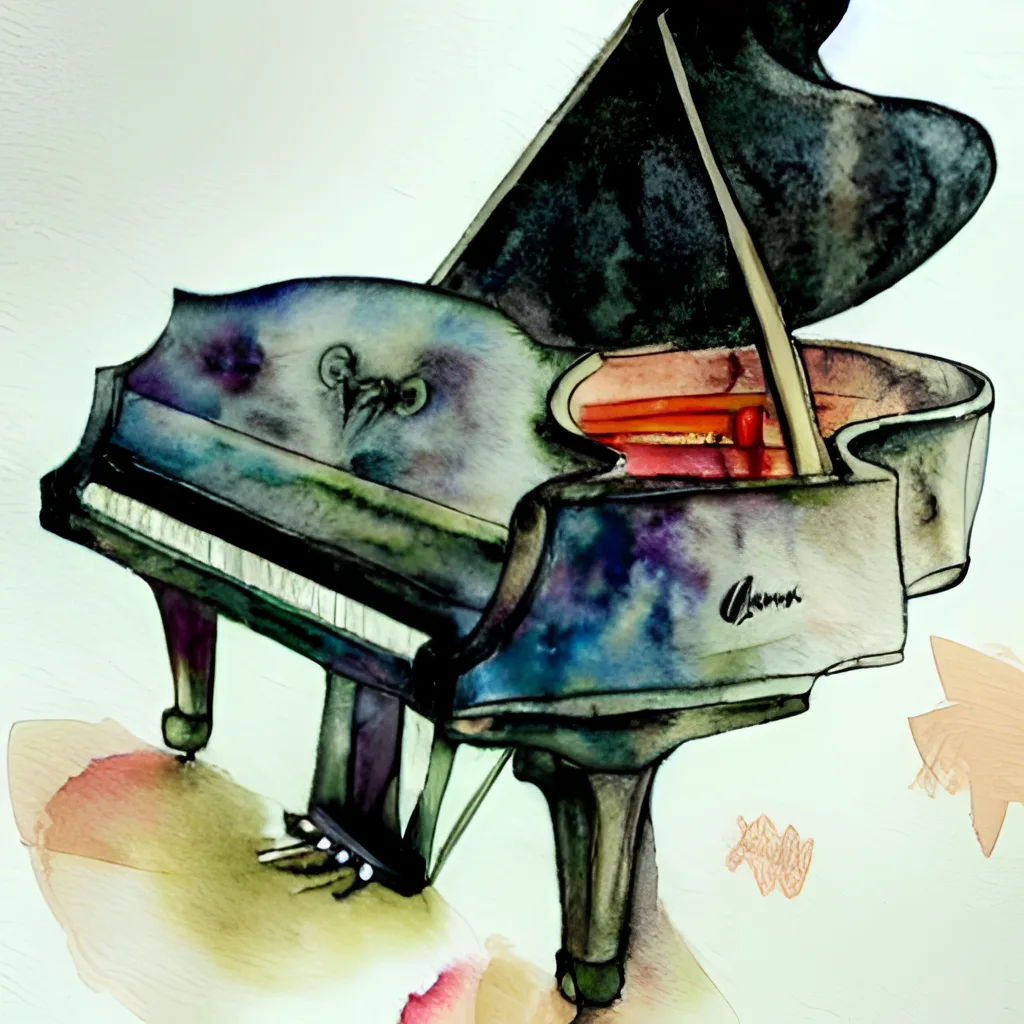
When you press a piano key, you hear one note. But if you listen closely as it slowly fades away, you may notice higher, thinner sounds hidden inside it. These sounds are overtones. Arrange the overtones in order from low to high and you have the harmonic series. It is the key to understanding tone colour, and the foundation of a great deal of music theory.
How a String Vibrates
When a string is struck, it does not simply swing as a whole. At the same time it also divides into two parts, three parts, four parts and so on, each vibrating separately. The vibration of the whole string produces the lowest note, called the fundamental. The vibration of the parts produces higher notes than the fundamental, called overtones.
- The whole string vibrating: produces the fundamental.
- Dividing into two parts: produces a sound an octave above the fundamental.
- Dividing into three parts: produces a still higher sound, and so on in turn.
The single note we normally hear is really a blend of the fundamental and many overtones.
How the Harmonic Series Is Arranged
The harmonic series follows a regular pattern. Starting from the fundamental, the first overtone is an octave higher, the second is higher again, and the gaps get smaller as you go up. The first few overtones correspond to intervals we know well, such as the octave, the fifth and the third. This is why chords sound harmonious: their notes are already related inside the harmonic series.
Chords and Overtones
The notes of a major triad can be found among the first few positions of the harmonic series, which is why they sound so well blended.
Overtones and Tone Colour
Different instruments have different tone colours, and one reason is that their combinations of overtones differ. Some instruments have many high overtones and sound bright, while others have fewer and sound soft. The piano's sound also has its own overtone character, depending on the thickness and length of the strings and the point where the hammer strikes.
You've read 31% of this article
Log in for free to read the remaining 69%
- Free to use
- No credit card needed
Plus, try Premium free for 7 days in the TIGA ALPHA app.
Continue with Google Sign up free Already a member? Log inHearing Overtones on the Piano
Here is a small experiment you can try at home.
- Gently press and hold the C one octave above middle C, without making it sound.
- Play the low C below middle C firmly, then quickly release it, keeping your finger on the upper key.
- Now the upper string will vibrate faintly through resonance and give out a delicate sound.
This happens because the overtones of the low C include a sound an octave higher, which makes the corresponding string vibrate in sympathy. For this experiment, the room should be quiet and your ear close to the piano so you can hear it clearly.
How This Helps Your Playing
Understanding the harmonic series can make your ears more sensitive. When you play a long note, learn to listen to the way the sound rings on, and notice whether it fades away evenly. When you play a chord, listen to whether the notes blend together. This kind of listening practice gradually improves your judgement of pitch and tone colour. TIGA ALPHA is an AI piano teaching app developed by a team in Thailand. When students play at home, it can help check whether the notes are accurate and the beat is steady. Learning to hear the layers inside a sound, however, takes time with a teacher's demonstration.
Games for Children
- "Find the echo": play a long note and ask the child to put an ear close to the piano and listen to how the sound changes.
- "High or low": play a low note and a high note, and ask the child which one sounds "thicker" and which one sounds "brighter".
- "Draw the sound": ask the child to draw what a note looks like from the moment it starts until it disappears.
A Few Reminders for the Experiment
During the experiment, do not press too hard, and do not tap the strings with your hand. Children should do it with a parent beside them, taking care of the instrument. If you cannot hear the overtones, there is no need to worry. Everyone's ears and surroundings are different, and you will discover something after a few more tries.
Overtones and Tuning
Piano tuners often use overtones to judge whether two notes agree. When the overtones of two notes line up, the sound is steady. When they do not line up, you hear "beats", a wavering between louder and softer. Children can listen for these subtle fluctuations when two neighbouring strings sound slightly different pitches, and so experience how sharp the ear can be. Of course, this kind of fine listening takes time, so there is no need to hurry.
From Overtones to Harmony
The first notes of the harmonic series are the octave, the fifth and the third, which matches the basic make-up of a chord. When a child later learns triads, you can recall this little experiment: the notes of the chord were already present inside a single note. Connecting new knowledge to what the ear has experienced makes abstract theory feel friendly.
Frequently Asked Questions
Q: Does every note have overtones?
A: Most instruments produce notes that contain overtones, just in different strengths.
Q: Are overtones the same thing as tone colour?
A: Overtones are one important reason for differences in tone colour, but there are other factors, such as the attack and the decay.
Q: Is it normal not to hear the overtones?
A: Yes. You need a quiet room and a little patience, and it gets easier after a few more listens.
Q: Do I have to understand the harmonic series to learn piano?
A: It is not essential, but understanding it can help you understand tone colour and chords.
Practise with TIGA ALPHA
TIGA ALPHA is an AI piano teaching app built by a team in Thailand. The app is available in 10 languages: Thai, English, Chinese, Arabic, Japanese, Russian, Spanish, French, Hindi and Korean. Its CEO, Teacher Aum, has 20 years of experience teaching piano, and that teaching background shapes every lesson. When you play, the app listens and tells you which notes or beats to practise next, so the feedback is specific rather than generic. Use it as an online piano lessons app for short daily sessions, follow it as a complete online piano course, or combine it with lessons from a teacher. Whether you are starting from scratch, coming back after a long break, learning music alongside your children or simply playing for fun, your next step stays clear. New users get a 7-day free Premium trial, then US$24.99 per month.
- Download and start: TIGA ALPHA
- In-person lessons in Thailand: TIGA Studio
- About the company: tigaalpha.com
If you listen quietly to the ring of a single note, you will find other sounds inside it.