The Harmonium: A Hand-Pumped Reed Keyboard Explained
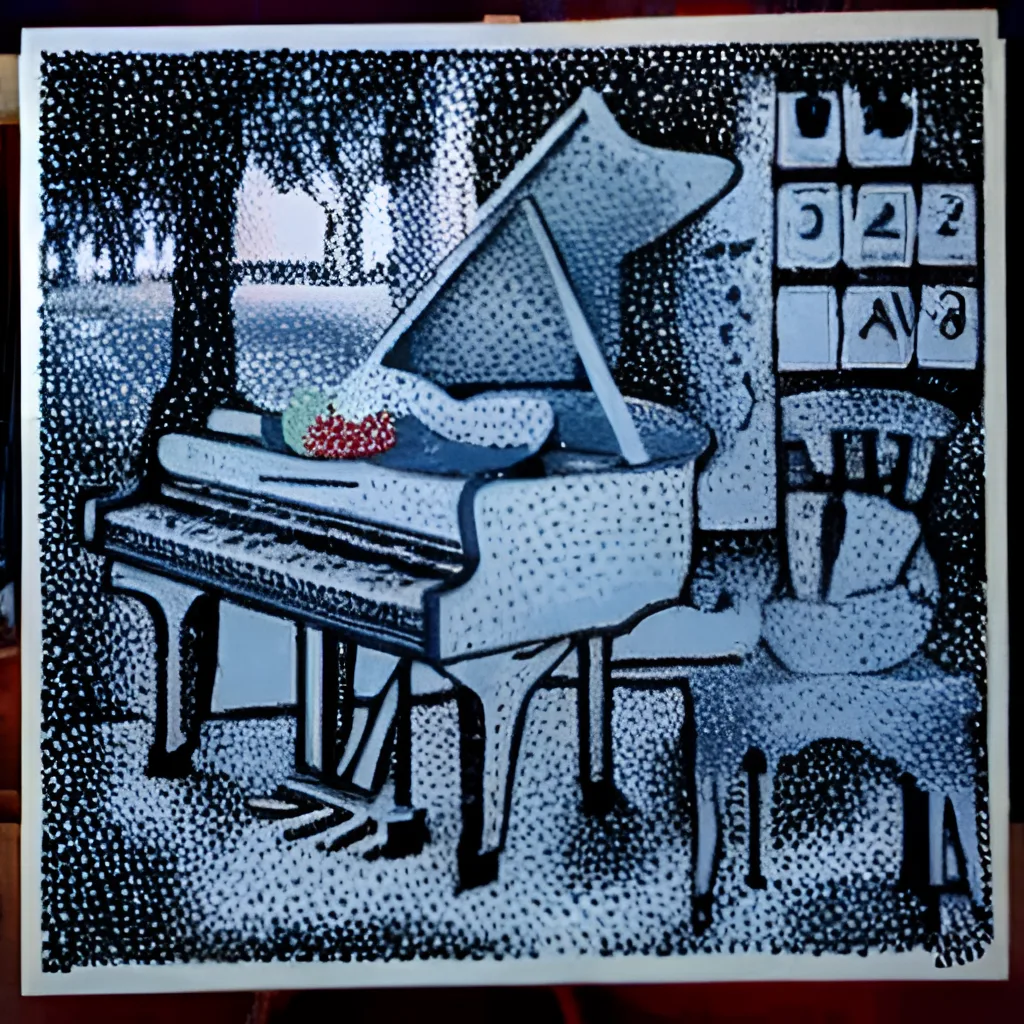
The harmonium is a keyboard instrument that makes sound with air and free reeds. The player pumps bellows, by hand or with foot pedals, to fill a wind chamber. Pressing a key opens a valve, air rushes past a thin metal reed, and the reed vibrates to make a steady, organ-like tone. Unlike a piano note, a harmonium note lasts as long as the key is held and there is air in the bellows. Hand-pumped harmoniums are widely used to accompany singing in South Asian music, while foot-pumped reed organs were once common in homes and community halls in many countries.
How free reeds make sound
A free reed is a small, flexible strip of brass or steel fixed at one end over a slot. When air pushes through, the reed swings back and forth through the slot, chopping the airflow into rapid pulses that we hear as a pitch. Thinner, shorter reeds sound higher; longer, heavier reeds sound lower.
Bellows and air supply
The bellows store air under gentle pressure. A steady pumping motion keeps that pressure even, which keeps the tone even.
Stops and reed banks
Many harmoniums have more than one set of reeds, sometimes tuned an octave apart. Pulling a stop opens a set, so players can thicken the sound or choose a brighter colour.
Drone stops
Some instruments include drone knobs that hold a chosen note while the hands play, supporting the singer with a constant reference pitch.
Two hands, two jobs
On a hand-pumped harmonium, one hand works the bellows at the back while the other plays the keys. That means melodies are often played with one hand, and the pumping hand controls loudness and phrasing.
- Pumping faster or harder makes the tone louder.
- Easing off lets a phrase relax and fade.
- Running out of air in the middle of a line breaks the sound, just as a singer running out of breath would.
For this reason, harmonium players learn to plan their pumping around phrases, much like singers plan breaths.
You've read 31% of this article
Log in for free to read the remaining 69%
- Free to use
- No credit card needed
Plus, try Premium free for 7 days in the TIGA ALPHA app.
Continue with Google Sign up free Already a member? Log in
What pianists can learn from the harmonium
The piano and harmonium look similar, but their sound behaves very differently. Comparing them highlights skills pianists sometimes overlook.
Sustain is a choice
On the harmonium, the sound lasts exactly as long as the key is held. This shows clearly whether a player's legato is truly connected. Pianists can borrow the idea by listening for gaps between notes when playing without pedal.
Phrasing follows breath
Because air drives the sound, phrases naturally rise and fall with the bellows. Imagining a breath behind each piano phrase can make playing more vocal.
Supporting a singer
Harmonium players often follow a singer closely, outlining the melody and adding drones. Pianists who accompany singers can use the same approach: support the line, do not compete with it.
Ornaments and melodic detail
In many styles, harmonium players decorate melodies with quick grace notes and slides between neighbouring keys, echoing the vocal line. Since the instrument cannot bend pitch, these fast ornaments give a sense of movement and expression.
At the piano, you can practise a similar idea: play a simple tune and add one short grace note before selected melody notes, keeping the main note clearly on the beat.
- Keep the grace note light and quick.
- Land firmly on the main note.
- Use ornaments on only a few notes so they stay special.
Reeds, electronics and AI
Reed instruments were an important step in the long story of keyboard technology. Their sound later inspired electronic organs, and today digital keyboards can recreate harmonium tones by sampling or modelling them. Some electronic versions even replace hand-pumping with a volume pedal or a breath sensor.
Learning tools are evolving too. An AI piano teaching app such as TIGA ALPHA listens to what a learner plays and gives feedback on accuracy and timing, while musical choices such as phrasing and breath-like shaping stay in the learner's hands. The harmonium is a good reminder that technology works best when it supports musical intention.
Simple practice ideas inspired by the harmonium
- Play a slow melody with no pedal and listen for unwanted gaps between notes.
- Sing a phrase, then play it on piano, shaping the volume as if pumping air.
- Hold a low tonic note with the pedal as a drone and improvise a short melody above it.
- Play the same melody once with flat volume and once with a gentle swell and fade.
FAQ
Q: Is a harmonium the same as an organ?
A: Both are keyboard instruments that use air, but a pipe organ uses pipes, while a harmonium uses small free reeds and is far more portable.
Q: Why does a harmonium sound steady?
A: As long as air keeps flowing and the key is held, the reed keeps vibrating, so the tone does not decay like a struck string.
Q: Can pianists learn harmonium quickly?
A: The keyboard layout is the same, so notes are familiar, but controlling the bellows and phrasing with air takes practice.
Q: Does harmonium tuning differ from piano tuning?
A: Harmonium reeds are fixed in pitch and tuned in the workshop, so they rarely need adjustment, though older instruments may drift.
Get started with TIGA ALPHA
TIGA ALPHA is an AI piano teaching app built by a Thai team, with lessons in 10 languages: Thai, English, Mandarin, Arabic, Japanese, Russian, Spanish, French, Hindi and Korean. Its CEO, Teacher Aum, has 20 years of experience in piano teaching, and that music teaching background shapes every lesson, while piano teaching with AI gives you feedback each time you play piano. Use it as an online piano lessons app for short daily sessions, follow it as a complete AI online piano course, or combine it with a piano course or piano learning course led by a teacher. Whether you want to learn piano from zero, learn piano online after a long break, learn music alongside your children or simply play music for fun, this online piano teaching application keeps your next step clear. New users get a 7-day free Premium trial, then US$24.99/month. Open the piano teaching app below and pick a first lesson that fits your week.
- Download and start: TIGA ALPHA landing page
- In-person lessons in Thailand: TIGA Studio
- About the company: tigaalpha.com
Playing a keyboard that breathes is a quiet way to learn that every phrase needs air, shape and somewhere to land.