How the Harpsichord Makes Sound: Plucked Strings vs Struck Strings
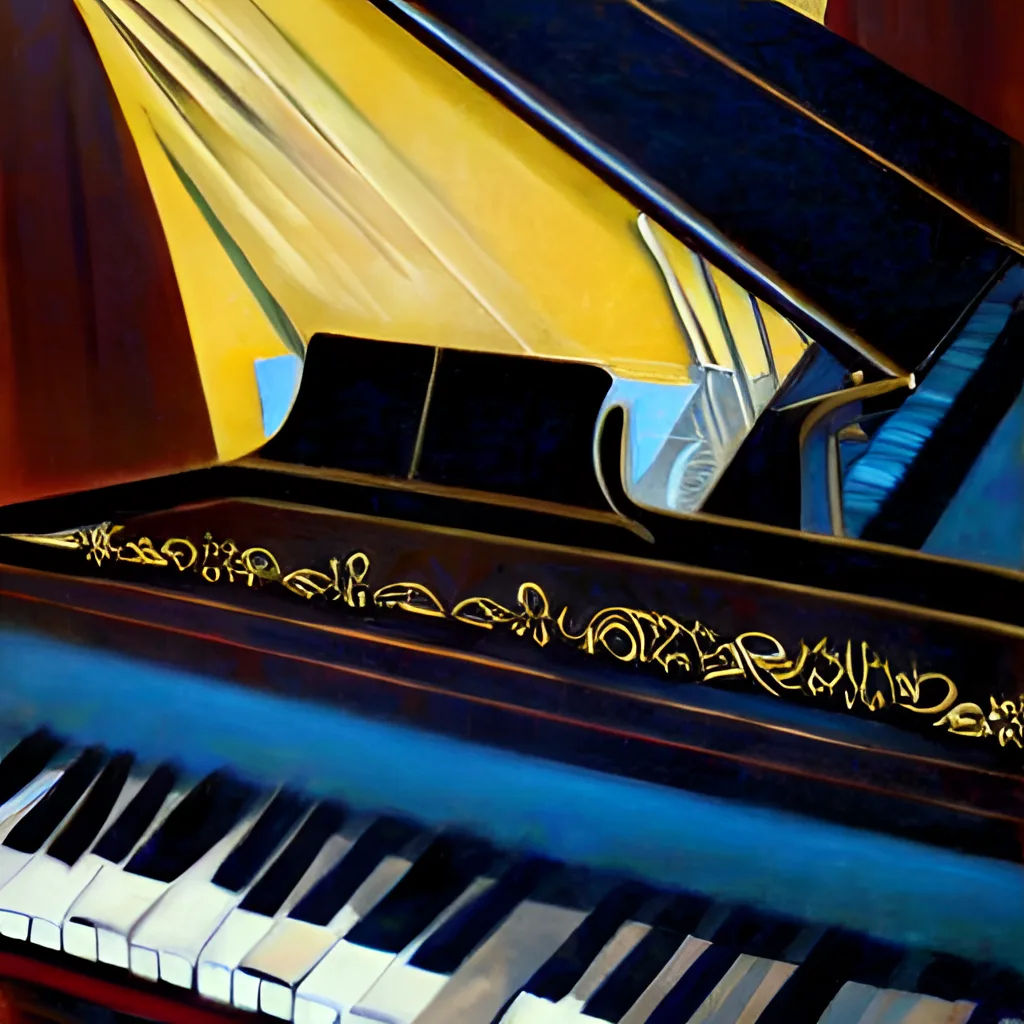
In a museum or at a concert, you may sometimes see a keyboard instrument that looks like a piano but sounds much crisper. It is called the harpsichord. Like the piano, it has keys and strings, but the way it makes sound is very different. Understanding the difference helps you see why the piano can vary its volume.
What the Two Instruments Share
Both the harpsichord and the piano have a row of keys. Pressing a key sets a mechanism in motion that touches the string and makes it vibrate. The vibration of the string is amplified by the soundboard in the body of the instrument and becomes the sound people hear. In appearance, both have a long lid and a set of strings.
- Both have a keyboard played with the fingers.
- Both make sound through vibrating strings.
- Both rely on a soundboard and the body of the instrument to amplify the sound.
The Harpsichord: Plucking the Strings
In a harpsichord, each key is connected to a small strip of wood, and a tiny plectrum is fixed to the strip. When you press the key, the strip rises and the plectrum gently plucks the string, much as a finger plucks a guitar string. The plectrum can be made of quill, leather, plastic or other materials.
The Character of the Sound
A plucked string gives a crisp sound with a clear attack and a short decay. Whether the key is pressed hard or softly, the string is plucked in essentially the same way, so the range of volume is fairly limited.
How to Create Variety
Players can express themselves through ornaments, flexibility of rhythm and different combinations of tone. Some harpsichords have two keyboards, or let you switch between different sets of strings, to change the thickness of the sound.
The Piano: Striking the Strings with Hammers
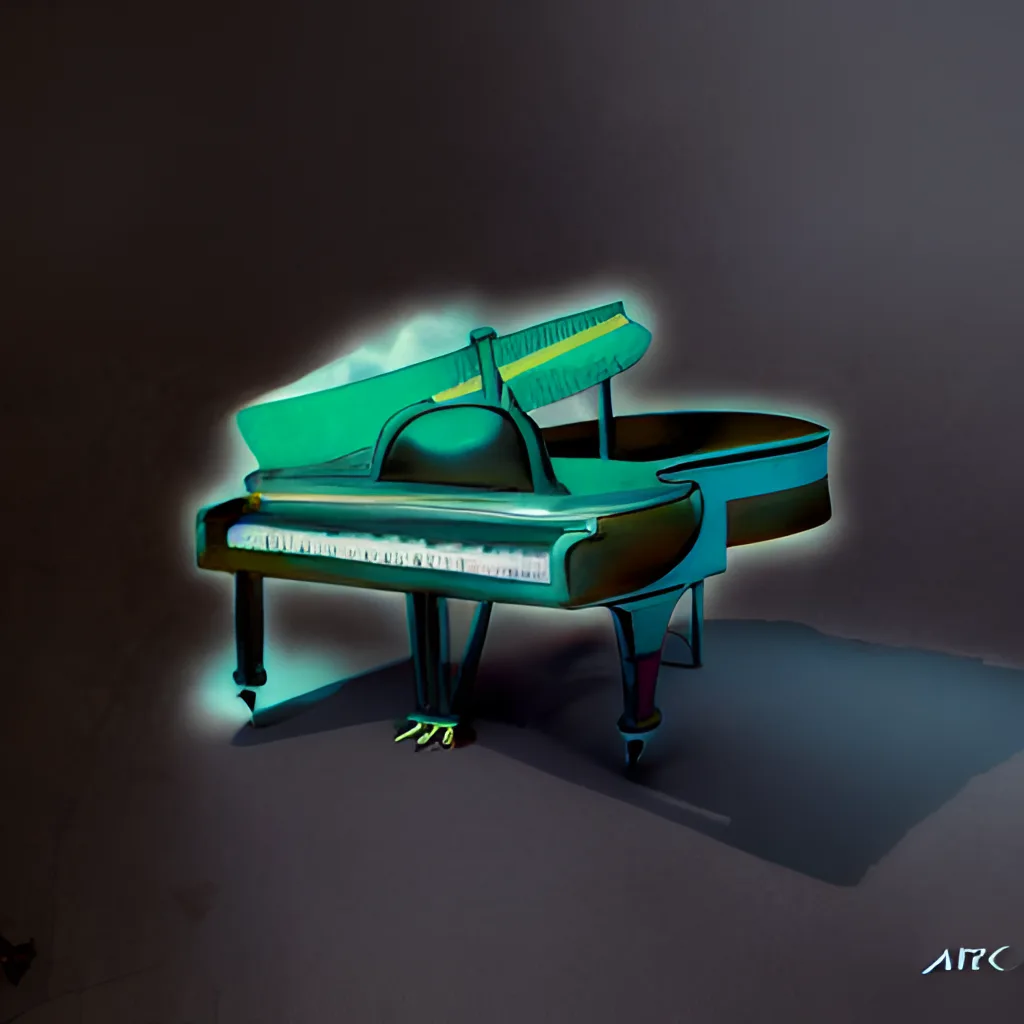
In a piano, each key is connected to a felt-covered hammer. When you press the key, the hammer strikes the string and then rebounds, leaving the string free to vibrate. The speed at which the hammer strikes decides the volume: press quickly and the sound is loud, press slowly and it is soft.
You've read 33% of this article
Log in for free to read the remaining 67%
- Free to use
- No credit card needed
Plus, try Premium free for 7 days in the TIGA ALPHA app.
Continue with Google Sign up free Already a member? Log inThis is why the piano has such a rich range of loud and soft, and it is where the instrument gets its name. The full name of the piano is "pianoforte", meaning "soft-loud", because it can be played both loudly and softly.
The Difference in Feel
The two instruments feel different under the fingers. The keyboard of a harpsichord is usually light, and pressing a key gives almost no feedback in terms of force. A piano keyboard has some weight, and the speed and force with which you press a key directly affect the sound. So when you move from one instrument to the other, your fingers need to adapt again.
- Harpsichord: light keys with a direct response, expressing more through rhythm and ornaments.
- Piano: weighted keys, expressing more through the depth and speed of touch.
A Listening Exercise
You can find two recordings, one of a harpsichord and one of a piano, and let your child listen: which one sounds crisper? Which one has a richer variety of volume? Describing what you hear aloud, or drawing it, makes an enjoyable listening game.
What This Means for Learning Piano
Understanding the harpsichord helps explain why touch matters. On the piano, the speed of the finger decides the volume, so a relaxed arm and a steady wrist are essential. When you practise, listen to how your volume changes and think about how to draw loud and soft with your fingers. TIGA ALPHA is an AI piano teaching app that students can use at home to practise repeatedly and keep an eye on whether the notes and rhythm are steady. The subtle feel of touch, however, needs a teacher to demonstrate in person in a lesson.
Questions from Young Children
Children often ask: why do these two instruments look alike but sound different? You can answer in simple words: one "plucks" and the other "strikes". Then ask the child to gently pluck and then strike the tabletop with a finger, and feel the difference between the two actions.
The Two Instruments on the Page
In piano music, the score often carries markings for loud and soft, such as signs for gentle and strong playing, reminding the player to use different kinds of touch. In music written for the harpsichord there are relatively few such markings, and players rely more on ornaments, the handling of rhythm and the arrangement of figures to make the music rise and fall. Comparing the two kinds of score helps piano learners see that the character of an instrument influences how music is composed and performed.
Frequently Asked Questions
Q: Can a harpsichord play loud and soft?
A: The volume range from key pressure alone is very limited, so players mainly express themselves in other ways.
Q: Did the piano develop from the harpsichord?
A: Each instrument has its own construction. The piano appeared relatively later and makes sound in a different way.
Q: Do I need to know this to learn piano?
A: It is not essential, but understanding how the instruments work helps you grasp the link between touch and sound.
Q: Should an ordinary family buy a harpsichord?
A: You do not need one to learn piano. You can get to know it first through recordings and exhibitions.
Practise with TIGA ALPHA
TIGA ALPHA is an AI piano teaching app built by a team in Thailand. The app is available in 10 languages: Thai, English, Chinese, Arabic, Japanese, Russian, Spanish, French, Hindi and Korean. Its CEO, Teacher Aum, has 20 years of experience teaching piano, and that teaching background shapes every lesson. When you play, the app listens and tells you which notes or beats to practise next, so the feedback is specific rather than generic. Use it as an online piano lessons app for short daily sessions, follow it as a complete online piano course, or combine it with lessons from a teacher. Whether you are starting from scratch, coming back after a long break, learning music alongside your children or simply playing for fun, your next step stays clear. New users get a 7-day free Premium trial, then US$24.99 per month.
- Download and start: TIGA ALPHA
- In-person lessons in Thailand: TIGA Studio
- About the company: tigaalpha.com
Both are keyboards, but because they make sound differently, they feel different to play and sound different too.