Caring for a Piano at Home: Humidity, Dust and Clean Keys
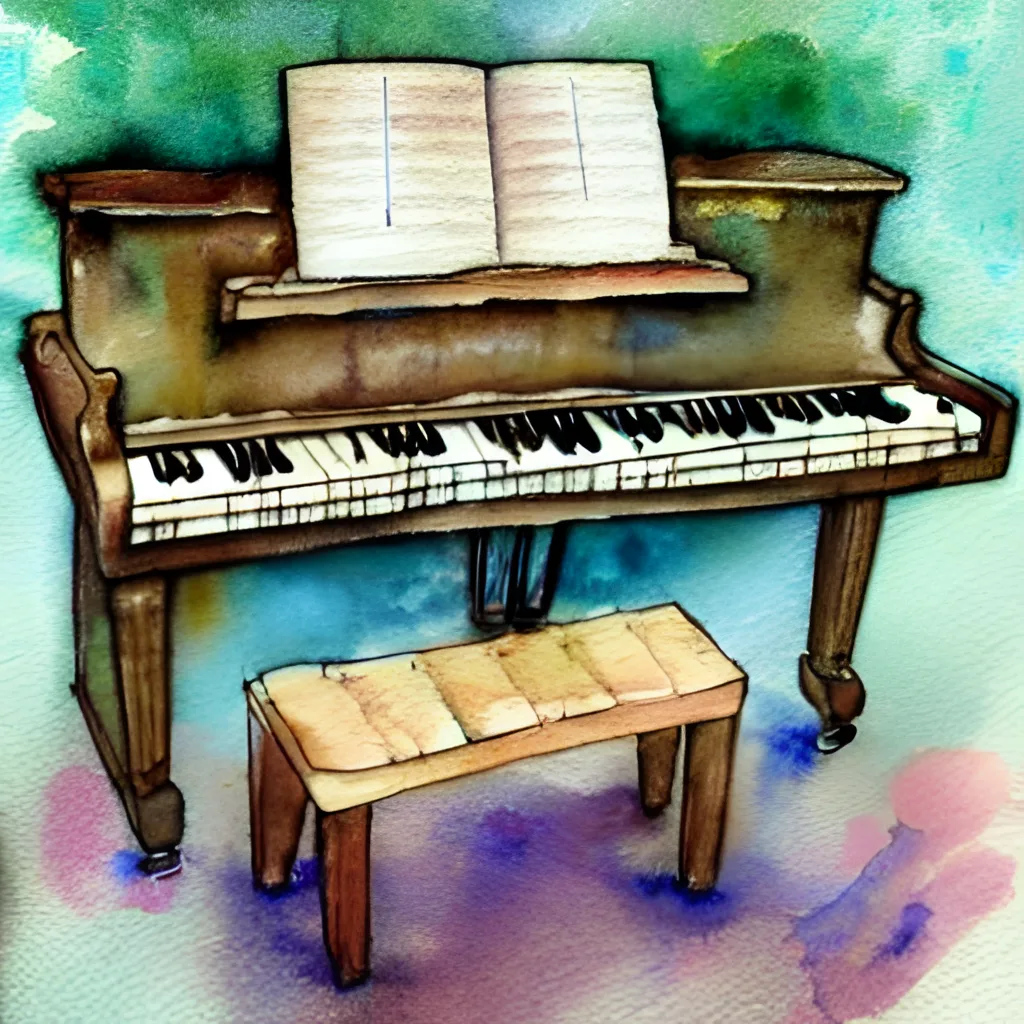
An acoustic piano is made largely of wood, felt, wool and metal, materials that respond to their surroundings. Changes in humidity make wood swell and shrink, which affects tuning, touch and even the soundboard. Dust and grime collect on keys and inside the case. A little regular attention keeps the instrument stable and pleasant to play, and helps you notice problems before they become expensive. Digital pianos need less care, but they also benefit from a clean, stable environment.
Why humidity matters
The soundboard, the large wooden panel that amplifies the strings, is slightly curved. When the air is humid, the wood absorbs moisture and the curve increases, pushing the strings and raising the pitch. When the air is dry, the wood loses moisture and the pitch drops. Large or frequent swings mean the piano drifts out of tune more quickly. Very humid conditions can also make keys sluggish and encourage rust on strings and tuning pins; very dry conditions can loosen glue joints and, over time, contribute to cracks.
In tropical climates, high humidity for much of the year is a common challenge, while air-conditioned rooms can create sudden dry periods. The goal is not perfect conditions but stable ones.
Where to place the piano
- away from windows that receive direct sunlight
- away from air-conditioning vents, fans and heaters
- not against an outside wall that becomes very hot or damp, if another wall is available
- on a level floor, with a little space behind an upright for air to move
A simple hygrometer, an inexpensive device that shows humidity, helps you understand how conditions change through the day and the seasons. Many technicians suggest keeping relative humidity moderate and steady; ask your technician what range suits your instrument and climate.
You've read 30% of this article
Log in for free to read the remaining 70%
- Free to use
- No credit card needed
Plus, try Premium free for 7 days in the TIGA ALPHA app.
Continue with Google Sign up free Already a member? Log in
Controlling humidity
Air conditioning and dehumidifiers
In humid climates, running a dehumidifier or air conditioning in the piano room can help, but avoid blasting cold air directly at the instrument.
Consistency over extremes
Switching air conditioning on and off sharply each day creates repeated swings. Gentler, more consistent settings are better for the wood.
Built-in systems
Some technicians can install a climate-control unit inside the piano that adds or removes moisture automatically. Ask whether it suits your situation.
Cleaning the keys
Keys collect skin oils and dust. Clean them gently:
- wash and dry your hands before playing, which prevents much of the grime
- use a soft, lint-free cloth, slightly dampened with water and a tiny drop of mild soap if needed
- wipe each key from the back toward the front, not side to side, so moisture does not run between keys
- dry immediately with a second cloth
- clean black keys with a separate cloth so any dark residue does not mark the white keys
Avoid sprays, strong solvents, household cleaners and abrasive cloths, which can damage key surfaces or seep into the action.
Cleaning the case
Dust the case with a soft, dry cloth or a feather duster. For polished finishes, a slightly damp microfibre cloth followed by a dry one is usually enough. Do not place drinks, plants or vases on the piano; a spill can cause serious damage to the action and strings.
What to leave to a technician
Do not attempt to clean inside the piano, adjust the action or tighten tuning pins yourself. The interior contains delicate parts that are easily misaligned. A qualified technician can vacuum the interior, check the action and tune the instrument. Regular tuning, often once or twice a year depending on use and climate, keeps the piano stable and allows the technician to spot developing issues.
Signs that need attention
Sticky or slow keys, buzzing, notes that will not stop sounding, rust on strings or a sudden change in tone are signs to call a technician. Noting when these appear, and what the weather was like, helps the technician diagnose the cause.
Learners using TIGA ALPHA on an acoustic piano with a microphone will get more consistent feedback from a well-tuned instrument, since pitch drift can make clean notes sound slightly off.
FAQ
Q: How often should a home piano be tuned?
A: Many owners tune once or twice a year, but heavy use or changing humidity may call for more frequent visits.
Q: Can I use furniture polish on a piano?
A: It is wiser to avoid it unless your technician recommends a specific product, as some polishes can damage finishes.
Q: Is air conditioning bad for a piano?
A: Not if used steadily; the problem is sudden swings and cold air blowing directly onto the instrument.
Q: How should I clean sticky keys?
A: Wipe them gently with a slightly damp cloth; if they remain sluggish, ask a technician to check the action.
Get started with TIGA ALPHA
TIGA ALPHA is an AI piano teaching app built by a Thai team, with lessons in 10 languages: Thai, English, Mandarin, Arabic, Japanese, Russian, Spanish, French, Hindi and Korean. Its CEO, Teacher Aum, has 20 years of experience in piano teaching, and that music teaching background shapes every lesson, while piano teaching with AI gives you feedback each time you play piano. Use it as an online piano lessons app for short daily sessions, follow it as a complete AI online piano course, or combine it with a piano course or piano learning course led by a teacher. Whether you want to learn piano from zero, learn piano online after a long break, learn music alongside your children or simply play music for fun, this online piano teaching application keeps your next step clear. New users get a 7-day free Premium trial, then US$24.99/month. Open the piano teaching app below and pick a first lesson that fits your week.
- Download and start: TIGA ALPHA landing page
- In-person lessons in Thailand: TIGA Studio
- About the company: tigaalpha.com
A piano cared for with small, regular habits rewards its players with steadier tuning, even touch and a sound that stays clear for years.