House Concerts for Piano Students: Music in a Living Room
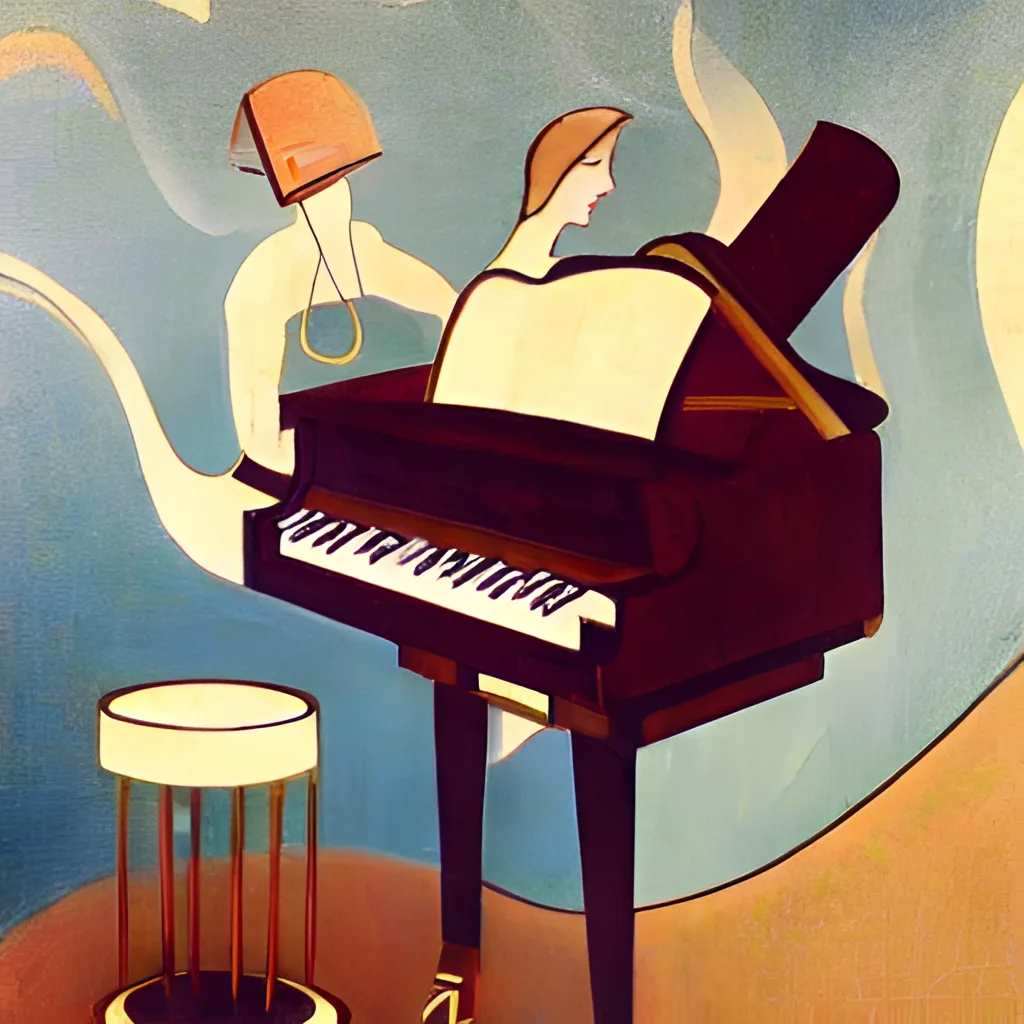
Before concert halls became common, much music was played in homes for friends and family. House concerts revive that tradition. A small audience gathers in a living room, a student or group of students plays a short programme, and everyone shares conversation and refreshments afterwards. For piano students, house concerts offer an intimate, friendly setting to perform, and for families they are a way to celebrate progress together.
Why house concerts work for students
House concerts sit between a lesson and a formal recital. The audience is small and familiar, the space is comfortable and the atmosphere is warm. Students can:
- perform a full programme of several pieces, not just one
- speak briefly about the music, building communication skills
- experience playing on a different piano in a different room
- receive personal responses from listeners afterwards
These experiences prepare students for larger performances while keeping pressure manageable. A living room also removes the distance of a stage, so students see faces, smiles and reactions, which many find encouraging once they get used to it.
Choosing a host home
The host home needs a playable piano, ideally tuned shortly before the event, and space for a small audience. A family in the studio may volunteer, or the teacher's own home may work. Agree on details with the host: the date, number of guests, seating arrangements, refreshments and how long the event will last. Respect the host's privacy and house rules.
Planning the programme
Keep it short
Thirty to forty-five minutes of music is enough for a living-room audience.
Mix moods
Alternate lively and gentle pieces, and include a variety of styles and periods.
You've read 30% of this article
Log in for free to read the remaining 70%
- Free to use
- No credit card needed
Plus, try Premium free for 7 days in the TIGA ALPHA app.
Continue with Google Sign up free Already a member? Log inFeature each performer
If several students play, give each a short set of two or three pieces rather than one piece each, so listeners get to know their playing.
Add a shared moment
End with a duet or a piece that involves more than one performer.
Talking to the audience
One special feature of house concerts is the chance to speak. Encourage students to introduce their pieces with one or two sentences: why they chose the piece, what to listen for or a fact about the composer. Practise these introductions in lessons. Speaking helps listeners engage and gives students confidence beyond the keyboard.
Preparing the instrument and space
Visit the home before the concert to try the piano. Every instrument feels different, and students benefit from a short rehearsal on it. Check the bench height, lighting on the music stand and whether pedals work well. Arrange chairs so the audience can see the performer's hands if possible, and leave a clear path to the piano so performers can walk on and off without squeezing past guests.
Hosting with care
Plan a simple schedule: arrival and greetings, the concert, then refreshments and conversation. Print a short programme with piece titles and performers' names. Remind guests to silence phones. If recording or photographing, ask permission from performers and families in advance and follow the studio's privacy approach.
When the music ends
Encourage guests to talk with the performers. Their questions and comments are often memorable for students. In the next lesson, discuss how the concert felt, what went well and what the student would like to try next time. Some studios hold house concerts once or twice a year, rotating hosts so different families can take part.
Variations on the idea
House concerts can take many forms: a themed evening of music from one country, a programme of student compositions, a family concert where parents and children play together, or an afternoon event for grandparents. The common thread is a small, warm setting where music and conversation sit side by side.
Students preparing a house concert programme with TIGA ALPHA can practise run-throughs of their full set, which builds the stamina needed for several pieces in a row.
FAQ
Q: How many guests should a house concert have?
A: Usually fifteen to thirty, depending on the space available.
Q: Does the piano need to be tuned?
A: Ideally yes, shortly before the event, so performers and listeners hear the music at its clearest.
Q: Should students speak about their pieces?
A: A short introduction helps listeners engage and builds the student's confidence.
Q: How long should a house concert last?
A: Thirty to forty-five minutes of music, plus time for conversation afterwards, works well.
Get started with TIGA ALPHA
TIGA ALPHA is an AI piano teaching app built by a Thai team, with lessons in 10 languages: Thai, English, Mandarin, Arabic, Japanese, Russian, Spanish, French, Hindi and Korean. Its CEO, Teacher Aum, has 20 years of experience in piano teaching, and that music teaching background shapes every lesson, while piano teaching with AI gives you feedback each time you play piano. Use it as an online piano lessons app for short daily sessions, follow it as a complete AI online piano course, or combine it with a piano course or piano learning course led by a teacher. Whether you want to learn piano from zero, learn piano online after a long break, learn music alongside your children or simply play music for fun, this online piano teaching application keeps your next step clear. New users get a 7-day free Premium trial, then US$24.99/month. Open the piano teaching app below and pick a first lesson that fits your week.
- Download and start: TIGA ALPHA landing page
- In-person lessons in Thailand: TIGA Studio
- About the company: tigaalpha.com
In a living room, music feels close and personal, and students discover that performing can be an act of hospitality as well as skill.