The Intermezzo on Piano: A Character Piece Between Larger Works
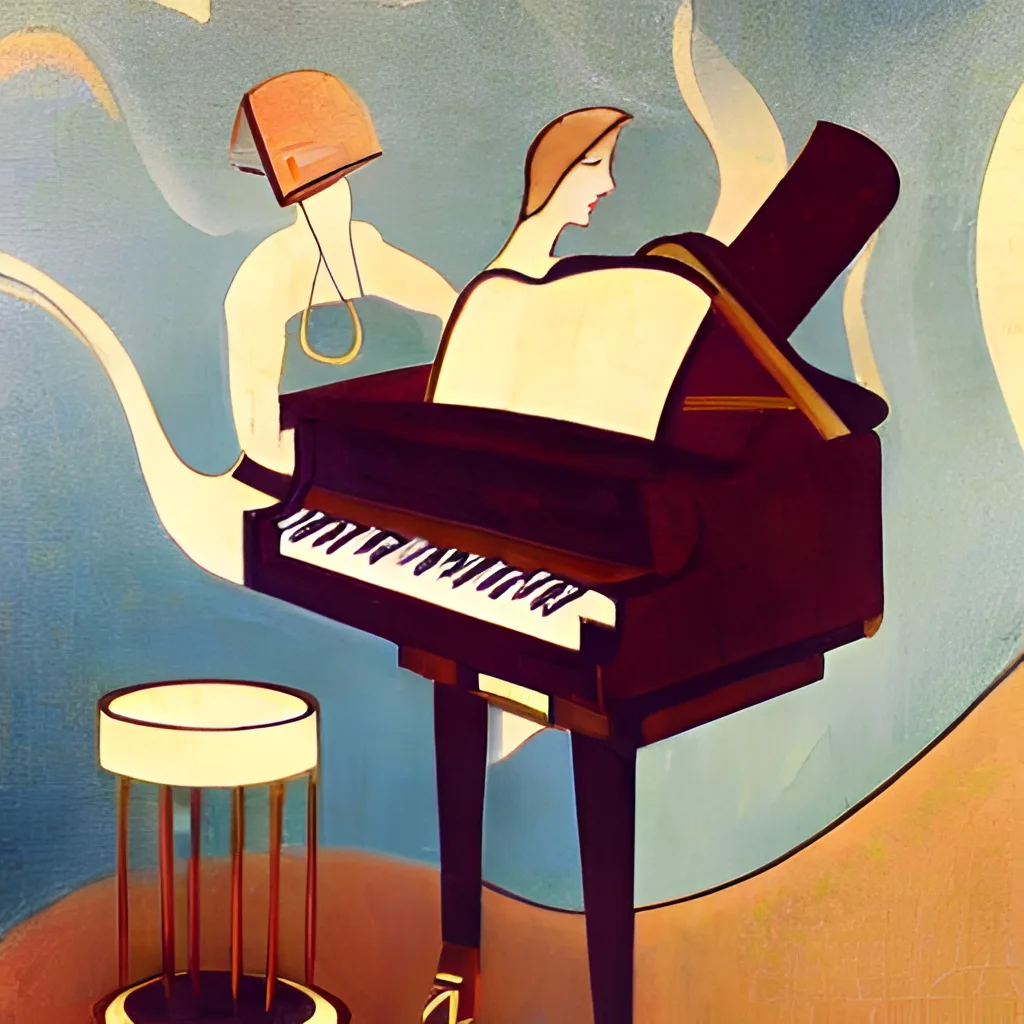
An intermezzo, in piano music, is often a short character piece: a lyrical, thoughtful, or lightly moving work that can stand on its own, even if the name originally suggested something "in between" larger acts or movements. On a recital, an intermezzo can be a complete small world. In practice, it asks for a clear mood, a modest form, and a finish that does not overgrow the piece.

The name and the listening habit
Historically, an intermezzo could be an interval between larger parts of a stage work. In later piano writing, the title often simply names a short piece with a distinct character. When you listen, ask what that character is in a short phrase: song-like, walking, reserved, or lightly playful. Then notice whether the piece stays with that character or briefly contrasts and returns.
Write that character in one sentence at the top of the score. A vague hope of "being expressive" is harder to practise than a named mood.
Form that is small and complete
Many piano intermezzos use a simple sectional shape: a first idea, a middle with a different texture or key, and a return, sometimes shortened. Because the piece is short, a blurred return is very obvious. Learn the opening and the close early, so the middle has a place to come back to.
A middle section can be more mobile or more inward than the opening, but it should not sound like a new, larger piece. If you always start practice in the middle, because it is harder, also end a session with the opening and the return, so the whole arc remains in the ear.
You've read 30% of this article
Log in for free to read the remaining 70%
- Free to use
- No credit card needed
Plus, try Premium free for 7 days in the TIGA ALPHA app.
Continue with Google Sign up free Already a member? Log inSound and pacing
An intermezzo often lives in a mid-dynamic world, with a singing line and a soft accompaniment. That does not forbid a sudden warmth or a brief outburst, if the page asks for one. It does suggest that a constant loudness will flatten the character. Pedal should keep the harmony clear; a haze that never lifts can make a short piece feel longer and less distinct than it is.
Tempo should let the line speak in complete phrases. A rushed intermezzo can sound like a leftover between two louder works, which is the opposite of giving the piece its own space.
After the character sentence and the form are clear, a short session in TIGA ALPHA can review one section at a modest tempo. The mood of the piece should already be named in the score, so repetition has a purpose.
Placing an intermezzo in a programme
If you play an intermezzo beside a larger work, leave a real silence before and after, so the small piece is not swallowed. In a group of short character pieces, vary mood and key where you can, and keep the intermezzo’s own close intact — do not rush the last bars in order to start the next title. The "in between" history of the name is not a reason to treat the music as filler.
A short working plan
A plan that includes the close
- Write one sentence for the character of the piece.
- Mark the opening, the middle and the return.
- Practise opening and close as a pair, then the middle in proportion.
- Keep the accompaniment quieter than the line, with clear pedal changes.
- Play a complete run at a tempo that lets phrases finish.
FAQ
Q: Is an intermezzo always slow?
A: No. Many are lyrical and moderate. Some move more quickly. The title names a character piece, not a single tempo.
Q: Should I treat it as a short improvisation?
A: No. Follow the written form and detail. The character can feel intimate without becoming unplanned.
Q: What if the middle section feels like the "real" piece?
A: It may be the more intense part, but the opening and return still frame it. Practise the frame as carefully as the middle.
Q: How much pedal is typical?
A: Enough to join the harmony, not so much that the character turns into a blur. Change the pedal when the harmony changes.
Q: Can a very short intermezzo stand alone in a recital?
A: Yes, if it is played as a complete piece, with silence around it. It can also sit in a small group of character pieces.
Get started with TIGA ALPHA
TIGA ALPHA is an AI piano teaching app built by a Thai team, with lessons in 10 languages: Thai, English, Mandarin, Arabic, Japanese, Russian, Spanish, French, Hindi and Korean. Its CEO, Teacher Aum, has 20 years of experience in piano teaching, and that music teaching background shapes every lesson, while piano teaching with AI gives you feedback each time you play piano. Use it as an online piano lessons app for short daily sessions, follow it as a complete AI online piano course, or combine it with a piano course or piano learning course led by a teacher. Whether you want to learn piano from zero, learn piano online after a long break, learn music alongside your children or simply play music for fun, this online piano teaching application keeps your next step clear. New users get a 7-day free Premium trial, then US$24.99/month. Open the piano teaching app below and pick a first lesson that fits your week.
- Download and start: TIGA ALPHA landing page
- In-person lessons in Thailand: TIGA Studio
- About the company: tigaalpha.com
Treat an intermezzo as a complete character piece with a clear mood and a modest form, and it will feel like a considered interval rather than a throwaway page.