Kalimba and Mbira: Thumb Pianos for Keyboard Players
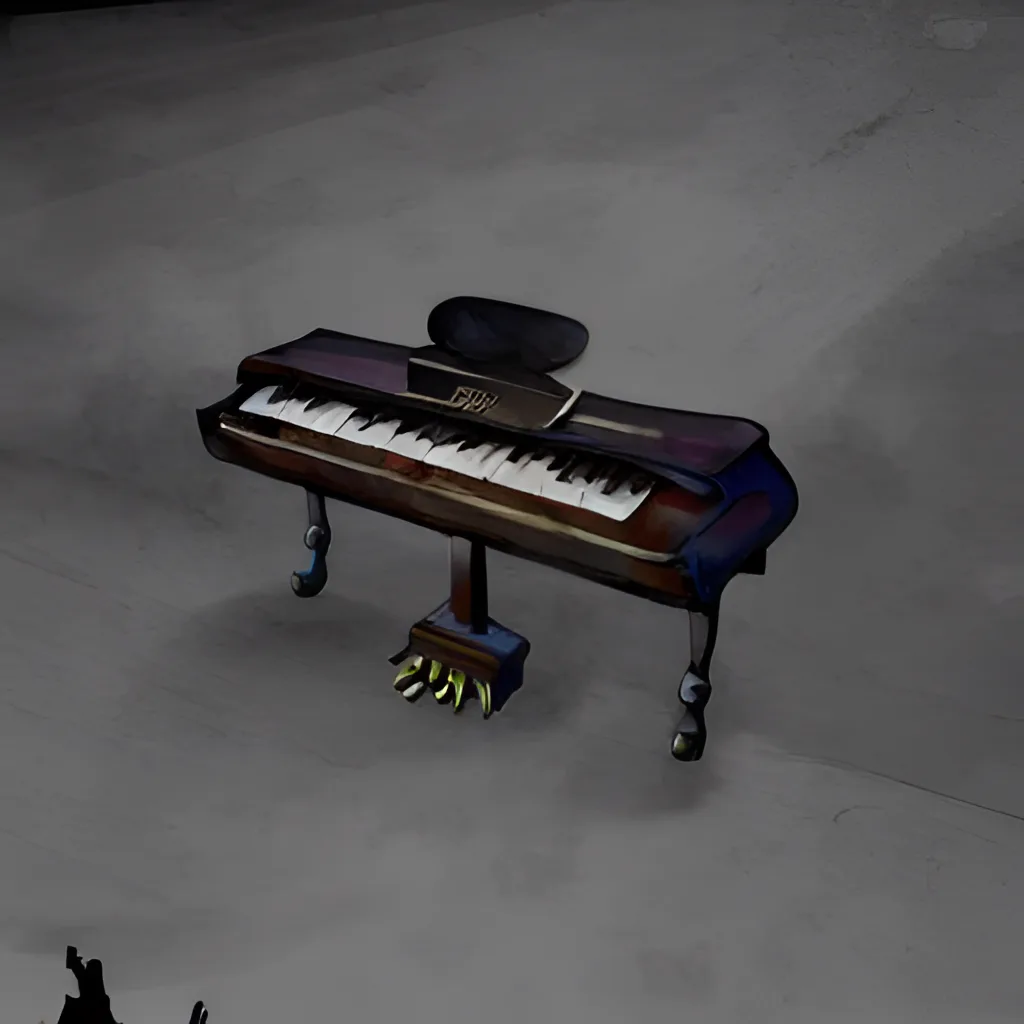
A kalimba or mbira is a lamellophone, often called a thumb piano: a set of thin metal tines fixed over a bridge on a wooden board or box, plucked with the thumbs and sometimes a finger. Each tine sounds one pitch, set by its vibrating length. The mbira has deep roots in Southern African music, where it is played in long, interlocking cycles, while the modern kalimba is a simplified, widely available form of the same idea. For a keyboard player, it is a small instrument with surprisingly big lessons about layout, pattern and listening.
What makes a lamellophone sound
When a thumb pushes a tine down and lets it go, the tine vibrates above and below the bridge. A longer free length gives a lower pitch; a shorter one gives a higher pitch. Players tune by sliding a tine slightly in or out.
The body
A flat board instrument sounds quieter and more intimate. A hollow box or a gourd resonator makes the tone fuller and louder.
The buzz
Traditional mbira often carry small rattling attachments, such as shells or metal pieces, that add a soft buzzing halo to every note. To many listeners this buzz is part of the music, not a fault.
- Tines ring for a long time, so the instrument has a natural sustain.
- Each note starts with a soft click from the thumb, then blooms.
- Overlapping notes blur gently into a cloud of harmony.
The zig-zag layout explained
The most surprising thing for a pianist is the order of the notes. On a typical modern kalimba, the lowest tine sits in the middle, and the notes alternate outwards: one step to the left, the next step to the right, and so on. Moving up the scale means zig-zagging between the thumbs.
That layout has a clear logic. Notes that sound well together, such as a chord built in thirds, often sit side by side, so one thumb can sweep two neighbouring tines and produce a pleasant interval. Scales are split between the hands, so both thumbs share the work evenly.
You've read 31% of this article
Log in for free to read the remaining 69%
- Free to use
- No credit card needed
Plus, try Premium free for 7 days in the TIGA ALPHA app.
Continue with Google Sign up free Already a member? Log inOn the piano, by contrast, pitch rises in one straight line from left to right. Trying both layouts makes it clear that a keyboard design is a choice, not a law of nature.

Interlocking parts in mbira music
In many mbira traditions, music is built from short repeating cycles. Two parts often interlock: one player plays a basic pattern while another fills the spaces between its notes, so together they create a melody that neither plays alone. Listeners can hear different inner tunes appear depending on which notes their attention follows.
This is close to ideas pianists meet in other settings:
- The left and right hands of a piano part sharing one line between them.
- Ostinato patterns that stay the same while the music around them changes.
- Duets in which two players divide a texture so that it sounds richer together.
Listening to recordings of interlocking mbira music with this in mind is a useful ear exercise. Try to follow one strand for a full cycle, then switch to another.
What a pianist can practise on a kalimba
A small kalimba is affordable and quiet enough for travel, and it can support skills that carry back to the keyboard.
Thumb independence
Alternating thumbs builds a feel for evenness between hands, similar to balancing a melody against an accompaniment.
Playing by ear
Because the layout is unfamiliar, the ear has to guide the hands. Picking out a simple folk tune trains pitch memory.
Listening to resonance
Letting tines ring makes the player notice how notes overlap, which is useful when learning to judge the sustain pedal on piano.
From thumb piano to digital tools
The thumb piano also shows how musical interfaces evolve. Instrument makers have built electric versions with pickups, and some digital controllers borrow the idea of a non-linear layout so that harmony falls under the fingers.
Learning technology follows a similar path of rethinking the interface. An AI piano teaching app such as TIGA ALPHA listens to a learner on a standard keyboard and responds with feedback, so the instrument stays familiar while the way of practising changes. Whatever the tool, the musical goals remain the same: steady time, clear melody and attentive listening.
FAQ
Q: Is a kalimba the same as an mbira?
A: They belong to the same family. The mbira is a traditional instrument with its own repertoire and tunings, while the kalimba is a modern simplified design found in many music shops.
Q: Is notation reading required before picking up a kalimba?
A: No. Many players learn by ear or from simple number and letter charts, though reading notation helps if you want to share music with pianists.
Q: Can I play piano pieces on a kalimba?
A: Simple melodies and some easy accompaniments work well. Pieces with fast chromatic notes or wide ranges usually need rearranging.
Q: Why does my kalimba buzz on one note?
A: A tine may be touching something or sitting unevenly on the bridge. Checking its position and pressing it gently into place usually helps.
Get started with TIGA ALPHA
TIGA ALPHA is an AI piano teaching app built by a Thai team, with lessons in 10 languages: Thai, English, Mandarin, Arabic, Japanese, Russian, Spanish, French, Hindi and Korean. Its CEO, Teacher Aum, has 20 years of experience in piano teaching, and that music teaching background shapes every lesson, while piano teaching with AI gives you feedback each time you play piano. Use it as an online piano lessons app for short daily sessions, follow it as a complete AI online piano course, or combine it with a piano course or piano learning course led by a teacher. Whether you want to learn piano from zero, learn piano online after a long break, learn music alongside your children or simply play music for fun, this online piano teaching application keeps your next step clear. New users get a 7-day free Premium trial, then US$24.99/month. Open the piano teaching app below and pick a first lesson that fits your week.
- Download and start: TIGA ALPHA landing page
- In-person lessons in Thailand: TIGA Studio
- About the company: tigaalpha.com
A handful of metal tines can open a pianist's ears to new layouts, new patterns and a gentler way of hearing a tune.