Left Hand Can't Keep Up? Four Symptoms and a 7-Day Plan
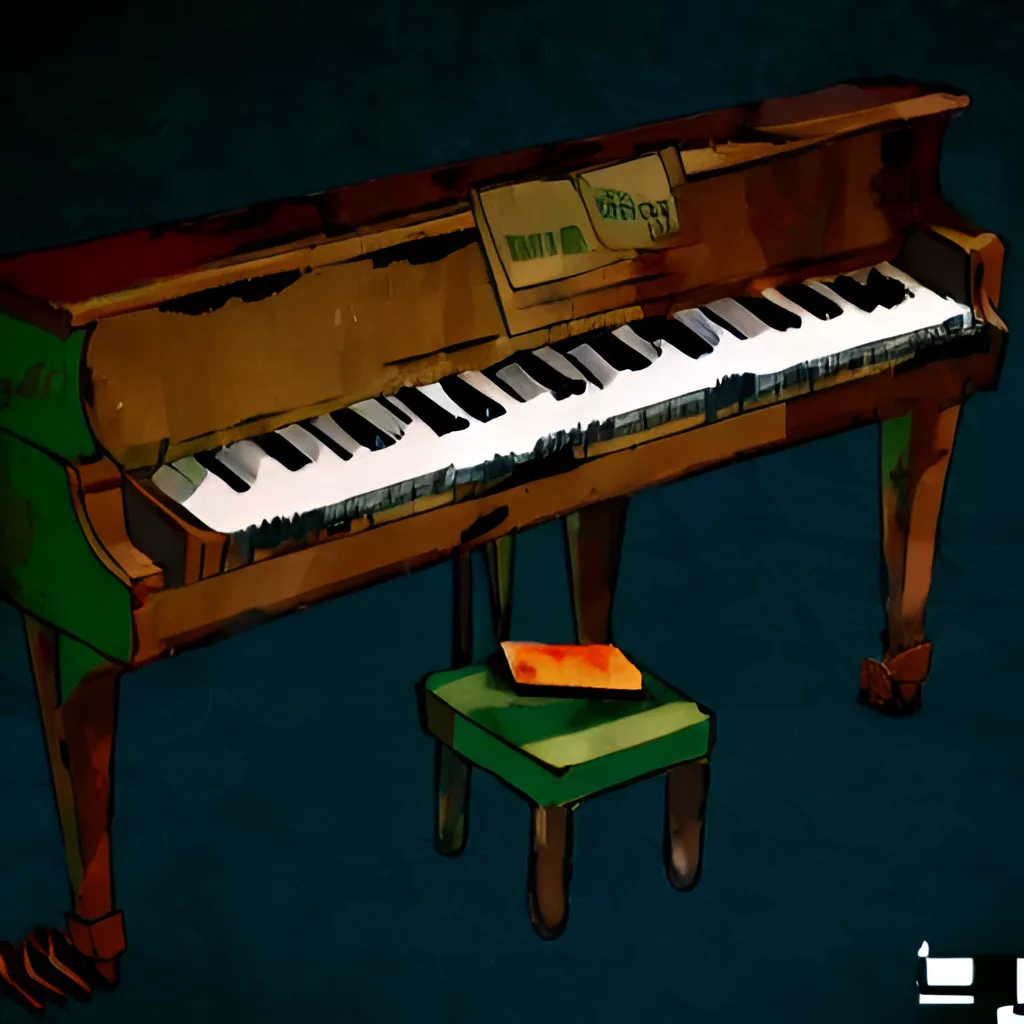
One effective way to fix a left hand that always lags behind the right is to give it its own "private lesson": practise the left-hand part slowly until it is secure, then put the hands together with the left hand leading and the right hand in a supporting role. For most people the problem is not that the left hand is less capable, but that it has never really been listened to. Below, in the order of symptom, cause and practice method, you can find out what is really holding your left hand back.
The Short Answer
- Left-hand problems usually fall into four types: uneven rhythm, slow jumps, too heavy a sound, and being dragged along by the right hand
- Each type has its own practice method, and you do not have to change everything at once
- Before hands together, the left hand should be able to play the whole passage without looking at the keys
- When you combine the hands, let the left hand "lead" first, with the right hand playing only the skeleton notes
- Use a practice log to track which type of problem you solved this week
Four Common Symptoms: Find Yours
Symptom one: the accompaniment pattern speeds up and slows down
For example, in a broken-chord accompaniment, the first two notes are rushed and the last two drag. The cause is often that the wrist is not turning along with the hand, and the fingers alone are reaching for the notes.
How to practise: First press each accompaniment pattern down as a block chord to confirm the overall position of the hand, then break it back into the broken form. At a slow tempo, make sure every note has the same length.
Symptom two: the jump to the bass always arrives late
When the left hand jumps from a bass note to a chord in the middle register, it often doesn't make it in time. The reason is that the eyes are fixed on the right hand and the left hand "jumps blind".
How to practise: Practise only this one movement, the jump. First jump ten times while looking at the keyboard, then five times with your eyes closed, so that your arm remembers the distance. Start moving half a beat early, rather than waiting for the previous note to end before setting off.
Symptom three: the left hand is louder than the melody
The left hand sits low and has many notes, so it easily drowns out the right-hand melody.
You've read 28% of this article
Log in for free to read the remaining 72%
- Free to use
- No credit card needed
Plus, try Premium free for 7 days in the TIGA ALPHA app.
Continue with Google Sign up free Already a member? Log inHow to practise: When you play the left hand alone, use one dynamic level softer than usual. When you play hands together, imagine the left hand as a "carpet" with the right-hand melody walking on top of it. Record a take and listen back to judge whether the melody is clear.
Symptom four: the left hand falls apart as soon as the hands play together
Each hand is fine alone, but together it sounds like two people arguing. This usually means the left hand has not yet become automatic.
How to practise: First have the left hand play the whole passage, with the right hand pressing just one note on the strong beat of each bar. When that state is stable, gradually add the right-hand notes back.
A Seven-Day Left-Hand Plan
- Day 1: Find the four hardest left-hand bars in the whole piece
- Day 2: Practise the position with block chords
- Day 3: Break back into the original pattern, slow and even
- Day 4: Practise only the jumps, one round looking and one round not looking
- Day 5: Whole left hand plus the right-hand strong-beat notes
- Day 6: Hands together at a normal pattern, slowly
- Day 7: Record and listen back, and note just one thing to improve
This plan can be used in any piano course, at any level. Its core idea is very common in music teaching: solve one problem at a time.
Three Transition Steps Toward Hands Together
Between one hand and two hands, it is a good idea to leave a few "buffer steps", so that you do not leap straight to playing the piece as written.
Step one: whole left hand, right hand only on strong beats
The right hand presses just one note on the strong beat of each bar, so that your attention stays mainly on the left hand while you begin to feel where the two hands meet.
Step two: whole left hand, right hand plays the melodic skeleton
The right hand plays only the main note of each beat, leaving out ornaments and passing notes. Now you can check on which beats the two hands line up.
Step three: both hands as written, slowly
Only at the end do you add all the right-hand notes back. Keep the tempo slow, and if the left hand starts to fall apart again, go back to the previous step rather than forcing it.
Planning Your Left-Hand Work with TIGA ALPHA
TIGA ALPHA is an AI piano teaching app built by a team in Thailand. The team's CEO is Teacher Aum, who has 20 years of experience teaching piano, and the app offers lessons in several languages. In this online piano teaching app, you can organise it like this:
- Pathway learning path: Write "seven days of left-hand work" as a checklist and tick off each day you complete
- Play Along: Keep only the bass part, so the left hand can first line up with the accompaniment
- Daily Mentor: After practising, answer one question, for example "Which symptom eased today?"
This is one concrete scene of teaching piano with AI: the AI does not play for you, but helps you break practice into small pieces and keep a clear record. For people learning piano online, this kind of structure cuts down the inefficiency of "repeating the whole piece every day".
Frequently Asked Questions
Q: How long should I practise the left hand alone each day?
A: Not very long. Ten minutes of focused left-hand practice often gains you more than half an hour of aimlessly playing the whole piece. You can adjust the length to how you feel.
Q: I'm right-handed. Is my left hand naturally weak?
A: The agility of the two hands can gradually be brought closer through practice. Rather than saying the left hand is weak, it is better to say it has been practised less. Just make left-hand practice on its own a regular part of your routine.
Q: My child keeps ignoring the left hand when learning piano. What can a parent do?
A: You can ask your child to play the left hand alone for you, and let your child say which bar is hardest. Parents do not need to know music theory, only to watch whether the child is willing to take the left hand out and practise it separately.
Q: When should left-hand practice go in a piano lesson?
A: We suggest after the warm-up and before learning a new piece. Attention is still fairly focused then, which suits working on details.
Q: Can an online piano teaching app hear left-hand problems?
A: The app can offer play-along, records and prompts to help you practise in a more organised way; for judging how it actually sounds, we still suggest listening back to your own recordings or asking a teacher.
Turning the Left Hand from a "Supporting Role" into Your "Backbone"
Once the left hand becomes steady, you will find that the whole feeling of playing the piano is different: the melody is freer, and you feel more secure when you play music. Learning music is a long journey, and left-hand work is a stretch well worth investing in.
To practise the left hand systematically, start with TIGA ALPHA.
TIGA ALPHA is an AI piano teaching app built by a team in Thailand. The app is available in 10 languages: Thai, English, Chinese, Arabic, Japanese, Russian, Spanish, French, Hindi and Korean. Its CEO, Teacher Aum, has 20 years of experience teaching piano, and that teaching background shapes every lesson. When you play, the app listens and tells you which notes or beats to practise next, so the feedback is specific rather than generic. Use it as an online piano lessons app for short daily sessions, follow it as a complete online piano course, or combine it with lessons from a teacher. Whether you are starting from scratch, coming back after a long break, learning music alongside your children or simply playing for fun, your next step stays clear. New users get a 7-day free Premium trial, then US$24.99 per month.
- Download and start: TIGA ALPHA
- In-person lessons in Thailand: TIGA Studio
- About the company: tigaalpha.com