Perform It at Home First: How to Practise with Mock Performances
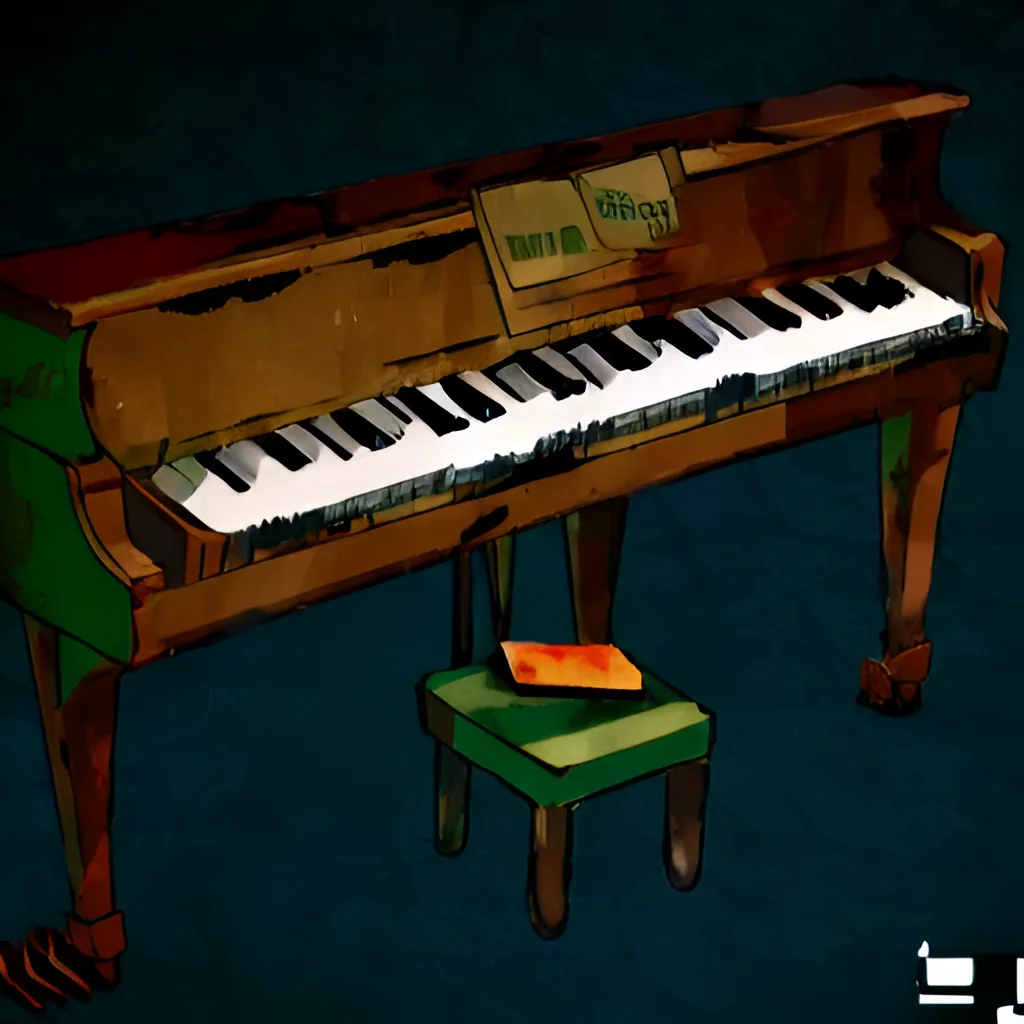
Before a real performance, exam or student concert, doing a few mock performances at home is a very practical way to prepare. The rules are simple: play from beginning to end, without stopping and without starting over, as if there really were an audience listening. You can ask family members to sit down as your audience, or record yourself on your phone. Afterwards, look back and see which places need strengthening. This kind of practice lets you get used to the feeling of performing in advance, and it also reveals problems you did not notice when practising in sections.
The Rules of a Mock Performance
In a mock performance, treat it like a real one, starting from walking up to the piano, sitting down and adjusting the stool.
Order of practice
Then play from the first note to the last, and whatever happens along the way, do not stop and do not start over.
When you finish, stand up and bow as you would on stage, and then end the mock performance.
Review Afterwards
During a mock performance, do not judge yourself as you play. Just concentrate on playing the music through.
When it is over, listen to the recording or think back over your playing, and note what went well and what needs strengthening.
Those places that need strengthening are the focus of your section practice over the next few days.
Practising Carrying On After a Mistake
A mock performance is also a good chance to practise "carrying on after a mistake". If you play a wrong note, act as if it never happened and keep going.
You can decide in advance on a few "re-entry points", such as the beginning of each phrase. If you get stuck, skip ahead to the next re-entry point and carry on.
After practising this several times, you will be calmer in handling the unexpected when you perform.
Ask Family to Be the Audience
When people are listening, you feel differently from when you practise alone. You may feel nervous, or you may become more absorbed.
You've read 29% of this article
Log in for free to read the remaining 71%
- Free to use
- No credit card needed
Plus, try Premium free for 7 days in the TIGA ALPHA app.
Continue with Google Sign up free Already a member? Log inYou can ask family or friends to sit down and listen. Even one or two people can create the atmosphere of a performance.
After you finish, you can ask them to say what they heard and which parts they liked.
The Difference Between Everyday Practice and Performance
In everyday practice, we often stop where we make a mistake and replay it several times until we get it right.
But in a performance, there is no chance to start again, and you have to keep playing even after a mistake.
If you have never practised playing a whole piece without stopping, a small mistake in performance can make you panic, and you may not know how to go on.
Do It at Different Times
You can do mock performances at different times of day, such as right after getting up in the morning, after dinner, or just after finishing something else.
The time of the real performance is not necessarily when you are at your best, and practising in different states makes you more adaptable.
You can also try starting with no warm-up, to simulate a situation where there is little time to prepare before the performance.
Scheduling the Mock Performances
You do not need to do mock performances every day. You can start two or three weeks before the performance and schedule a few each week.
For the rest of the time, section practice is still the main work, and the mock performances are used to check the overall effect.
In the last day or two before the performance, you can do one or two relaxed run-throughs to keep your confidence up, without tiring yourself out.

Mock Performances for Children
For children, you can turn a mock performance into a small family concert, letting the child introduce the piece before playing it.
The family can applaud the child and say what they liked.
This relaxed atmosphere helps children build up stage experience, and it also adds to the fun of learning the piano.
Try It on Different Pianos
If you have the chance, do a mock performance on a piano at someone else's home, at school or in a practice room.
Different pianos differ in the weight of the keys, the loudness of the sound and the feel of the pedals.
Getting used to an unfamiliar piano in advance means fewer surprises when you perform.
Looking After Your Feelings
If one mock performance does not go well, do not blame yourself too much. That is exactly the point of a mock performance.
Every mock performance is a chance to learn, letting you find and solve problems before the real performance.
Go about it in a relaxed frame of mind, and you will gradually come to enjoy the process of performing more.
Record It on Your Phone
If there is nobody to be your audience, you can record audio or video on your phone and treat the phone as your audience.
Knowing that you are being recorded also gives you a little of the feeling of performing.
The recording can be played back again and again, so you can listen to your own playing calmly, like an outsider.
Listen up
- A mock performance is played from beginning to end
- No stopping and no starting over along the way
- You can ask family to be the audience, or record yourself
- After playing, find the places that need strengthening
Frequently Asked Questions
Q: What is a mock performance?
A: Playing from beginning to end without stopping, just like a real performance.
Q: Should I start over if I make a mistake?
A: No. Keep playing.
Q: What if there is no audience?
A: You can record audio or video on your phone.
Q: When should I start?
A: Two or three weeks before the performance, a few times a week.
Q: What should I do after playing?
A: Review the performance and find the places that need strengthening.
Q: Can children do it?
A: Yes, it can become a small family concert.
Start Practising with TIGA ALPHA
TIGA ALPHA is an AI piano teaching app built by a team in Thailand. The app is available in 10 languages: Thai, English, Chinese, Arabic, Japanese, Russian, Spanish, French, Hindi and Korean. Its CEO, Teacher Aum, has 20 years of experience teaching piano, and that teaching background shapes every lesson. When you play, the app listens and tells you which notes or beats to practise next, so the feedback is specific rather than generic. Use it as an online piano lessons app for short daily sessions, follow it as a complete online piano course, or combine it with lessons from a teacher. Whether you are starting from scratch, coming back after a long break, learning music alongside your children or simply playing for fun, your next step stays clear. New users get a 7-day free Premium trial, then US$24.99 per month.
- Download and start: TIGA ALPHA
- In-person lessons in Thailand: TIGA Studio
- About the company: tigaalpha.com