Setting Up a Piano Corner at Home: Position, Lighting and Storage
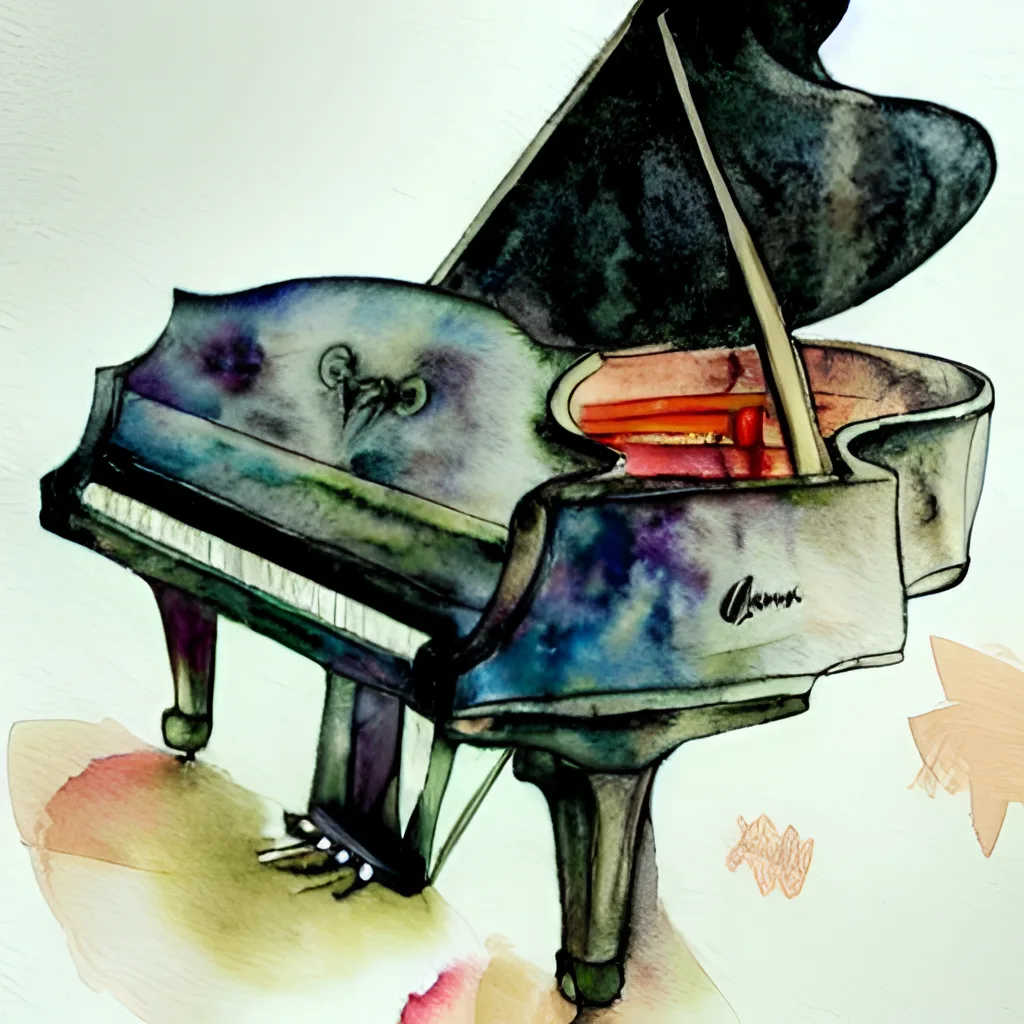
When setting up a piano corner at home, start by thinking about three things: where the piano goes, where the light comes from, and where the music and supplies are kept. The position should be away from direct sun and damp, the lighting should light up the score without glare, and storage should keep the things you use often within easy reach. When the piano corner is set up conveniently, the barrier to sitting down and practising becomes much lower.
Keep a Clear Path
The walk from the room door to the piano bench should have no obstacles to get around. If every practice begins with moving a chair or shifting a box, your willingness to start wears away little by little.
Practice order
Leave enough space around the bench too, so you can sit down and stand up easily and adjust your distance forwards and back.
Keep the area near the pedals clear, run cables along the wall, and avoid anything underfoot that could trip you.
First, Choose a Good Position
An acoustic piano is sensitive to temperature and humidity. If it stands by a window in direct sun, or directly in front of an air conditioner vent, the wood and strings are easily affected. Placing it against a damp outside wall can also let moisture get into the piano.
An ideal spot is against an interior wall, some distance from windows and vents, with air circulating around it. A digital piano is less demanding about its surroundings, but should still avoid direct sun and water.
Also consider your family's daily habits. In the living room, the whole family can hear it; in a bedroom or study it is quieter. You can decide according to when you practise and the family's routine.
If there is no ideal spot for now, you can put it somewhere workable first, then watch how the piano holds up and how you use it, and adjust gradually.
Keep the Piano Corner Inviting
When the piano corner is tidy and bright, people naturally want to sit down there. You can put a photo you like or a small plant that does not need frequent watering beside the piano, but do not put a flowerpot on top of it.
You've read 32% of this article
Log in for free to read the remaining 68%
- Free to use
- No credit card needed
Plus, try Premium free for 7 days in the TIGA ALPHA app.
Continue with Google Sign up free Already a member? Log inTidy up regularly, put away music you have finished with, and wipe off the dust.
If a child is learning, let them help set it up, for example by choosing the colour of the lamp or displaying their certificates. When a child feels attached to the corner, they will also feel they belong there when practising.
A piano corner does not need to be large. A small space that is clean, bright and has a place for everything is enough to make people want to sit there for a while every day.
Let the Light Fall on the Score
Reading music needs plentiful, even light. During the day you can use natural light, but take care that the sun does not shine directly on the score, because strong glare tires the eyes quickly.
For evening practice you need a lamp that lights the music stand. Light that comes from above and to one side, without casting the shadow of your hand or head on the score, works well.
Do not leave the rest of the room too dark either. If only the music stand is bright and everything around it is dark, your eyes must keep adjusting to light and dark as you look from score to keys and back, which is uncomfortable.
Small Arrangements to Reduce Distraction
Try not to place the piano corner directly facing the television. With the TV on, both sound and picture pull attention away and also clash with the piano.
Keep your phone a little distance from the piano, and fetch it when you need the metronome or want to record.
If space at home is limited, you can use a rug or a bookshelf to separate the piano corner visually from the other areas, giving it its own "practice atmosphere".
- Keep the piano away from direct sun, air conditioner vents and damp walls
- The score needs steady, even lighting
- Keep the music you use often beside the piano and put the rest in a cabinet
- Keep the path from the door to the bench clear

Storing Music and Supplies
The two or three books you are working on can go on a small shelf beside the piano, or right next to the music stand. Books you have finished can go in a cabinet, arranged by category or difficulty so they are easy to find when you want to review.
Small items such as pencils, erasers and a metronome can live in a fixed little box at the side of the piano. Do not put the box on the piano lid, or it may vibrate off while you play.
Think again
Some piano benches have a storage compartment for music you use often, but do not stuff it too full, because a lid that is hard to open and close is less convenient.
FAQ
Q: Can a piano go next to a window?
A: Yes, but avoid direct sunlight and drafts through gaps in the window, and close the curtains or adjust the position if needed.
Q: How far from the wall should a piano be?
A: Leave a small gap between the back of an acoustic piano and the wall to help ventilation and sound projection; for the exact distance, follow your piano tuner's advice.
Q: Can a digital piano go in a bedroom?
A: Yes. You can practise with headphones on a digital piano, so it is unlikely to disturb the family.
Q: Does a piano corner need a rug?
A: A thin, non-slip rug can reduce echo and protect the floor, but it should not be too thick, or the piano may not stand firmly.
Q: What colour of light should the lamp give?
A: Soft, neutral white light is best for reading music; light that is too yellow or too cool can tire the eyes.
Q: What if the space is too small for a bench?
A: You can choose a narrower bench, or push it under the piano when not in use, but pull it out to a suitable distance when you practise.
Start Practising with TIGA ALPHA
TIGA ALPHA is an AI piano teaching app built by a team in Thailand. The app is available in 10 languages: Thai, English, Chinese, Arabic, Japanese, Russian, Spanish, French, Hindi and Korean. Its CEO, Teacher Aum, has 20 years of experience teaching piano, and that teaching background shapes every lesson. When you play, the app listens and tells you which notes or beats to practise next, so the feedback is specific rather than generic. Use it as an online piano lessons app for short daily sessions, follow it as a complete online piano course, or combine it with lessons from a teacher. Whether you are starting from scratch, coming back after a long break, learning music alongside your children or simply playing for fun, your next step stays clear. New users get a 7-day free Premium trial, then US$24.99 per month.
- Download and start: TIGA ALPHA
- In-person lessons in Thailand: TIGA Studio
- About the company: tigaalpha.com