Piano Hammers and Felt: How Touch Becomes Tone
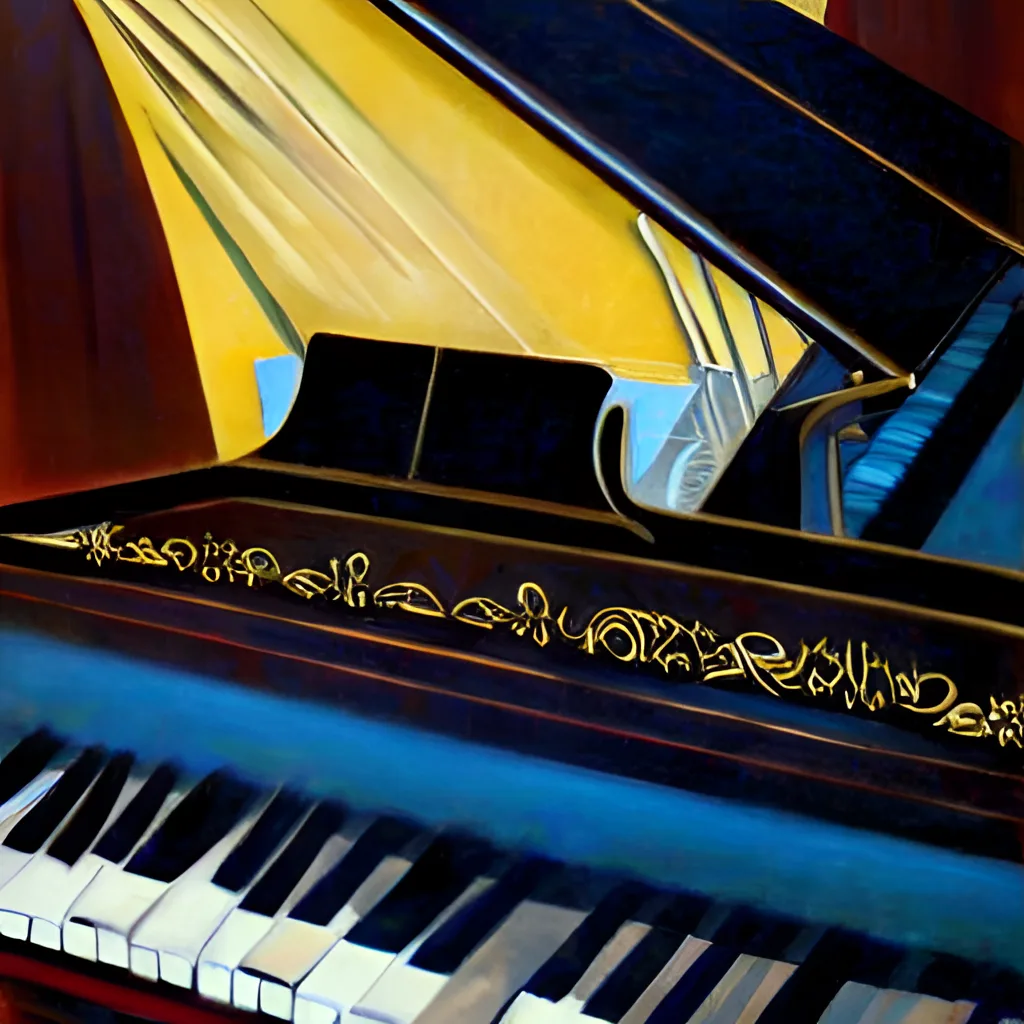
When a pianist presses a key, a small hammer covered in felt flies toward a string, strikes it and falls back. That moment of contact decides much of what the listener hears. The felt on the hammer acts like a cushion and a filter at the same time. How firm or soft it is changes the brightness of the tone, and the way the pianist moves the key changes how fast the hammer arrives.
What the hammer does
The hammer does not stay on the string. It strikes and rebounds so that the string can vibrate freely. If the hammer stayed in contact, it would damp the sound.
The felt shapes the strike
A soft surface touches the string gently and gives a rounder tone. A harder surface makes a sharper contact and emphasises the higher overtones. Between the two lies the typical range of a well-prepared piano.
Speed controls loudness
A faster hammer produces a louder note. The pianist cannot control the hammer after it leaves the mechanism, so the speed at release is what counts.
Why touch changes tone colour
Pianists often speak about colour, even though each note is only a struck string. The reason is that speed and the way the hammer meets the string alter the balance of overtones.
- A quick, firm attack tends to sound brighter.
- A slow, gentle attack tends to sound rounder.
- Layering notes with different weights in a chord changes which voice is heard.
- Sustained notes ring differently depending on how many strings are free to vibrate.
You've read 28% of this article
Log in for free to read the remaining 72%
- Free to use
- No credit card needed
Plus, try Premium free for 7 days in the TIGA ALPHA app.
Continue with Google Sign up free Already a member? Log in
What technicians pay attention to
Instrument technicians work with the hammers as a normal part of care. Over time felt compresses where it strikes the string, and the tone can become brighter or harsher. Technicians can adjust the surface, a process called voicing, to bring the tone back toward the intended character. It is careful work and best left to a trained person.
- Hammers wear with playing, so the sound changes slowly.
- Humidity can affect felt and, with it, the tone.
- Voicing is different from tuning, which concerns pitch.
What a learner can listen for
You can train the ear to notice the link between touch and tone without any technical knowledge.
One note, many speeds
Play a single key several times, from very soft to moderately firm. Listen for how the colour changes as well as the volume.
A chord with one voice highlighted
Play a chord, then repeat it with the top note slightly louder. Hear how the melody seems to appear.
Quiet playing with control
Soft playing needs precise control, not timid pressing. Try a slow, even descent into the key.
Keeping feedback close to the music
Because tone depends on touch, a teacher or a tool that listens can help. TIGA ALPHA is an AI piano teaching app for short, focused sessions: it follows your notes and timing and flags the bars to play again. It does not replace your own ear for colour, but it supports short, focused sessions where you can pay attention to how each phrase sounds. A steady practice habit leaves more time to enjoy the shaping of tone.
Three small questions before you play a phrase
Before you start a phrase, ask what character it has. Is it singing, dancing or speaking quietly? Then ask which finger speed and arm weight would produce that character, and which note in the chord should lead. Finally, listen to the last note of the phrase and let it die away before you move on. These questions take only a few seconds, and they turn a technical fact about hammers and felt into a musical decision.
FAQ
Q: Why does one piano sound brighter than another?
A: Hammers, strings, the room and the technician's voicing all contribute.
Q: Does a digital piano have hammers?
A: Many have a keyboard mechanism that imitates the feel, but the sound comes from samples or models, not felt hitting strings.
Q: Can I change the tone of my piano myself?
A: It is safer to ask a qualified technician, because felt can be damaged.
Q: Does touch really change tone on a piano?
A: It does, through the speed and manner of the strike, although the effect is subtler than on some other instruments.
Get started with TIGA ALPHA
TIGA ALPHA is an AI piano teaching app built by a Thai team, with lessons in 10 languages: Thai, English, Mandarin, Arabic, Japanese, Russian, Spanish, French, Hindi and Korean. Its CEO, Teacher Aum, has 20 years of experience in piano teaching, and that music teaching background shapes every lesson, while piano teaching with AI gives you feedback each time you play piano. Use it as an online piano lessons app for short daily sessions, follow it as a complete AI online piano course, or combine it with a piano course or piano learning course led by a teacher. Whether you want to learn piano from zero, learn piano online after a long break, learn music alongside your children or simply play music for fun, this online piano teaching application keeps your next step clear. New users get a 7-day free Premium trial, then US$24.99/month. Open the piano teaching app below and pick a first lesson that fits your week.
- Download and start: TIGA ALPHA landing page
- In-person lessons in Thailand: TIGA Studio
- About the company: tigaalpha.com
Every note passes through a small piece of felt, which is why touch and tone are so closely linked.