Piano Lid Open or Closed: Differences in Sound and Practice Space
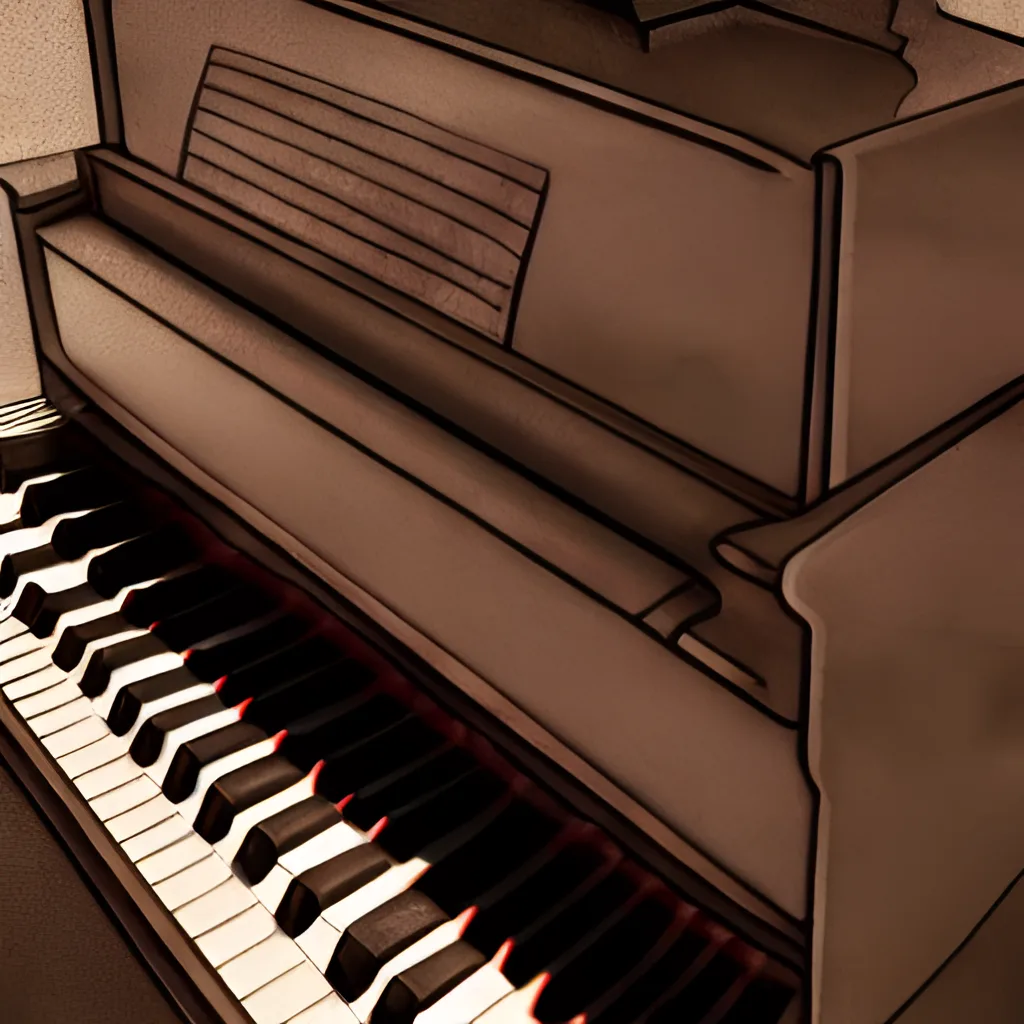
The big lid of a grand piano can be propped open or lowered; the top lid and front panel of an upright can also be opened or closed. The state of the lid affects how loud and bright the sound is: open, the sound is louder and more spacious; closed, it is softer and more focused. When practising at home, you can choose according to the size of the room, the time of day and your neighbours. For example, a small room or an evening session may call for a closed lid, while you can open it when you need to listen carefully to the tone. Be careful when opening and closing the lid: move slowly to avoid trapping your fingers.
Things to note
- The state of the lid affects how loud and bright the sound is
- Open, the sound is louder and more spacious
- Closed, the sound is softer and more focused
- Open and close it slowly to avoid trapping your fingers
The Effect of Room Size
In a small room, the sound of the piano can easily seem very loud, even a little harsh. In that case you can close the lid or prop it open only a little.
Remember this
In a larger room, opening the lid lets the sound fill the space better.
The furniture, rugs and curtains in the room also affect the sound, so take them into account.
Do Not Put Things on the Lid
Do not put water glasses, vases or heavy objects on the lid, in case they fall or liquid spills into the piano.
If you need to put sheet music or ornaments on the piano, make sure they do not get in the way of opening and closing the lid.
Keeping the lid tidy is part of looking after the piano.
Choices While Practising
For everyday technical work, or when you will be practising for a long time, you can close the lid to reduce how harsh the sound is on your ears.
When you need to listen carefully to tone and dynamic levels, or are preparing for a performance, you can open the lid to hear a truer sound.
You can also switch flexibly within one session: close the lid for technical work first, then open it to practise expression.
You've read 30% of this article
Log in for free to read the remaining 70%
- Free to use
- No credit card needed
Plus, try Premium free for 7 days in the TIGA ALPHA app.
Continue with Google Sign up free Already a member? Log inTry Different Settings
Every piano and every room is different, so try the sound with the lid in different states.
Find a setting where you can hear clearly and your ears are comfortable, and use it as your usual practice setup.
You can also ask your teacher or a piano tuner for advice to help you choose a suitable way.
Preparing for Performance
If the lid will be fully open at the performance, you can try playing with the lid open in your practice beforehand.
This lets you get used to the louder sound in advance and adjust your control of dynamics.
When you arrive at the venue, you can also pay attention to the state of the lid and its effect on the sound during the rehearsal.
The Top Lid of an Upright
The top lid of an upright can be opened, and on some pianos the front panel can also be taken off or opened.
With the top lid open, the sound radiates upwards and sounds a little brighter.
With the top lid closed, the sound is softer, which suits practising in a small room or at quiet times.
Using the Fallboard
Besides the big lid and the top lid, the piano also has a fallboard that covers the keys.
When you are not playing, you can close the fallboard to keep dust off the keys.
Open and close it slowly here too. Some fallboards have a soft-close design, but you still need to watch where your fingers are.
Think of Your Neighbours When the Lid Is Open
With the lid open the sound is louder, so when practising at home consider how family members and neighbours feel.
In the morning, in the evening or when the family is resting, you can close the lid or play more softly.
Talking with your family and neighbours about practice times can also reduce unnecessary trouble.
Safety When Opening and Closing the Lid
When opening and closing the lid, move slowly, hold it steadily with both hands and never drop it suddenly.
The big lid of a grand piano is heavy. When propping it up and lowering it, make sure the prop stick is firmly in place, and an adult should do it.
When children are practising, remind them not to pull at the lid, to avoid trapping their fingers.

The Difference in Sound
With the lid open, the vibration of the strings travels into the air more directly, and both the volume and the overtones of the sound are richer.
With the lid closed, part of the sound is blocked, so the volume is lower and the tone becomes rounder and gentler.
Try playing the same passage in both states and notice how the sound changes.
The Lid of a Grand Piano
The big lid of a grand piano can be propped up with a prop stick. There are usually prop sticks of different lengths, so the lid can be raised to different heights.
With the lid fully raised, the sound is reflected towards the audience and sounds loud and spacious. This is the usual state at concerts.
A different angle
When practising at home or in a small room, you can use the shorter prop stick, or lower the lid, so the sound is less intense.
FAQ
Q: What is the difference between an open lid and a closed lid?
A: Open, the sound is louder and more spacious; closed, it is softer and more focused.
Q: Should I open it when practising at home?
A: Choose according to the size of the room, the time of day and your neighbours.
Q: How should I prepare before a performance?
A: Practise beforehand with the lid open.
Q: What about a small room?
A: Close the lid or prop it open only a little.
Q: What should I watch out for when opening and closing the lid?
A: Move slowly, hold it steadily with both hands and avoid trapping your fingers.
Q: Can I put things on the lid?
A: Do not put water glasses, vases or heavy objects on it.
Start Practising with TIGA ALPHA
TIGA ALPHA is an AI piano teaching app built by a team in Thailand. The app is available in 10 languages: Thai, English, Chinese, Arabic, Japanese, Russian, Spanish, French, Hindi and Korean. Its CEO, Teacher Aum, has 20 years of experience teaching piano, and that teaching background shapes every lesson. When you play, the app listens and tells you which notes or beats to practise next, so the feedback is specific rather than generic. Use it as an online piano lessons app for short daily sessions, follow it as a complete online piano course, or combine it with lessons from a teacher. Whether you are starting from scratch, coming back after a long break, learning music alongside your children or simply playing for fun, your next step stays clear. New users get a 7-day free Premium trial, then US$24.99 per month.
- Download and start: TIGA ALPHA
- In-person lessons in Thailand: TIGA Studio
- About the company: tigaalpha.com