Playing in Shared Spaces: Volume, Timing and Courtesy
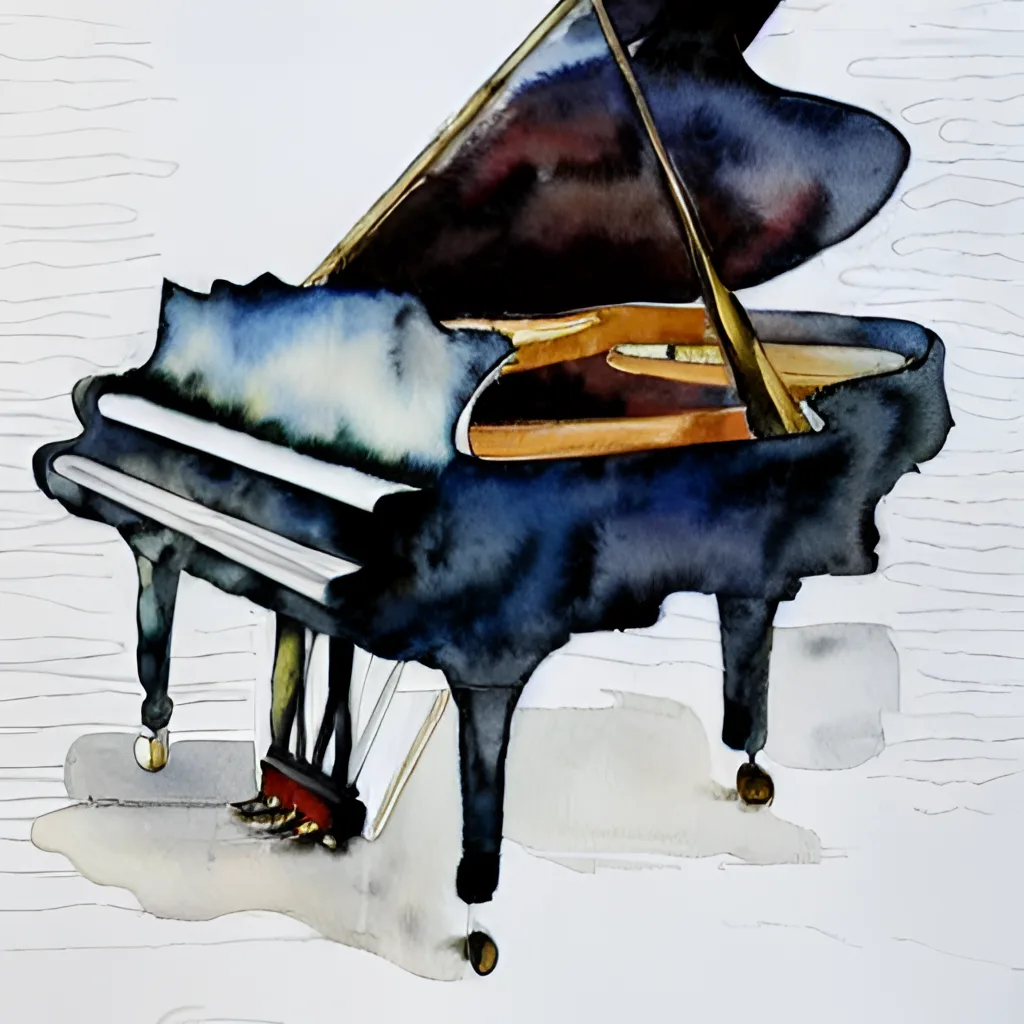
When you play in a community activity room, a school practice room or another shared space, keep an eye on your volume, the time you take and the people around you. Find out the rules of the venue first, choose a suitable time, keep your volume under control, and tidy the piano and its surroundings when you finish. When you look after others, your own practice feels more relaxed too, and everyone can share the piano comfortably.
Controlling Volume and Repertoire
A public space is different from your home, and the sound may carry further than you expect. You can play a few notes softly first, listen to the echo, and then decide on your overall volume.
Another way to look at it
When practising technical passages, hammering the same spot over and over may irritate the people nearby. You can play more softly, or save the repetitive work for home.
In an open space, choosing pieces with a clear melody and a calm mood often makes it easier to get along with the surroundings.
If the venue is very quiet, you can also give priority to practising slow, lyrical sections, and save the passages that need loud practice for home or a soundproofed practice room.
Choosing a Suitable Time
Shared spaces have many users: some are reading, some are in meetings, some are resting. Try to choose times when few people are around or when playing is clearly allowed.
In the morning and at lunchtime, people nearby may need quiet; in the evening and at weekends there is more going on, and the sound of a piano is usually easier to accept.
If it is a shared practice room, you can agree on turns with the other users so that everyone gets a full session.
Learn the Venue Rules First
Different shared spaces work in different ways. Some practice rooms need to be booked in advance, some activity rooms are only open at certain hours, and some places let you play at any time but would rather the sound was not too loud.
You've read 30% of this article
Log in for free to read the remaining 70%
- Free to use
- No credit card needed
Plus, try Premium free for 7 days in the TIGA ALPHA app.
Continue with Google Sign up free Already a member? Log inOn your first visit, you can look at the notice at the door or ask a member of staff. Starting once you know the rules helps you avoid unnecessary misunderstandings.
If the venue has a sign-up sheet, remember to write down your time slot so that others can plan.
Some venues also have rules about whether you may bring food and whether you may record or film, and these details are worth asking about in advance.
Take Good Care of the Piano
A piano in a shared space is used by many people, so it needs even more care. Wash your hands before playing, and do not put drinks or food on the piano.
Do not bang the keys or put heavy objects on the piano. If you notice a problem, such as a key that does not sound or a loose pedal, tell the staff rather than trying to fix it yourself.
Before you leave, close the lid, push the bench back into place, and take your music and belongings with you, so the next person finds a tidy piano.
If you adjusted the height of the bench, you can set it back roughly to where it was before you go, so the next player can sit down and start.
When Someone Is Waiting
If you see someone waiting to use the piano, you can estimate how much longer you need and tell them, or give up your place at the end of a section.
A shared piano suffers most when one person occupies it for a long time. Set yourself a time limit, such as twenty or thirty minutes, and when it is up, finish or ask whether anyone else needs the piano.
Polite communication often makes everyone feel comfortable, and sometimes you meet someone who loves music too.
Summary
- Check the opening hours and rules of the venue first
- Control your volume and repertoire to suit the setting
- Watch how long you play when someone is waiting
- Before leaving, close the lid and tidy the bench and music stand

Treat It as a Small Performance
When you play in a shared space, people will inevitably pass by and stop to listen. You can treat this as a chance to practise playing in front of an audience.
There is no need to get so nervous that you stop just because someone is listening. Simply keep to your own pace.
If someone comes over to chat, you can respond in a friendly way. Sharing music is one of the reasons public pianos exist, but respect your own need to practise too, and do what you are comfortable with.
Every time you play a piece through successfully in a shared space, you build experience of playing for other people, which also helps a great deal when you perform on stage later.
FAQ
Q: Can I practise with headphones in a shared practice room?
A: If it is a digital piano, yes. Headphones will not disturb others and make it easier to concentrate.
Q: What if I get nervous when passers-by watch me?
A: Start with a piece you know well and keep your attention on the music, and you will gradually get used to it.
Q: Can I practise very difficult passages on a public piano?
A: Yes, but watch your volume when repeating them, or save intensive repetition for a more private place.
Q: What should I do if the piano is out of tune?
A: Tell the staff, who can arrange for it to be tuned. Do not adjust it yourself.
Q: What should children keep in mind when playing in a shared space?
A: Parents can agree on the rules with the child beforehand, such as volume, time and looking after the piano.
Q: Do I need to book a public piano?
A: It depends on the venue. Some need a sign-up and some can be used at any time, so it is safest to ask before you go.
Start Practising with TIGA ALPHA
TIGA ALPHA is an AI piano teaching app built by a team in Thailand. The app is available in 10 languages: Thai, English, Chinese, Arabic, Japanese, Russian, Spanish, French, Hindi and Korean. Its CEO, Teacher Aum, has 20 years of experience teaching piano, and that teaching background shapes every lesson. When you play, the app listens and tells you which notes or beats to practise next, so the feedback is specific rather than generic. Use it as an online piano lessons app for short daily sessions, follow it as a complete online piano course, or combine it with lessons from a teacher. Whether you are starting from scratch, coming back after a long break, learning music alongside your children or simply playing for fun, your next step stays clear. New users get a 7-day free Premium trial, then US$24.99 per month.
- Download and start: TIGA ALPHA
- In-person lessons in Thailand: TIGA Studio
- About the company: tigaalpha.com