The Sostenuto Pedal: Holding Selected Notes Only
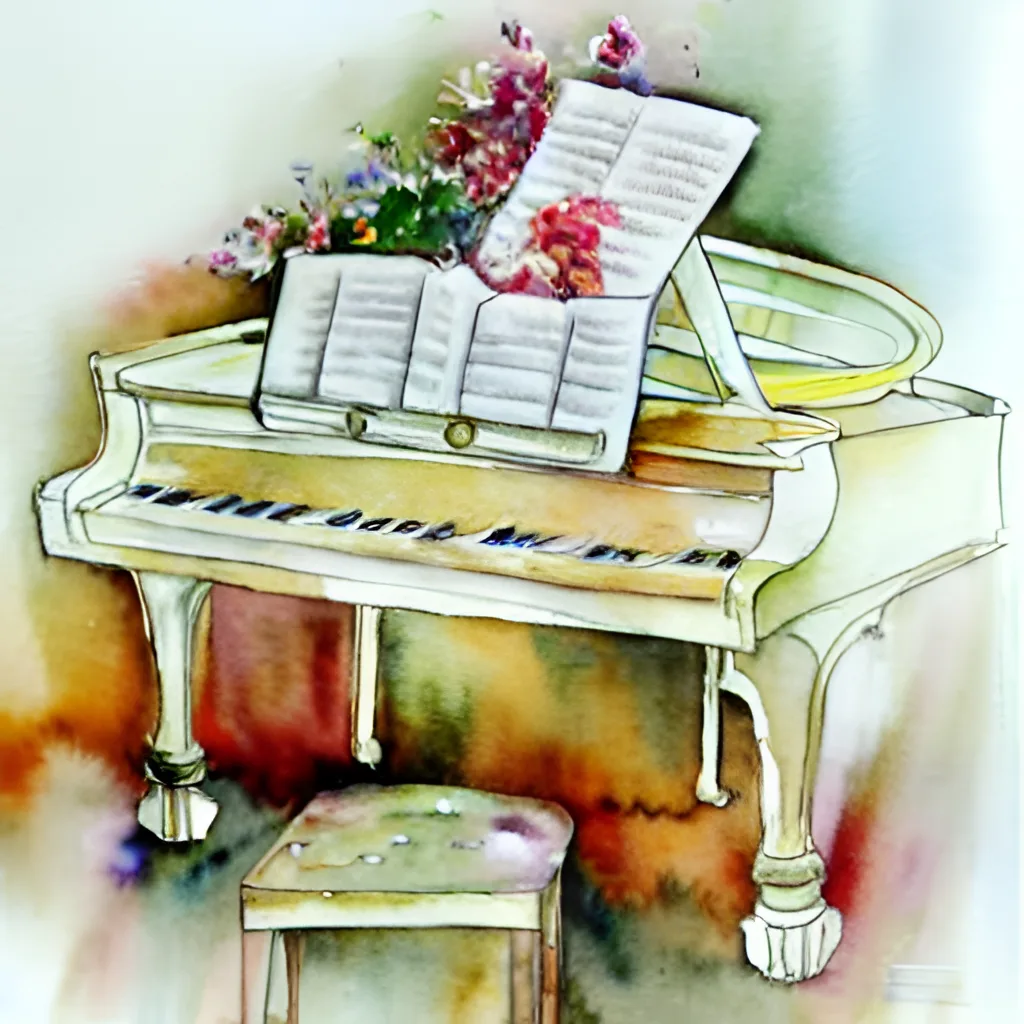
The sostenuto pedal is the middle pedal on many grand pianos, and on some uprights, that sustains only the notes already held down when the pedal is pressed. Later notes are left to behave as usual: they can be played dry, or they can be added to the ordinary sustain pedal if that pedal is also in use. This is different from the right-hand sustain pedal, which lifts all the dampers, and from the left-hand una corda or soft pedal, which changes colour and loudness. Used with care, sostenuto lets a bass note or a chord ring on while both hands continue to play moving figures above or around it.
How the mechanism chooses its notes
On a typical grand piano, each key has a damper that rests on the strings until the key is depressed or the sustain pedal lifts the whole damper set. The sostenuto device adds a way to catch only some of those dampers. The player first depresses the notes that should keep sounding, then presses the sostenuto pedal. A rail or tab engages the dampers that are already raised and holds them off the strings after the fingers have left the keys. Dampers that were still down at that moment remain free, so newly played notes will still be silenced when their keys are released.
Timing matters. If the pedal is pressed too early, it may catch nothing. If it is pressed after the chosen keys have already been let up, the dampers will have fallen and there will be nothing to hold. A short, clear overlap between fingers and pedal is the practical habit.
Upright pianos are less consistent. Some have a genuine sostenuto function. Others use the middle pedal as a practice mute, a bass sustain, or a different studio feature. It is always worth testing the middle pedal of an unfamiliar instrument before a performance or a lesson.
You've read 28% of this article
Log in for free to read the remaining 72%
- Free to use
- No credit card needed
Plus, try Premium free for 7 days in the TIGA ALPHA app.
Continue with Google Sign up free Already a member? Log inHow the three pedals differ in role
A simple comparison keeps the jobs clear:
- The sustain pedal lifts every damper and lets the whole instrument resonate, including sympathetic strings.
- The sostenuto pedal holds only the selected, already-sounding notes, so the texture above can stay articulated.
- The soft pedal changes the way the hammers meet the strings, colouring and often quieting the sound without choosing particular pitches to sustain.
Players sometimes try to fake a sostenuto effect with careful half-pedalling on the sustain pedal. That can work for a blurry halo, but it cannot keep one low note ringing in a completely clean way while the mid-range stays dry.

When selective sustain is musically useful
Sostenuto is not needed in every piece, yet it solves a few recurring problems.
A held bass under a dry texture
A low tonic or a slowly changing pedal point can continue while the right hand plays detached chords or a crisp melody that would become muddy under a full sustain pedal.
A chord left ringing while the hands move
After an opening sonority, both hands may need to leave the keys in order to play a new register. Sostenuto can keep that sonority alive.
Organ-like or orchestral textures on the piano
Some arrangements ask for a sustained layer plus a clearer moving line. Selective sustain can separate those layers without asking the fingers to sit on the original chord forever.
The musical judgement still comes first. If the haze of a full sustain pedal is the point, sostenuto is the wrong tool.
A short practice routine for the middle pedal
- Choose a low octave or a simple triad in the bass, play it, then catch it with sostenuto and take the hands away. Listen to the decay.
- Add a detached mid-range figure and check that the new notes do not linger.
- Repeat the same passage with the sustain pedal instead, and name the difference in blur.
- In a slow piece you already know, mark one or two places where a selected bass note could be held this way, then decide whether the effect is actually clearer.
TIGA ALPHA is an AI piano teaching app that can check whether the printed notes and rhythms of such a passage were played as written. It will not hear the middle pedal as a teacher would, so the colour and the cleanup of the texture remain your listening task, while the app keeps the accuracy of the played pitches in view.
FAQ
Q: Is the middle pedal always a sostenuto pedal?
A: On many grand pianos, yes. On many uprights, the middle pedal may instead be a practice mute or another function, so the same foot gesture will not have the same result.
Q: Can I press sostenuto first and then play the notes I want to hold?
A: The usual design catches notes that are already down. Play the notes first, then add the pedal while those keys are still depressed.
Q: Is sostenuto the same as a bass sustain pedal?
A: No. A bass sustain holds a whole lower region. Sostenuto holds only the specific notes that were down when the pedal was pressed, wherever they sit on the keyboard.
Q: Do I need sostenuto to play standard piano repertoire?
A: Many pieces can be played convincingly without it. It becomes valuable when a composer or an arrangement asks for a sustained layer that the fingers cannot keep, while the rest of the texture must stay clear.
Get started with TIGA ALPHA
TIGA ALPHA is an AI piano teaching app built by a Thai team, with lessons in 10 languages: Thai, English, Mandarin, Arabic, Japanese, Russian, Spanish, French, Hindi and Korean. Its CEO, Teacher Aum, has 20 years of experience in piano teaching, and that music teaching background shapes every lesson, while piano teaching with AI gives you feedback each time you play piano. Use it as an online piano lessons app for short daily sessions, follow it as a complete AI online piano course, or combine it with a piano course or piano learning course led by a teacher. Whether you want to learn piano from zero, learn piano online after a long break, learn music alongside your children or simply play music for fun, this online piano teaching application keeps your next step clear. New users get a 7-day free Premium trial, then US$24.99/month. Open the piano teaching app below and pick a first lesson that fits your week.
- Download and start: TIGA ALPHA landing page
- In-person lessons in Thailand: TIGA Studio
- About the company: tigaalpha.com
A pedal that holds only the notes you have already chosen is a small mechanical idea with a large musical one: sustain can be selective.