Frequency and Pitch: How Sound Waves Become Notes
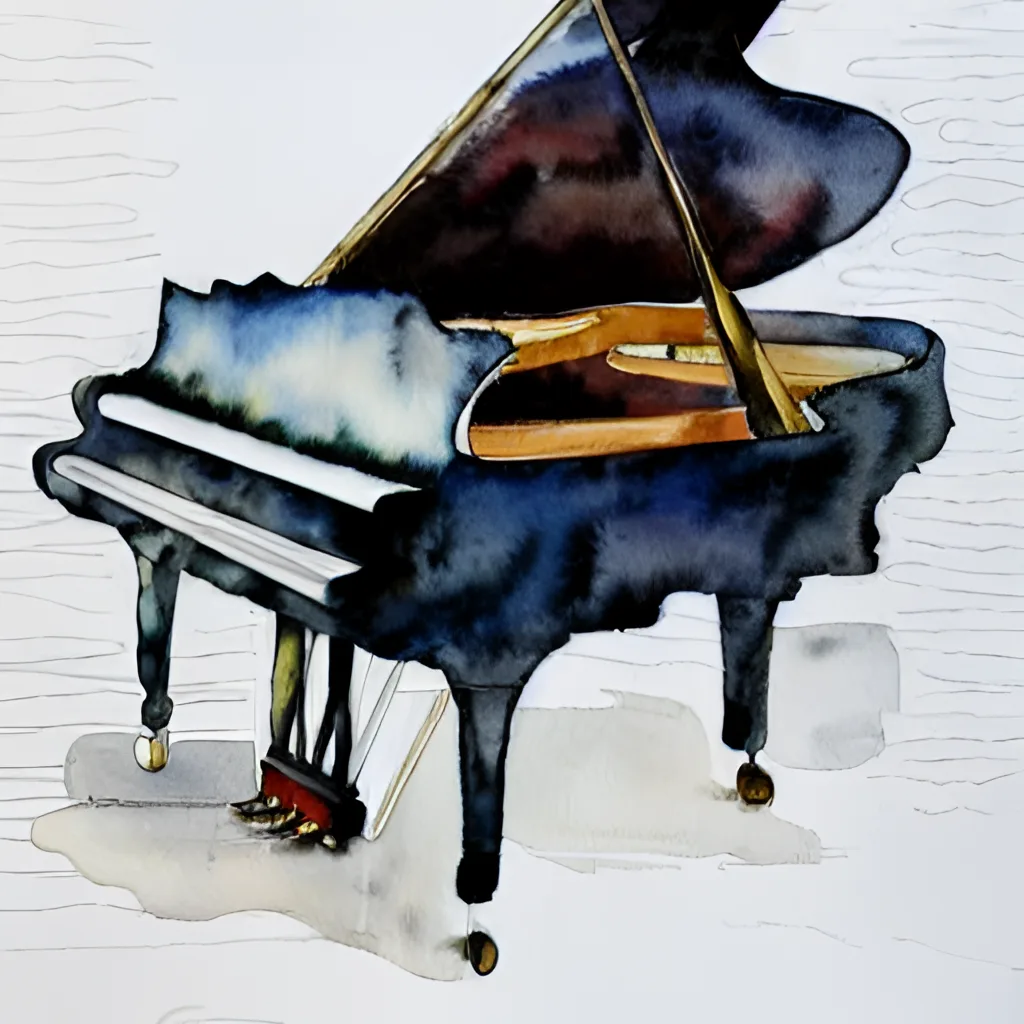
Pitch is how high or low a note sounds, and frequency is the speed of the vibration that creates it, measured in hertz. A faster vibration gives a higher pitch, and a slower one gives a lower pitch. On a piano, each key makes a string vibrate at a particular frequency, so moving to the right sounds higher because those strings vibrate more quickly. Understanding this link makes tuning, scales and even digital instruments easier to follow.
What a sound wave is
When a piano string moves, it pushes the air in tiny waves. Our ears receive these waves and our brain hears a note. One hertz means one complete vibration per second. A note that vibrates twice as fast has twice the frequency, and we hear it as the same note name one octave higher. That simple doubling is the basis of the octave.
Concert pitch
Musicians agree on a reference note so that instruments can play together. A common standard sets the A above middle C at 440 hertz. Other notes are tuned relative to it. Some groups choose slightly different references for historical music, which is why you may see tuning notes on certain recordings. For everyday piano learning, 440 is the number you will meet most often.
Why octaves feel like the same note
Because an octave is a doubling, notes an octave apart blend together so well that they share a letter name. Play a low A and the next A to its right, and you will hear that they match in colour even though one is higher. This is why scales repeat their pattern after seven letter names.
- Each octave doubles the frequency.
- Notes with the same letter in different octaves sound related.
- Piano tuners often check octaves because mismatches are easy to hear.
You've read 31% of this article
Log in for free to read the remaining 69%
- Free to use
- No credit card needed
Plus, try Premium free for 7 days in the TIGA ALPHA app.
Continue with Google Sign up free Already a member? Log inPitch and string length
In a piano, low notes use long, thick strings, and high notes use short, thin ones. Longer or heavier strings vibrate more slowly. This explains the shape of a grand piano, where the bass strings stretch across a long body. You can see the pattern for yourself by lifting the lid of an upright piano, if the owner allows it, and comparing the strings.
Digital pianos and pitch
A digital piano makes its sound with recorded samples or computer models, and still follows the same idea. A tuning setting on some instruments lets you shift the pitch slightly, which is useful if you play along with a recording. When playing with others, check that your reference matches.
Training your ear
You can train pitch awareness without special equipment. Sing a note and match it on the piano. Play two notes and decide which is higher. Try to hum the same note after a day to see how well you remember it. These games take two minutes and strengthen the link between hearing and playing.
Common misunderstandings
Louder does not mean higher, and a faster tempo does not change the pitch. Volume depends on the size of the vibration, while pitch depends on how often it repeats. Keeping the two ideas separate makes lessons on dynamics and tuning less confusing.
Everyday examples of pitch
You hear pitch changes all the time. A kettle seems to rise in pitch as it heats, a siren changes as it passes, and a person's voice goes up at the end of a question. None of these examples need a piano, yet they follow the same rule: faster vibration, higher sound. Listening for these small changes during the day is a gentle way to make your ear more aware, and it costs nothing.
Using this in practice
Three listening games
- Sing a low note, then a high one.
- Slide your finger up the keys and listen.
- Compare the same letter name in two octaves.
When you practise scales, listen to how each note sits higher than the one before. When a note sounds out of tune on an instrument, you are hearing a frequency that does not match the others around it. Naming that difference in words, such as "slightly low" or "slightly high", is already a useful skill that you can bring to singing, to playing with friends and to working with a tuner.
FAQ
Q: Do I need to know the numbers to play piano?
A: No. They are useful background, but your ears and hands do most of the work.
Q: Why is A 440 used as a reference?
A: It is a widely accepted agreement that lets different instruments tune to the same note.
Q: Does a higher note always use a shorter string?
A: In a piano, generally yes, although thickness and tension also play a part.
Q: Can two notes have the same pitch?
A: Yes. Two instruments can play the same pitch and still sound different because of tone colour.
Get started with TIGA ALPHA
TIGA ALPHA is an AI piano teaching app built by a Thai team, with lessons in Thai, English and Mandarin. Its CEO, Teacher Aum, has 20 years of experience in piano teaching, and that music teaching background shapes every lesson, while piano teaching with AI gives you feedback each time you play piano. Use it as an online piano lessons app for short daily sessions, follow it as a complete AI online piano course, or combine it with a piano course or piano learning course led by a teacher. Whether you want to learn piano from zero, learn piano online after a long break, learn music alongside your children or simply play music for fun, this online piano teaching application keeps your next step clear. New users get a 7-day free Premium trial, then US$24.99/month. Open the piano teaching app below and pick a first lesson that fits your week.
- Download and start: TIGA ALPHA landing page
- In-person lessons in Thailand: TIGA Studio
- About the company: tigaalpha.com
Faster vibrations sound higher, slower vibrations sound lower.