The Theremin: Playing Music Without Touching

The theremin is an electronic instrument played without touching it. The player moves their hands in the air near two metal antennas. One antenna controls pitch and the other controls volume. The instrument was invented in the early twentieth century and is known for a smooth, gliding, voice-like tone that sounds a little eerie.
How it makes sound
The theremin uses electrical circuits that react to the closeness of the player's body.
Pitch from one hand
An antenna senses how near the hand is. As the hand moves closer, the pitch rises. Moving it away lowers the pitch. There are no keys or frets to mark the notes.
Volume from the other hand
A second antenna works in a similar way for loudness. Often, bringing the hand closer makes the sound quieter, and moving it away makes it louder. The player shapes the start and end of each note with this hand.
A continuous tone
Because the pitch changes smoothly, the player can slide between notes. This is what gives the instrument its singing quality.
Why it is difficult to play in tune
Without a fixed place for each note, the player must rely on ear and muscle memory. Several things make this demanding.
- The hand has to hold a position in empty air with no support.
- A small movement can change the pitch noticeably.
- The player's body position can affect the response.
- Quick passages need practised, precise gestures.
What keyboard learners can take from it
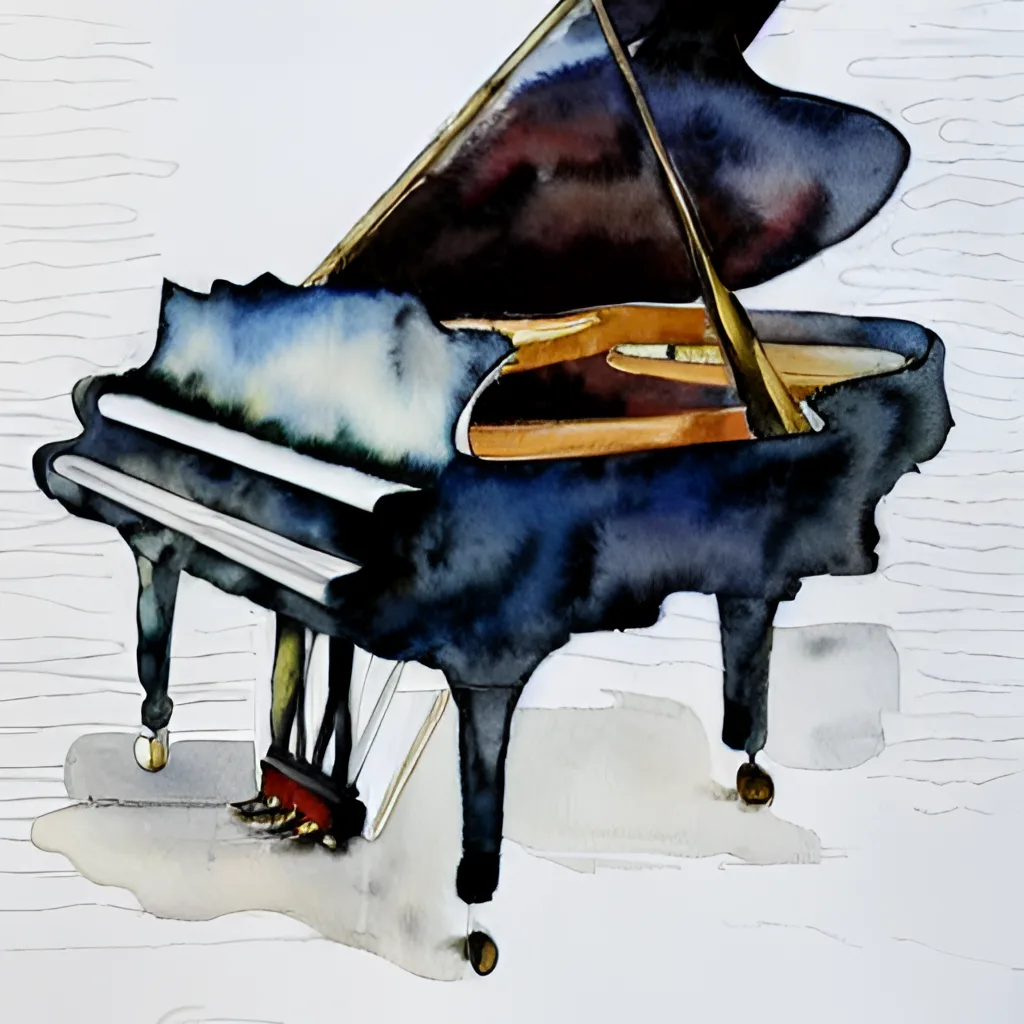
A piano has fixed pitches, so the instrument will always play the right note if you press the right key. The theremin shows the other side of musicianship: the listening needed to place a pitch in your mind before you play it.
You've read 31% of this article
Log in for free to read the remaining 69%
- Free to use
- No credit card needed
Plus, try Premium free for 7 days in the TIGA ALPHA app.
Continue with Google Sign up free Already a member? Log in- Hearing the note inwardly before you play it.
- Shaping the beginning and end of a note with care.
- Moving smoothly between pitches in a phrase.
- Treating volume as part of the melody, not an afterthought.
An ear-training game at the piano
You can borrow the idea without a theremin.
Sing, then check
Sing a note, then play the key you think matches it. Listen to how close you were.
Slide in your voice
Glide from one note to another with your voice, then play the two notes on the piano. Notice what the keyboard does not show you, which is the path between them.
Shape one note
Play a single key and listen to its decay. Try to make the next note match the loudness of the first one's tail.
What this says about technology and music
Gesture as an instrument
New instruments often invite new ways of moving. The theremin turned gesture into sound. Today, software can also respond to movement, voice or playing, and learning tools can listen to what you do. TIGA ALPHA is an AI piano teaching app that focuses on the notes and rhythm you play at the keyboard and suggests what to repeat. Different tools ask different things of the player, yet in each case careful listening is the starting point.
A little history in context
The theremin belongs to the story of early electronic instruments, when inventors discovered that electricity could produce musical tones. It was one of the first instruments to be played without physical contact, and it appeared in concerts and later in film soundtracks to suggest strange or futuristic worlds. Its place in history reminds us that the line between a musical instrument and a scientific device has always been thin. Learning about such instruments broadens what a young musician thinks of as possible, and it can make the familiar piano feel like one choice among many.
Why that matters to learners
Knowing that many sound sources exist makes listening more curious. You start to ask how a sound was made, and that curiosity feeds practice.
FAQ
Q: Do you touch a theremin?
A: No. The player moves their hands near the antennas without making contact.
Q: Is it hard to learn?
A: Many find it demanding because there are no markers for pitches, so ear and control matter a great deal.
Q: Can a piano player learn it quickly?
A: Keyboard skills help with musical knowledge, but the hand control is different and needs separate practice.
Q: Why does it sound like a singing voice?
A: The pitch can glide continuously, just as a voice can.
Get started with TIGA ALPHA
TIGA ALPHA is an AI piano teaching app built by a Thai team, with lessons in 10 languages: Thai, English, Mandarin, Arabic, Japanese, Russian, Spanish, French, Hindi and Korean. Its CEO, Teacher Aum, has 20 years of experience in piano teaching, and that music teaching background shapes every lesson, while piano teaching with AI gives you feedback each time you play piano. Use it as an online piano lessons app for short daily sessions, follow it as a complete AI online piano course, or combine it with a piano course or piano learning course led by a teacher. Whether you want to learn piano from zero, learn piano online after a long break, learn music alongside your children or simply play music for fun, this online piano teaching application keeps your next step clear. New users get a 7-day free Premium trial, then US$24.99/month. Open the piano teaching app below and pick a first lesson that fits your week.
- Download and start: TIGA ALPHA landing page
- In-person lessons in Thailand: TIGA Studio
- About the company: tigaalpha.com
The theremin proves that music can begin in empty air, and that control of that air is a learned skill.