Why We Often Don't Applaud Between Movements: A Habit That Became Common Later
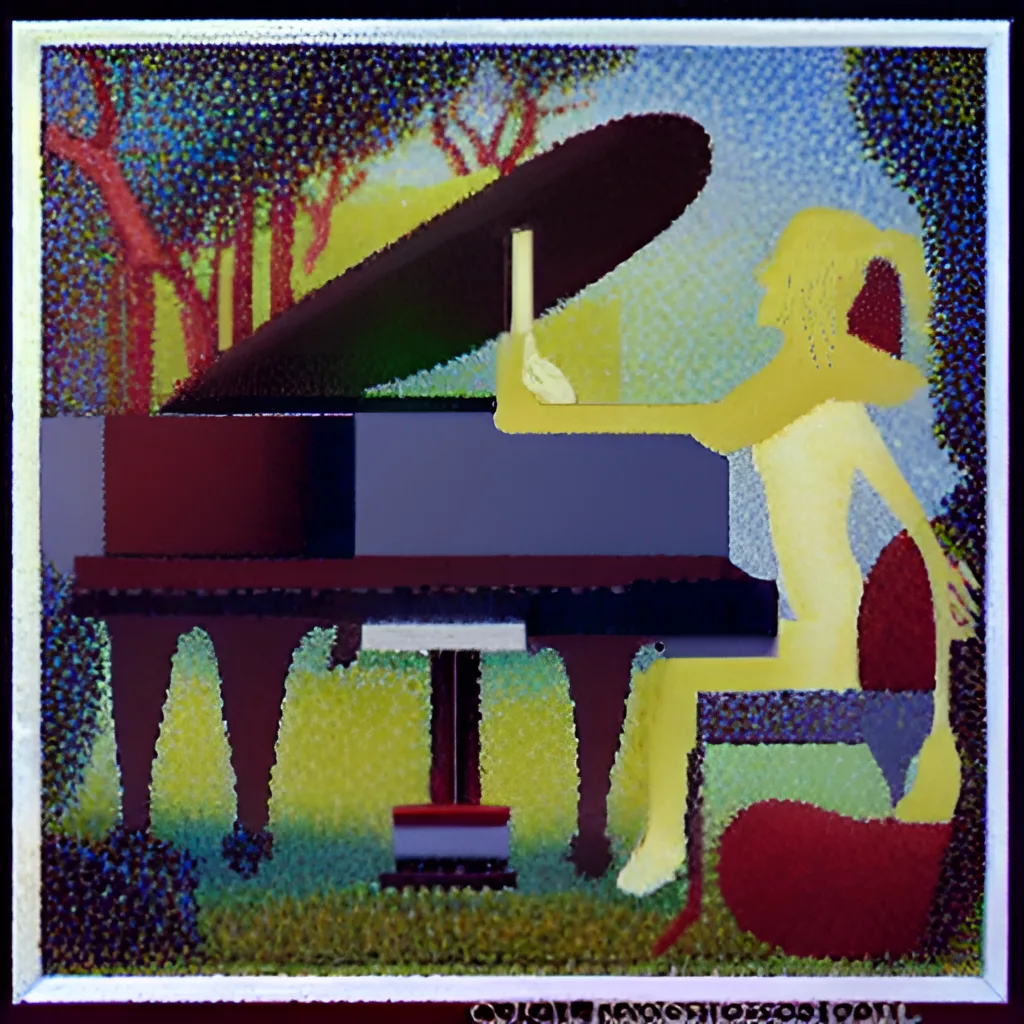
At many concerts today, the audience waits until the whole work has finished before applauding, and between movements the hall usually stays quiet. This habit seems taken for granted, but it is not the only practice there has ever been. In earlier public performances, audiences often showed their liking at the end of a movement, and sometimes even asked to hear it again. Later, as programmes grew longer and works were increasingly heard as one complete journey, keeping applause until the very end gradually became the more common courtesy in many settings. Knowing this is not meant to blame anyone for clapping at the wrong moment, but to show that the etiquette of listening has a history too, and that silence is not a standard background noise that music has always had. At a concert, piano learners can first observe the habit of the occasion; if you are unsure, waiting with the audience around you until the whole work is finished is usually the safer choice. In more relaxed settings, applause between movements does not have to be seen at once as rude. Both practices have existed in history, and today one is simply more common. Making this subject clear helps reduce unnecessary nervousness and lets attention go back to the music as it unfolds.
What applause between movements means for listening and playing
When you yourself perform a work in several movements, you can also decide beforehand: do you want the audience to hear the whole piece through, or may each movement be applauded separately?
Listen
A simple note in the programme or in the announcement can reduce uncertainty in the room.
When you are in the audience yourself, the principle is to make it easy to hear the whole piece.
Try it
- At many concerts today, applause is kept until the end of the whole work
- In earlier public performances, applause at the end of a movement, even requests for an encore, was not rare
- Listening etiquette changes along with repertoire and occasions
- When unsure, waiting until the end to applaud is usually safer
You've read 31% of this article
Log in for free to read the remaining 69%
- Free to use
- No credit card needed
Plus, try Premium free for 7 days in the TIGA ALPHA app.
Continue with Google Sign up free Already a member? Log inEarlier concerts were often more direct
In many accounts from the eighteenth and nineteenth centuries, the audience responds at once after a brilliant movement.
Sometimes the performers even repeated a movement because of such a response.
Concerts then did not always ask, as today, that all feeling be kept until the last moment.
Rehearsing the gaps between pieces with Teacher Aum in a lesson
In a lesson you can ask Teacher Aum to go through a work in several movements with you, practising how to finish and how to begin between movements, rather than treating the gap as time when anything can be said.
If you are going to take part in a more formal performance, you can also ask your teacher to explain what the more common habit will be on the day.
From this history of applause, practise seeing concert etiquette as a condition that serves listening, not a pile of prohibitions that make you nervous.
The common practice today
When a whole sonata, symphony or similar multi-movement work is performed, the audience often stays silent between movements until the final ending.
This lets the whole work be heard as one continuous road, without being interrupted again and again.
This is the more common habit in many formal settings today, but it is not the only habit that has ever existed.
What to remember about applause between movements
Many formal settings today keep applause until the end of the whole work, but earlier concerts often responded at the end of a movement.
Habits change and occasions differ, and when unsure, waiting until the end to applaud is safer.
If you clap too early now and then, do not blame yourself too much. Simply put your attention back on the music.
Why completeness was stressed later
The scale of works and the expectations of audiences were both changing, and the idea of hearing a whole set of movements as one whole grew stronger.
Quiet intervals make it easier to hear the relationships between movements, rather than treating each part as a programme item that could end on its own.
This change formed little by little and was not suddenly decreed in some particular year.
What if you clapped at the wrong moment
If you occasionally clap between movements, there is usually no need to blame yourself too much, still less to make up for it with bigger gestures.
Just become quiet and put your attention back on the next movement.
The purpose of etiquette is to let the music be heard well, not to leave the audience constantly worried about whether they have done something wrong.
Different occasions may still differ
A more formal concert, a more relaxed salon or a student recital need not have exactly the same habits.
Some works also appear as separate movements or short pieces, and applause at their end is perfectly natural.
Looking at the programme and at the people around you is more practical than remembering one absolute rule.
Frequently asked questions
Q: At many concerts today, when does applause usually come?
A: After a whole work has finished.
Q: Did audiences in the past applaud between movements too?
A: Yes. In earlier public performances, responding at the end of a movement, even asking for it again, was not rare.
Q: Has this habit existed since ancient times?
A: No. It became more common in many formal settings only later.
Q: If I am not sure whether to applaud, what is the safer thing to do?
A: Look at the occasion and at the audience around you, and usually wait until the whole work has finished.
Q: What should I do if I clap between movements by mistake?
A: Do not blame yourself too much. Become quiet and put your attention back on the next movement.
Start practising with TIGA ALPHA
TIGA ALPHA is an AI piano teaching app built by a team in Thailand. The app is available in 10 languages: Thai, English, Chinese, Arabic, Japanese, Russian, Spanish, French, Hindi and Korean. Its CEO, Teacher Aum, has 20 years of experience teaching piano, and that teaching background shapes every lesson. When you play, the app listens and tells you which notes or beats to practise next, so the feedback is specific rather than generic. Use it as an online piano lessons app for short daily sessions, follow it as a complete online piano course, or combine it with lessons from a teacher. Whether you are starting from scratch, coming back after a long break, learning music alongside your children or simply playing for fun, your next step stays clear. New users get a 7-day free Premium trial, then US$24.99 per month.
- Download and start: TIGA ALPHA
- In-person lessons in Thailand: TIGA Studio
- About the company: tigaalpha.com