West Side Story: Bernstein Brings Romeo and Juliet to New York

West Side Story opened in New York in September 1957. The music was by Leonard Bernstein, the lyrics by the young Stephen Sondheim, and the choreography and direction by Jerome Robbins. The story is drawn from Shakespeare's Romeo and Juliet, but it is set on the Upper West Side of New York in the 1950s, where a young couple falls in love between two hostile teenage gangs. Bernstein blended classical music, jazz and Latin American dance rhythms, and the song "Maria" opens with an augmented fourth. In 1961 it was made into a film that travelled around the world.
The 1957 Premiere
West Side Story opened in New York in September 1957.
Practice order
The show used a great deal of dance to tell its story, which was very new for a musical at the time.
It ran in New York for more than seven hundred performances, and was later staged all over the world.
From Shakespeare to New York
The story of West Side Story is taken from Shakespeare's tragedy Romeo and Juliet.
The two feuding families of the original become two hostile teenage gangs on the streets of New York.
Tony, a young man from one gang, falls in love with Maria, the sister of the leader of the other gang.
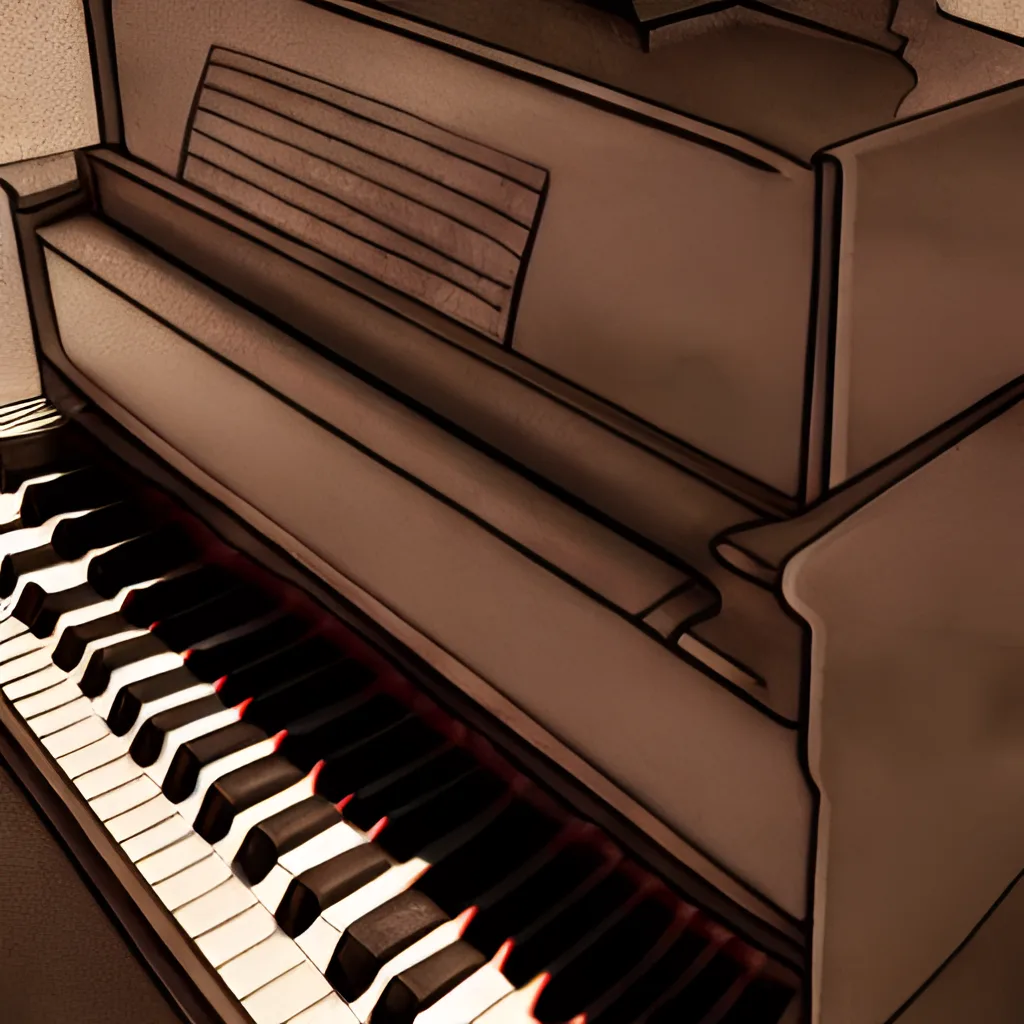
Playing the Augmented Fourth on the Piano
Try playing an augmented fourth on the piano: from C up to F♯, and listen to how it sounds.
Then move up a semitone from F♯ to G and listen to the feeling of resolution.
This helps you feel how Bernstein uses one tense interval to express a sense of longing.
A Work About Tolerance
West Side Story is about the hostility between two groups, which ends in tragedy.
It makes the audience think about the consequences of prejudice and hatred.
This theme still resonates with many people today.
- Premiered in New York in September 1957
- Music by Bernstein, lyrics by Sondheim, choreography by Robbins
- Based on Romeo and Juliet
- Blends classical, jazz and Latin American rhythms
The Rhythm of America
Another song in the show, "America", uses a very distinctive rhythm in which groups of six beats and three beats alternate.
You've read 31% of this article
Log in for free to read the remaining 69%
- Free to use
- No credit card needed
Plus, try Premium free for 7 days in the TIGA ALPHA app.
Continue with Google Sign up free Already a member? Log inOne bar is divided into two groups of three, and the next bar into three groups of two.
This alternation fills the music with energy, like dance steps that keep changing.
Leonard Bernstein
Leonard Bernstein was an American conductor, composer and pianist who was active in the middle of the twentieth century.
He conducted classical symphony orchestras, and he also wrote symphonies, musicals and film music.
He also made many popular television programmes that explained music to young people.
A Music of Fusion
In West Side Story, Bernstein blends classical music, jazz and Latin American dance rhythms.
For example, some songs use the rhythms of Latin dances such as the mambo and the cha-cha, and some passages have a jazz flavour.
This fusion gives the music both a classical structure and the vitality of the street.
Three Collaborators
The music of the show was by Bernstein, and the lyrics were by Stephen Sondheim, who was then only in his twenties.
The choreography and direction were by Jerome Robbins, who first came up with the original idea.
The collaboration of the three brought music, lyrics and dance closely together.
The 1961 Film
In 1961, West Side Story was made into a film and released around the world.
The film was highly praised, and it introduced the musical and its music to even more people.
It has since been filmed again.
West Side Story in Brief
West Side Story opened in New York in September 1957, with music by Leonard Bernstein, lyrics by Stephen Sondheim, and choreography and direction by Jerome Robbins. The story is drawn from Romeo and Juliet and is set among two hostile teenage gangs on the Upper West Side of 1950s New York, where Tony falls in love with Maria. The show used a great deal of dance to tell its story, ran for more than seven hundred performances in New York, and was made into a film in 1961.
The music blends classical, jazz and Latin rhythms such as the mambo and the cha-cha. "Maria" opens with an augmented fourth and then resolves to a perfect fifth, "America" alternates six beats and three beats, and on the piano you can try playing C to F♯ and then to G, or count the two ways of dividing a single chord.
You can talk about this musical with Teacher Aum.
Maria's Augmented Fourth
In the song "Maria", the opening melody uses an augmented fourth, for example from C to F♯.
An augmented fourth sounds a little tense and uneasy, and in the past it was even considered a dissonant interval.
But in "Maria" it quickly resolves upward to a perfect fifth, becoming a sound full of longing.
Talking About West Side Story With Your Teacher in Lessons
In a lesson you can talk with Teacher Aum about West Side Story and its music.
You can also ask your teacher to demonstrate the resolution of the augmented fourth, and the alternating rhythm of six beats and three beats.
Through one musical, you can discover the bridge between classical and popular music.
Counting Six Beats and Three Beats on the Piano
On the piano, try the rhythm of "America" with a single chord.
First play "one two three, one two three", then play "one two, one two, one two", and alternate the two ways of dividing.
Once you are familiar with it, you will find this rhythm great fun.
Frequently Asked Questions
Q: In which year did West Side Story premiere?
A: 1957.
Q: Who composed the music?
A: Leonard Bernstein.
Q: Which work is the story based on?
A: Shakespeare's Romeo and Juliet.
Q: Which interval does "Maria" begin with?
A: An augmented fourth.
Q: In which year was it made into a film?
A: 1961.
Start Practising With TIGA ALPHA
TIGA ALPHA is an AI piano teaching app built by a team in Thailand. The app is available in 10 languages: Thai, English, Chinese, Arabic, Japanese, Russian, Spanish, French, Hindi and Korean. Its CEO, Teacher Aum, has 20 years of experience teaching piano, and that teaching background shapes every lesson. When you play, the app listens and tells you which notes or beats to practise next, so the feedback is specific rather than generic. Use it as an online piano lessons app for short daily sessions, follow it as a complete online piano course, or combine it with lessons from a teacher. Whether you are starting from scratch, coming back after a long break, learning music alongside your children or simply playing for fun, your next step stays clear. New users get a 7-day free Premium trial, then US$24.99 per month.
- Download and start: TIGA ALPHA
- In-person lessons in Thailand: TIGA Studio
- About the company: tigaalpha.com