The Clavichord: A Quiet Keyboard That Can Vibrate
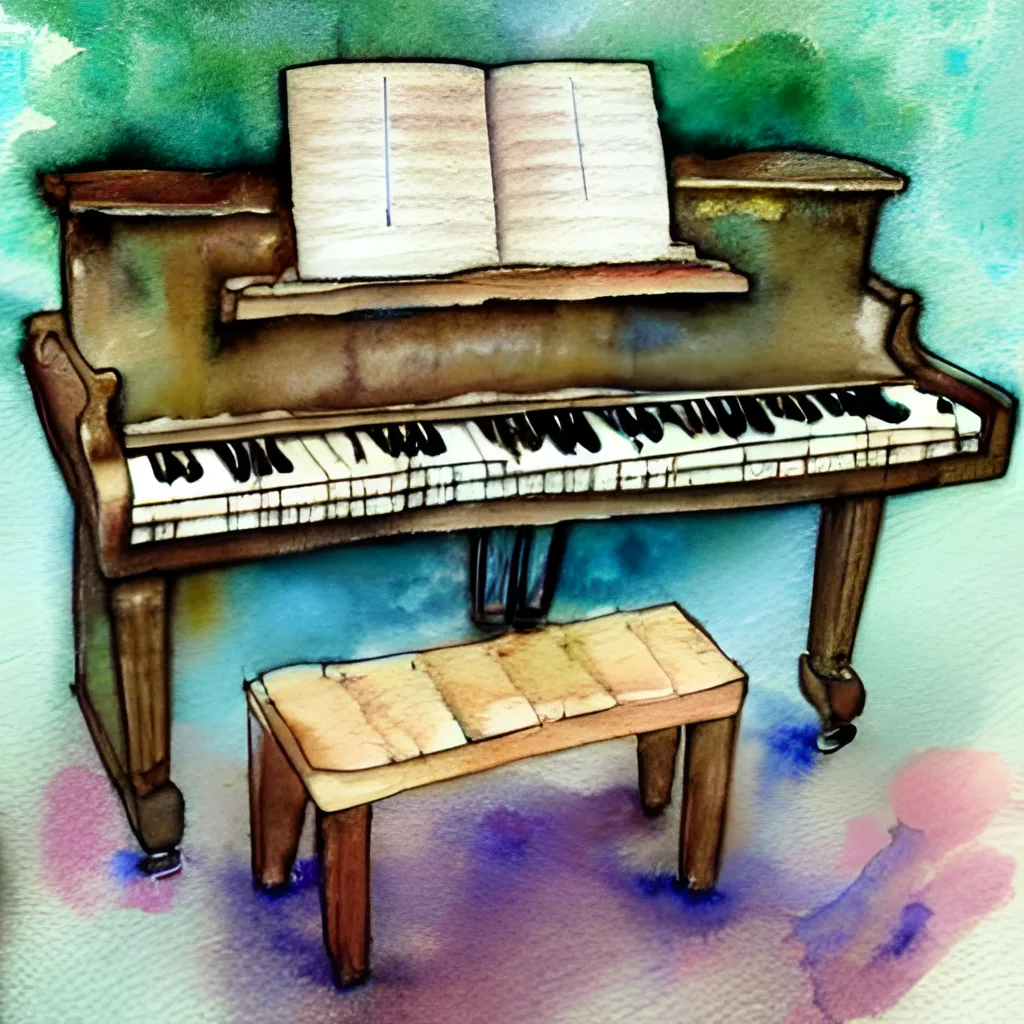
The clavichord is a small keyboard instrument whose sound comes from a brass blade, called a tangent, that strikes a string and then remains in contact with it. Because the tangent both starts the tone and defines the speaking length of the string, the player's finger stays connected to the sound for as long as the key is held. The result is intimate, often soft enough for a private room, and unusually responsive to small changes of pressure. For pianists, it offers a clear picture of touch that is easy to miss on a modern instrument, where a hammer leaves the string almost at once.
The tangent that strikes and then stays
On a piano, a hammer is thrown at the string and immediately rebounds so the string can ring freely. The clavichord works differently. When a key is depressed, a metal tangent rises and hits the string. The point of contact becomes one end of the vibrating segment, while the unused part of the string is usually damped by cloth. As long as the key stays down, the tangent remains against the metal, so the finger is, in a real sense, still touching the sound.
This simple action has musical consequences. A slightly heavier touch can raise the pitch a little as well as the loudness, because extra pressure increases the tension. A lighter release can let the tone fade without the sense of a damper falling from a height. The instrument rewards calm, precise fingers and exposes any jabbing attack at once.
Bebung, a vibrato made with the key
Because the tangent stays on the string, a player can add a gentle waver to a sustained note by changing pressure after the attack. This ornament is known as bebung. It is not a wide vocal shake and it does not work on a piano, whose hammer is already gone. It is a small, expressive colour available only while contact lasts.
You've read 29% of this article
Log in for free to read the remaining 71%
- Free to use
- No credit card needed
Plus, try Premium free for 7 days in the TIGA ALPHA app.
Continue with Google Sign up free Already a member? Log inBebung is a reminder that expression can live inside a single held note, not only in the choice of the next one. Even if you never meet a clavichord in person, the idea is useful: decide what happens to a long tone after it has started.
Why the instrument speaks so quietly
Several design choices keep the clavichord in the room rather than on a concert platform:
- The tangent is a small, relatively light contact, not a felted hammer blown into the string.
- The soundboard and case are modest, built for a table or a small frame.
- The dynamic range is narrow, so the loudest note is still close to speech level.
- There is little of the projecting power that later keyboard instruments were built to create.
That quietness was not a defect in its usual setting. It made private practice and domestic playing possible without filling a whole house, and it invited listeners to sit near the instrument.
Touch lessons a pianist can borrow
You do not need to own a clavichord to practise some of its habits.
Start the tone instead of hitting it
On a piano, try to feel the moment the hammer leaves, then avoid adding force after that point. The clavichord makes the same lesson obvious because a harsh jab also pulls the pitch sharp.
Stay with a long note
Choose a slow phrase and decide how each sustained tone should live: steady, fading, or gently coloured. On the piano this is mostly a matter of pedalling, voicing and attention, but the musical question is the same.
Keep the hand calm
Because extra pressure changes pitch on a clavichord, players learn a quiet hand. That calm is just as valuable when you return to a heavier modern action.
A short experiment at a modern piano
- Play a single mid-range note at a soft level and listen to the decay without adding pedal.
- Repeat the note and add a little sustain pedal after the attack, as a stand-in for a tone that continues under the finger.
- Play a short legato line as quietly as you can while keeping every pitch clear.
- Record the line and listen for bumps in tone that a clavichord would have made painfully obvious.
TIGA ALPHA, an AI piano teaching app, can sit beside this kind of slow listening by showing whether notes and rhythms were actually even while you attend to tone. The software will not hear bebung, but it can free your attention for sound by taking care of the basic accuracy check.
FAQ
Q: Is a clavichord just a quiet piano?
A: No. The action is different. A piano hammer rebounds, while a clavichord tangent stays on the string and keeps the finger in contact with the tone.
Q: Why can the pitch wobble when a key is pressed harder?
A: Extra pressure on the tangent raises the tension of the speaking string a little, so loudness and pitch are linked more tightly than on a piano.
Q: Can bebung be copied with a piano pedal?
A: Not truly. Pedal can lengthen or colour a note, but it cannot recreate a vibrato that comes from changing pressure on a tangent that is still touching the string.
Q: Is the clavichord useful only as a historical curiosity?
A: Its repertoire and mechanism are historical, yet the way it exposes touch remains a practical teacher for anyone who plays a keyboard.
Get started with TIGA ALPHA
TIGA ALPHA is an AI piano teaching app built by a Thai team, with lessons in 10 languages: Thai, English, Mandarin, Arabic, Japanese, Russian, Spanish, French, Hindi and Korean. Its CEO, Teacher Aum, has 20 years of experience in piano teaching, and that music teaching background shapes every lesson, while piano teaching with AI gives you feedback each time you play piano. Use it as an online piano lessons app for short daily sessions, follow it as a complete AI online piano course, or combine it with a piano course or piano learning course led by a teacher. Whether you want to learn piano from zero, learn piano online after a long break, learn music alongside your children or simply play music for fun, this online piano teaching application keeps your next step clear. New users get a 7-day free Premium trial, then US$24.99/month. Open the piano teaching app below and pick a first lesson that fits your week.
- Download and start: TIGA ALPHA landing page
- In-person lessons in Thailand: TIGA Studio
- About the company: tigaalpha.com
A quiet keyboard that stays in contact with its string still has something to teach any player who cares about touch.