Cristofori and the Early Piano: A Keyboard for Soft and Loud

The invention of the piano is usually credited to the Italian instrument maker Bartolomeo Cristofori (1655-1731). Working in Florence for the Medici family, around 1700 he made a keyboard instrument that struck the strings with small hammers and could sound soft or loud according to the weight of touch; at the time it was called a "harpsichord that can play soft and loud". Three pianos he made still survive in the world today, marked with the years 1720, 1722 and 1726.
The Three That Survive
Today, three pianos made by Cristofori are still preserved in the world, marked with the years 1720, 1722 and 1726.
The three instruments are held in different museums and are precious physical evidence for the study of the early piano.
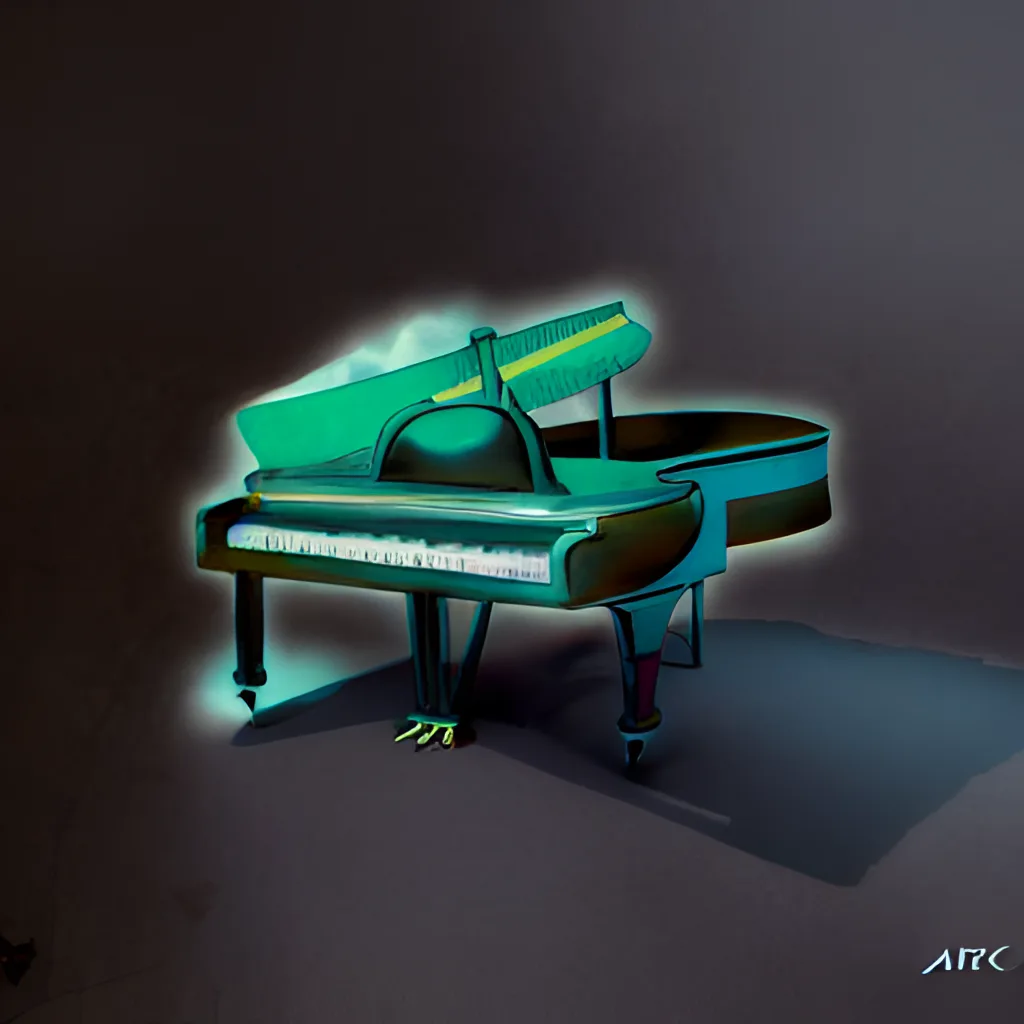
They look somewhat like today's grand pianos, but are smaller, and their sound is softer.
Where the Name Comes From
In the Italian descriptions of the time, Cristofori's instrument was called a "harpsichord that can play soft and loud".
"Soft" and "loud" are piano and forte in Italian, and people later shortened the name of this instrument to fortepiano or pianoforte.
Later still, the name was simplified further, becoming the piano we speak of today.
A Small Reminder
Many details about the early piano are still being researched and discussed, and different sources may differ somewhat.
If you want to know more, you can consult museum guides or specialist books on the history of instruments.
For those learning the piano, remembering that the piano "can play both loud and soft" already captures its most central meaning.
Before you start
- Cristofori lived from 1655 to 1731
- He worked in Florence for the Medici family
- Around 1700 he made a keyboard instrument that struck the strings with small hammers
- Three survive, dated 1720, 1722 and 1726
Striking the Strings with Hammers
Cristofori's key idea was to strike the strings with small leather-covered hammers, rather than plucking them with a plectrum.
You've read 30% of this article
Log in for free to read the remaining 70%
- Free to use
- No credit card needed
Plus, try Premium free for 7 days in the TIGA ALPHA app.
Continue with Google Sign up free Already a member? Log inThe harder the key is pressed, the faster the hammer hits the string and the louder the sound; the lighter the key is pressed, the softer the sound.
In this way, the player can control the volume of every note directly through the weight of touch.
What It Means for Piano Learners
Knowing the origin of the piano helps us understand why the piano can produce such rich changes in volume.
Every time we touch the keys with a different weight, we are using Cristofori's idea from more than three hundred years ago.
Next time you practise dynamic changes, think that this is exactly the reason the piano was invented in the first place.
Around the Year 1700
According to surviving records, Cristofori had already made this new instrument around the year 1700.
In 1711, an Italian writer published an article describing the instrument and its mechanism, which made it known to more people.
The article was later translated into German and influenced instrument makers elsewhere.
Who Cristofori Was
Bartolomeo Cristofori was born in Padua, Italy, and was a highly skilled instrument maker.
Later he came to Florence and worked for the prominent Medici family, making and maintaining instruments.
Here he had the chance to work with all kinds of instruments and to try new things.
Keyboards Before the Piano
Before the piano appeared, the common keyboard instruments in Europe included the harpsichord and the clavichord.
The harpsichord sounds by plucking the strings with plectra; the weight of touch has very little effect on its volume, so it is hard to make clear changes between loud and soft.
The clavichord can make some subtle changes in dynamics, but its sound is quiet and not suited to playing in larger settings.
How It Differs from Today's Piano
Cristofori's piano had a much narrower range than today's piano, with far fewer keys.
Its frame was mainly wooden, and the string tension was lower than in a modern piano, so the sound was softer and clearer.
Today's piano, after more than two hundred years of development, has a metal frame, more keys and a more complex mechanism, and its sound is grander.
Clever Mechanical Design
To make the hammer strike the string and then leave at once, letting the string vibrate freely, a clever mechanism was needed.
Cristofori designed a mechanism that lets the hammer fall back in time after striking, so that it does not rest on the string and deaden the sound.
He also added dampers that stop the sound when the key is released, and these designs became the basis of the later piano action.
Development After the Invention
At first, Cristofori's invention did not become popular immediately, and many people were still used to the harpsichord.
Later, instrument makers in Germany, Austria and England kept improving it on this foundation, and the piano gradually became more widespread.
A common misunderstanding
By the late eighteenth century, the piano had become a favourite instrument of many composers and performers.
Frequently Asked Questions
Q: Who invented the piano?
A: It is usually credited to the Italian instrument maker Cristofori.
Q: Roughly when?
A: Around 1700.
Q: Where did he work?
A: In Florence, for the Medici family.
Q: How does the piano differ from the harpsichord?
A: The piano strikes the strings with small hammers and can play soft or loud according to the weight of touch.
Q: Where does the name come from?
A: From the Italian words for "soft" and "loud".
Q: Are there still pianos he made today?
A: Three survive, dated 1720, 1722 and 1726.
Start practising with TIGA ALPHA
TIGA ALPHA is an AI piano teaching app built by a team in Thailand. The app is available in 10 languages: Thai, English, Chinese, Arabic, Japanese, Russian, Spanish, French, Hindi and Korean. Its CEO, Teacher Aum, has 20 years of experience teaching piano, and that teaching background shapes every lesson. When you play, the app listens and tells you which notes or beats to practise next, so the feedback is specific rather than generic. Use it as an online piano lessons app for short daily sessions, follow it as a complete online piano course, or combine it with lessons from a teacher. Whether you are starting from scratch, coming back after a long break, learning music alongside your children or simply playing for fun, your next step stays clear. New users get a 7-day free Premium trial, then US$24.99 per month.
- Download and start: TIGA ALPHA
- In-person lessons in Thailand: TIGA Studio
- About the company: tigaalpha.com