Dowland's Lachrimae: Seven Pavans of Tears, Published in 1604
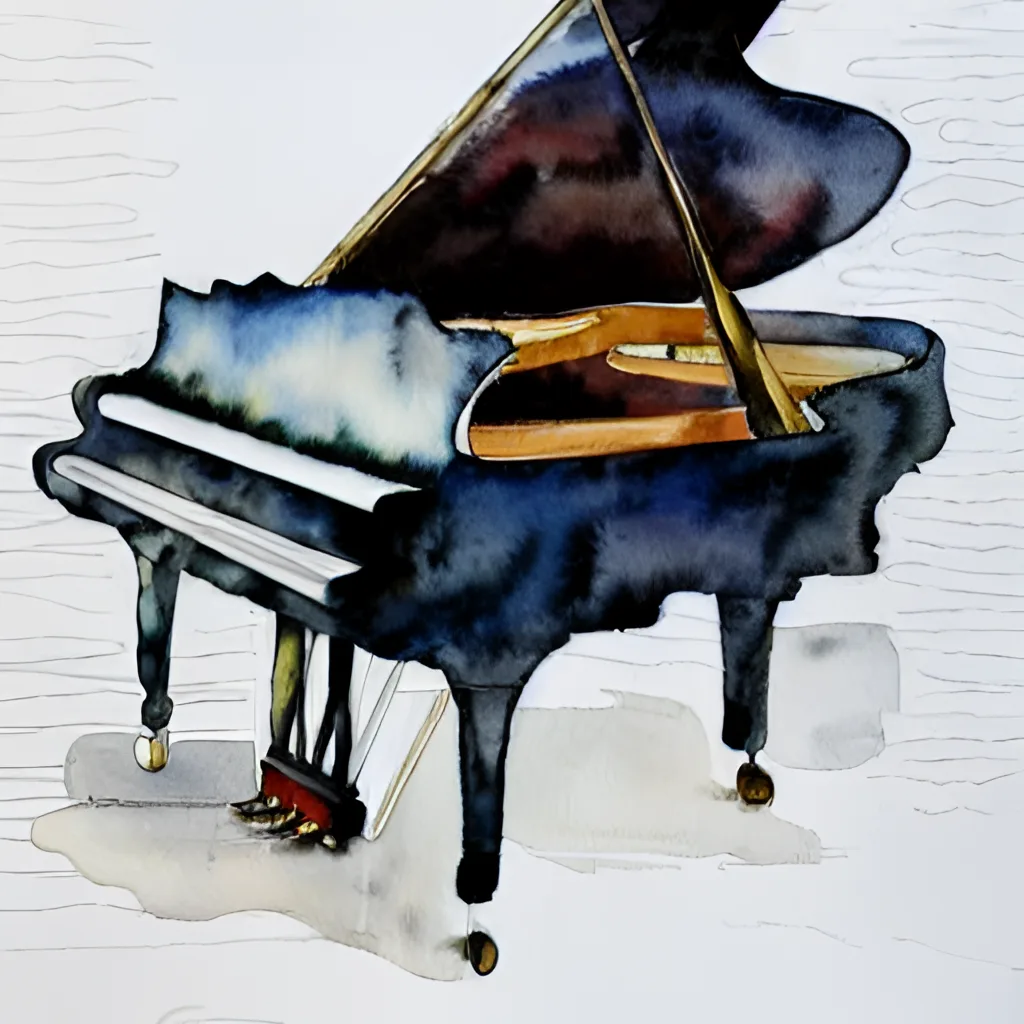
John Dowland was an English lutenist and composer of the late sixteenth and early seventeenth centuries. In a song book he published in 1600 there is a song called "Flow, My Tears". Its melody steps down from a high note, like tears falling, and it soon spread across Europe. In 1604 he published a collection of instrumental music in London called Lachrimae, or Seven Tears. He took the falling melody that opens the song and wrote seven solemn pavans from it, for five viols and a lute. Dowland often let a trace of melancholy show in his work, and he is said to have given one piece the title "Semper Dowland, semper dolens", meaning "Always Dowland, always melancholy".
Seven kinds of tears
All seven pavans use the same falling motif, but each one develops it differently.
Think again
Some are sadder, some bring a little comfort, and some feel more solemn.
Heard one after another, the seven pavans sound like seven different reflections on the idea of "tears".
- John Dowland, English lutenist and composer
- The song "Flow, My Tears" of 1600
- Lachrimae published in London in 1604
- Seven pavans, for five viols and a lute
Flow, My Tears
In 1600, Dowland published a song book that included a song called "Flow, My Tears".
The melody of this song starts high and steps down note by note, like tears falling one by one.
It soon spread across Europe, and many musicians made arrangements of it.
What is a pavan?
A pavan is slow and stately, usually in duple time, and in the sixteenth century it was danced all over Europe.
When people danced a pavan, they lined up and walked slowly forward.
Composers also often wrote pavans that were not meant for dancing, only for listening.
Playing the tear motif on the piano
On the piano, you can play four descending notes slowly with your right hand, for example "la, sol, fa, mi".
Play them smoothly and softly, like a sigh.
You've read 30% of this article
Log in for free to read the remaining 70%
- Free to use
- No credit card needed
Plus, try Premium free for 7 days in the TIGA ALPHA app.
Continue with Google Sign up free Already a member? Log inThen add a simple chord in the left hand and listen to the mood the motif creates.
Always melancholy
Dowland wrote a piece whose title means "Always Dowland, always melancholy".
He is said to have liked using this kind of self-mocking humour to show his sensitive, sentimental nature.
Yet he also wrote many light, lively dances and songs.
The tears of 1604
In 1604, Dowland published a collection of instrumental music in London called Lachrimae.
The collection opens with seven pavans built on the "tear motif".
Each one has a subtitle, such as "Old Tears" and "New Tears".
A fashion for melancholy
In Dowland's day, English poets and musicians loved to express melancholy.
Melancholy was seen as a deep and sensitive temperament.
Dowland's music expressed this fashion of the time perfectly.
Chat with your teacher about Dowland's tears in your lessons
In your lessons, you can talk with Teacher Aum about Dowland's Lachrimae.
You can also ask your teacher to listen to a short piece you wrote using the falling motif and tell you whether it flows smoothly.
Starting from a single four-note motif, you can feel how music expresses emotion.
Dowland's Lachrimae in summary
John Dowland was an English lutenist and composer of the late sixteenth and early seventeenth centuries. The first four notes of "Flow, My Tears" in his 1600 song book, stepping down one by one, are known as the "tear motif". In 1604 he published the instrumental collection Lachrimae in London. It opens with seven pavans written on this motif, scored for five viols and a lute, and each has a subtitle.
A pavan is a slow, solemn dance in duple time. The viol is a bowed string instrument with a fretted neck and a soft sound. Melancholy was fashionable in Dowland's time, though he also wrote lively dances. On the piano you can play "la, sol, fa, mi" to feel the tear motif, and you can also write a little piece from a single short motif.
You can talk about this bit of history with Teacher Aum.
Viols and lutes
Lachrimae was written for five viols and a lute.
The viol is a bowed string instrument that looks a little like today's cello, but its neck has frets and its sound is soft.
Five viols make up five voices of different pitches, and the lute adds chords among them.
A four-note descent
The opening of "Flow, My Tears" is four notes stepping down one at a time.
The falling melody made by these four notes later came to be called the "tear motif".
In that period, falling melodies were often used to express sadness and sighing.

Dowland the lutenist
John Dowland was an English lutenist and composer of the late sixteenth and early seventeenth centuries.
The lute is a pear-shaped plucked instrument that was very popular in Europe at the time, with a standing a bit like that of the guitar today.
Dowland's playing was famous, and he worked in several places across Europe.
Writing a little piece from a motif
Dowland wrote seven pieces from the same motif, and we can try writing a little piece from a small motif too.
For example, repeat the four falling notes several times, starting on a different pitch each time or changing the rhythm.
This is a very good way to learn about composing.
FAQ
Q: What instrument did Dowland play?
A: The lute.
Q: In what year was "Flow, My Tears" published?
A: 1600.
Q: In what year was the instrumental collection Lachrimae published?
A: 1604.
Q: How many pavans open Lachrimae?
A: Seven.
Q: What is a pavan?
A: A slow, solemn dance that was popular in sixteenth-century Europe.
Start practising with TIGA ALPHA
TIGA ALPHA is an AI piano teaching app built by a team in Thailand. The app is available in 10 languages: Thai, English, Chinese, Arabic, Japanese, Russian, Spanish, French, Hindi and Korean. Its CEO, Teacher Aum, has 20 years of experience teaching piano, and that teaching background shapes every lesson. When you play, the app listens and tells you which notes or beats to practise next, so the feedback is specific rather than generic. Use it as an online piano lessons app for short daily sessions, follow it as a complete online piano course, or combine it with lessons from a teacher. Whether you are starting from scratch, coming back after a long break, learning music alongside your children or simply playing for fun, your next step stays clear. New users get a 7-day free Premium trial, then US$24.99 per month.
- Download and start: TIGA ALPHA
- In-person lessons in Thailand: TIGA Studio
- About the company: tigaalpha.com