Drum Machines: How Programmed Rhythm Changed Music
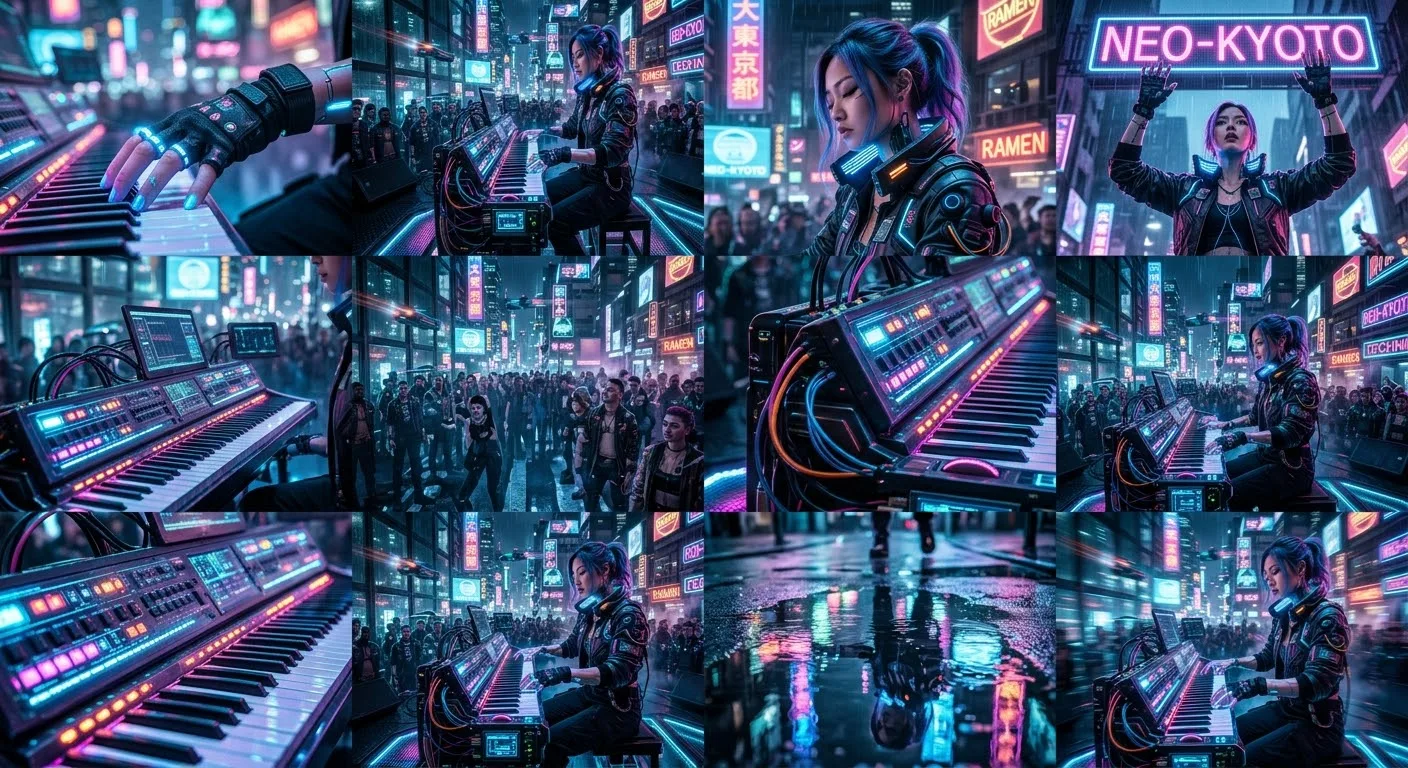
A drum machine is an electronic instrument that plays rhythm patterns automatically, using either built-in synthesised sounds or recorded samples of drums. It began as a simple rhythm box that accompanied organists with fixed preset styles, then became a programmable instrument that let musicians design their own beats step by step. Drum machines shaped the sound of many kinds of popular music, and they also changed how musicians think about timing, groove and repetition.
From preset rhythm boxes to programmable beats
The earliest electronic rhythm units were made to sit beside home organs. A player chose a preset such as a waltz or a gentle swing pattern, set the tempo, and the box played a steady accompaniment. The sounds were simple electronic clicks and thumps that only loosely resembled real drums.
The big shift came when machines let users write their own patterns. Instead of choosing from a menu, musicians could place each kick, snare and hi-hat hit where they wanted it. Later designs added recorded drum samples, giving a more realistic sound, while some musicians kept choosing synthetic tones because they liked the character.
Synthesised sounds
Electronic circuits shape a short burst of noise or a falling tone into something drum-like. These sounds are often punchy and clearly artificial.
Sampled sounds
Short recordings of real drums are stored and triggered. They can sound close to an acoustic kit, depending on the samples.
How step programming works
Many drum machines divide one bar into a row of steps, often sixteen, each representing a short slice of time. Each drum sound gets its own row. Turning a step on means that sound plays at that moment. The result is a grid that shows rhythm visually.
- A kick on steps one and nine gives a strong pulse on beats one and three.
- A snare on steps five and thirteen marks the backbeat on two and four.
- Hi-hats on every other step create a steady eighth-note motion.
You've read 32% of this article
Log in for free to read the remaining 68%
- Free to use
- No credit card needed
Plus, try Premium free for 7 days in the TIGA ALPHA app.
Continue with Google Sign up free Already a member? Log inFor learners, this grid is a clear way to see subdivisions. It turns abstract counting into something you can point at.
Swing, accents and the search for feel
A strictly even grid can sound stiff. Designers added swing controls that delay every second small step slightly, giving a lilting, triplet-like feel. Accent settings make chosen hits louder. Some producers move individual hits a tiny amount off the grid on purpose so a pattern breathes.
These controls reveal something musicians often feel but rarely measure: groove depends on small, consistent differences in timing and volume. A pianist playing a pop accompaniment does the same thing by leaning on certain beats and relaxing others.
Why drum machines matter for pianists
Practising with a drum pattern rather than a plain click can make timing practice feel musical. The pattern tells you where the backbeat is, which subdivisions to feel and how much swing to use.
Lock in with the hi-hat
Listen to the smallest subdivision first. If your right-hand chords line up with the hi-hat, your inner pulse becomes steady.
Leave space for the kick
In pop and dance styles, the left hand often avoids doubling every bass drum hit. Playing a little less can sound tighter.
Try a half-time pattern
Keep the same tempo but put the snare only on beat three. Notice how the same piano part suddenly feels more spacious.
Programmed rhythm and AI
Today's music software can generate drum parts from a short description, suggest variations, or follow a pianist's tempo. These features grow from the same step-grid idea, now combined with machine learning that studies large numbers of patterns.
For learners, the useful question is what the machine does and what the human does. In an AI piano teaching app such as TIGA ALPHA, software listens to the timing of a learner's notes and points out where they rush or drag, while the learner still chooses how to shape each phrase. A drum machine keeps time; a musician makes the time mean something.
Simple exercises with a beat
- Play a C major chord on every snare hit for one minute without drifting.
- Switch to playing on the off-beats between hi-hats.
- Turn on a gentle swing setting and play a simple scale in eighth notes, matching the lilt.
- Mute the pattern for two bars, keep playing, then unmute and check whether you are still together.
FAQ
Q: Is practising with a drum machine better than a metronome?
A: Neither is better for everyone. A metronome is simple and clear; a drum pattern adds style and subdivisions. Many learners use both at different stages.
Q: What does "sixteen steps" mean?
A: It usually means one bar of four beats divided into sixteen equal slices, so each step is a sixteenth note.
Q: Do drum machines only suit electronic music?
A: No. Programmed beats appear in pop, hip hop, soul, film music and many other styles, often blended with live players.
Q: Can I make my own drum patterns without special hardware?
A: Yes. Many free and low-cost apps and music programs include step sequencers that work on a phone or computer.
Get started with TIGA ALPHA
TIGA ALPHA is an AI piano teaching app built by a Thai team, with lessons in 10 languages: Thai, English, Mandarin, Arabic, Japanese, Russian, Spanish, French, Hindi and Korean. Its CEO, Teacher Aum, has 20 years of experience in piano teaching, and that music teaching background shapes every lesson, while piano teaching with AI gives you feedback each time you play piano. Use it as an online piano lessons app for short daily sessions, follow it as a complete AI online piano course, or combine it with a piano course or piano learning course led by a teacher. Whether you want to learn piano from zero, learn piano online after a long break, learn music alongside your children or simply play music for fun, this online piano teaching application keeps your next step clear. New users get a 7-day free Premium trial, then US$24.99/month. Open the piano teaching app below and pick a first lesson that fits your week.
- Download and start: TIGA ALPHA landing page
- In-person lessons in Thailand: TIGA Studio
- About the company: tigaalpha.com
A programmed beat is only a starting point; the feel comes from the people who play and listen around it.