Example Scenario: A Studio Runs a Holiday Songwriting Workshop
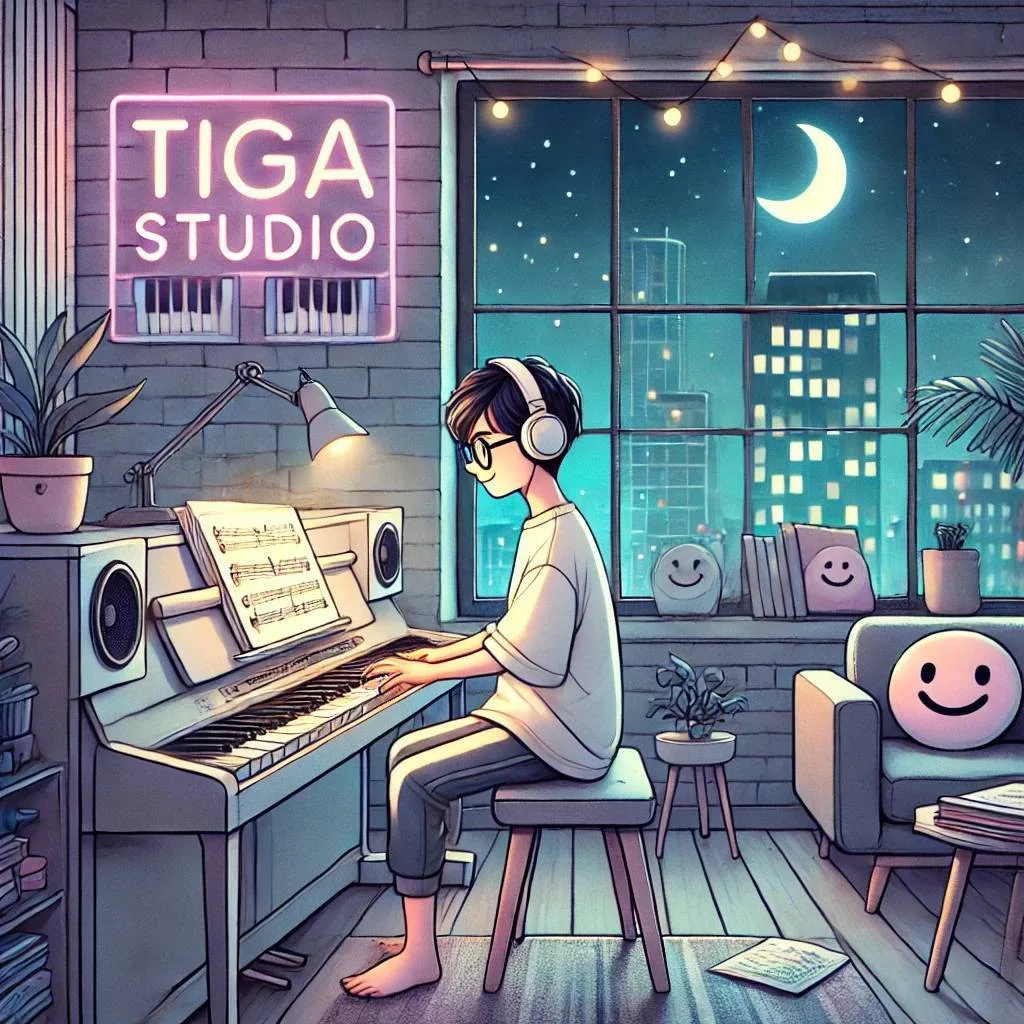
This scenario is invented for illustration and does not describe a real studio. It imagines a small piano and keyboard studio that wants to offer something new during the school holidays: a five-day songwriting workshop where young learners write, arrange and record a short original song. The example walks through the planning decisions so other studios can judge whether a similar programme would suit them.
Why the studio considers a workshop
In this example, regular weekly lessons slow down during holidays because families travel or change routines. The studio has empty rooms in the mornings and teachers who want to try different kinds of teaching. A short, intensive workshop could use that capacity, introduce the studio to new families and give current students a creative project beyond their usual repertoire. The owner also hopes the experience will feed back into regular lessons, since students who have written a song tend to listen to chord changes and lyrics differently afterwards.
Defining the programme
The team decides on clear boundaries before advertising anything.
- Five mornings of three hours each, with a break every hour.
- Ages ten to fourteen, with basic keyboard skills required.
- A maximum of eight participants so each one gets individual attention.
- A shared goal: each participant finishes a short song with a chord progression, melody and simple lyrics, recorded on the final day.
Teaching team
One teacher leads the songwriting sessions while another supports keyboard parts and recording.
You've read 27% of this article
Log in for free to read the remaining 73%
- Free to use
- No credit card needed
Plus, try Premium free for 7 days in the TIGA ALPHA app.
Continue with Google Sign up free Already a member? Log inPlanning each day
Day one introduces song structure through listening and simple chord loops. Day two focuses on melody, with participants improvising over their chosen chords. Day three explores lyrics, including how syllables fit rhythms. Day four is for arranging and rehearsing. Day five is recording and a short sharing session for families.
Each day ends with a short reflection, where participants say one thing they discovered. This helps teachers adjust the next day's plan.

Setting the price and policies
The studio calculates the costs of teacher time, materials, recording equipment and room use, then sets a price that covers these with a modest margin. The policies are written clearly on the registration page: what is included, the refund policy if a child cannot attend, and how recordings will be shared. Recordings are given only to each participant's family unless parents agree otherwise in writing.
Promoting the workshop honestly
Announcements describe the daily activities, the age range and the maximum group size factually. The studio avoids phrases that suggest scarcity unless places are genuinely almost full. Current students receive the information first through the regular newsletter, and the studio also shares it on its own social pages and at the local library notice board.
Using technology thoughtfully
During the workshop, participants use notation software to sketch melodies and a simple recording setup for the final song. Between sessions, those who want extra practice can use an app such as TIGA ALPHA to work on keyboard parts, checking notes and rhythm before the next morning. The teachers present these tools as aids, keeping the focus on listening and creative choices.
Reviewing the results
After the workshop, the team asks families for brief feedback and reviews its own notes. In this imagined case, they find that the lyric day felt rushed and that participants wanted more time to rehearse together. For the next workshop, they plan to start lyrics earlier and add a group performance piece alongside the individual songs.
What other studios can learn
The scenario highlights a few transferable points. Choose a clear, achievable outcome. Keep groups small enough for individual support. Write policies on refunds and recordings before registration opens. Promote factually. Collect feedback and adjust. A short workshop does not need to be large or elaborate to be valuable.
FAQ
Q: Is this a real workshop?
A: No. It is a fictional scenario designed to illustrate planning steps.
Q: Do participants need to read music?
A: In this example, basic keyboard skills are required, but songwriting can also be taught by ear.
Q: How should recordings of children be handled?
A: Share them only with consent from parents or guardians and follow privacy laws.
Q: Can a workshop like this run online?
A: Parts of it can, though group rehearsal and recording are often easier in person.
Get started with TIGA ALPHA
TIGA ALPHA is an AI piano teaching app built by a Thai team, with lessons in 10 languages: Thai, English, Mandarin, Arabic, Japanese, Russian, Spanish, French, Hindi and Korean. Its CEO, Teacher Aum, has 20 years of experience in piano teaching, and that music teaching background shapes every lesson, while piano teaching with AI gives you feedback each time you play piano. Use it as an online piano lessons app for short daily sessions, follow it as a complete AI online piano course, or combine it with a piano course or piano learning course led by a teacher. Whether you want to learn piano from zero, learn piano online after a long break, learn music alongside your children or simply play music for fun, this online piano teaching application keeps your next step clear. New users get a 7-day free Premium trial, then US$24.99/month. Open the piano teaching app below and pick a first lesson that fits your week.
- Download and start: TIGA ALPHA landing page
- In-person lessons in Thailand: TIGA Studio
- About the company: tigaalpha.com
A short, well-planned workshop can give young musicians a finished song and give a studio a fresh way to meet new families.