Example Scenario: A Small Studio Sets Up a Community Bursary Fund

This article describes an illustrative example scenario, not a real studio. It imagines a small neighbourhood music studio that wants to help families who cannot easily afford regular lessons, and follows how the team might design a community bursary: a modest fund that covers part of the fees for selected learners. The scenario focuses on fairness, privacy and honest communication, which matter more than the size of the fund.
Why a studio might consider a bursary
In this scenario, teachers hear from parents whose children enjoy trial lessons but stop because of cost. Some adults also ask about lessons but hesitate for the same reason. The studio owners want music lessons to reflect the whole neighbourhood, not only families with spare budget, and they see a bursary as a practical step.
There is a marketing side as well, though it is secondary. A studio known for supporting its community builds goodwill over time. The team agrees from the start that the bursary should never be used as a sales hook.
Deciding where the money comes from
The team explores several realistic sources before choosing a mix.
- A small set-aside from regular lesson income each term.
- Proceeds from a yearly community concert, clearly labelled as supporting the fund.
- Donations from families who wish to contribute, with no pressure to do so.
- In-kind support, such as a local business lending a hall for the concert.
They decide to start small and grow only if the fund proves sustainable. In this scenario no target amount is announced, because the team prefers to promise only what it already has.
Clear guidelines for applicants
A bursary can create tension if people feel the process is unclear. The team writes short, plain guidelines.
You've read 30% of this article
Log in for free to read the remaining 70%
- Free to use
- No credit card needed
Plus, try Premium free for 7 days in the TIGA ALPHA app.
Continue with Google Sign up free Already a member? Log inWho can apply
Learners of any age who live in or near the neighbourhood and want regular lessons. Parents apply for children.
What it covers
Part of the lesson fee for one term at a time, renewable after a short check-in. Instrument hire may be considered separately.
How decisions are made
Two people review applications using the same simple criteria. Teachers who will teach the learner are not the decision-makers, which keeps lessons free of awkwardness.
What applicants share
Only enough information to show need, described in the applicant's own words. No documents are copied or stored unless truly necessary, and anything collected is deleted after the decision.
Protecting dignity in lessons
A key principle in the scenario is that nobody else knows who receives support. Bursary learners book the same slots, use the same materials and join the same recitals. Invoices look the same. Teachers treat every learner identically, and the studio never names recipients in public, in newsletters or in photos.
Communicating without making it a campaign
The studio mentions the bursary in a calm, factual way: a short paragraph on the fees page, a line in the welcome pack and a note at the community concert. The wording explains who can apply and how, without emotional appeals or stories about individual families. Any donor thanks are general, unless a donor asks to be named and the studio agrees.
Supporting practice between lessons
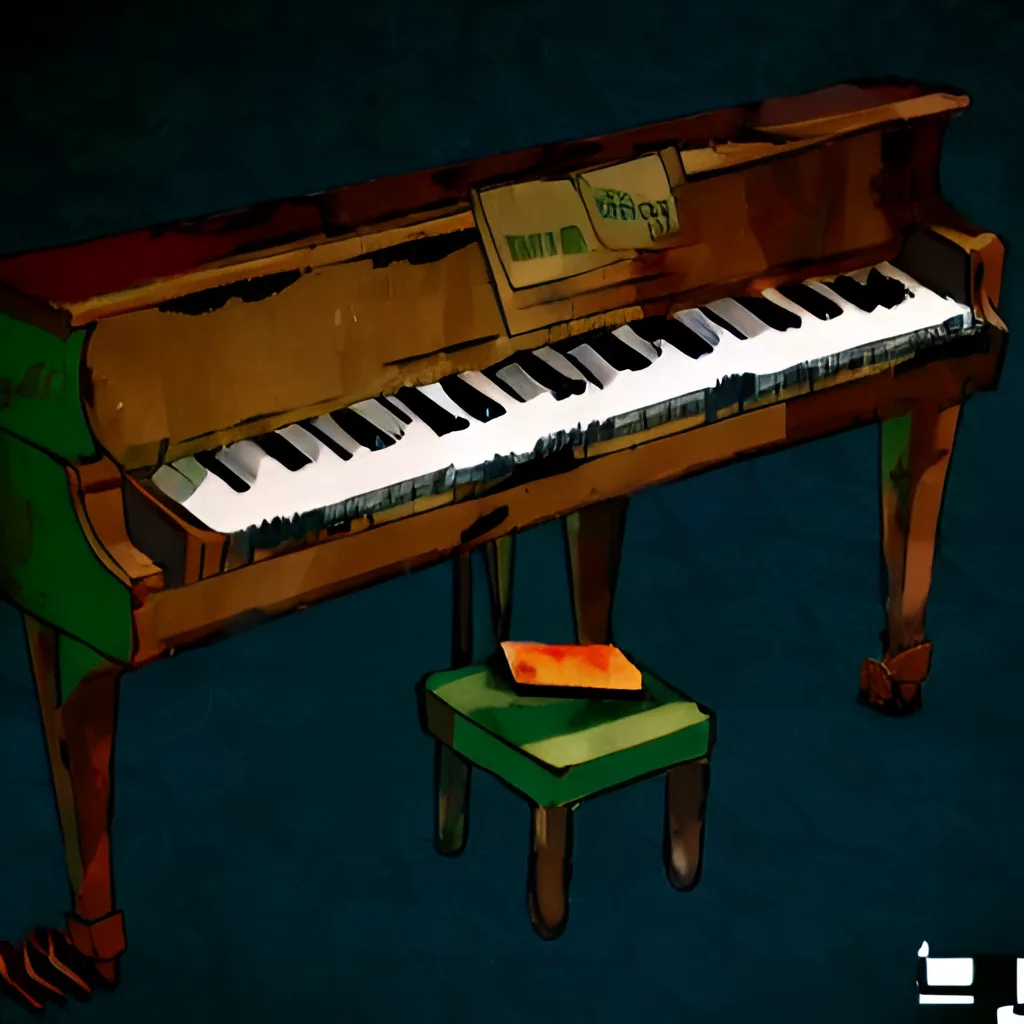
Some bursary learners may not have an acoustic piano at home. The studio in this scenario can suggest practical options, such as a lending keyboard scheme or practice time in an empty studio room. A digital learning tool like TIGA ALPHA could also be suggested for home practice on a keyboard, with its free trial period described accurately so families understand any later costs before they decide. The studio does not require any particular tool; it simply lists options.
Reviewing the fund each year
At the end of the year the team looks back in a short meeting.
- Was the process easy to understand for applicants?
- Did the fund stay within what the studio could afford?
- Were privacy rules followed in every case?
- Did teachers notice any awkwardness that needs fixing?
The answers guide small adjustments rather than dramatic changes.
FAQ
Q: Is this scenario based on a real studio?
A: No. The studio here is imaginary, used only to show how a fair bursary could be designed.
Q: Should bursary recipients be featured in marketing?
A: Not by default. Respecting privacy is central to the idea; any sharing should be voluntary and rare.
Q: Can a very small studio afford a bursary?
A: Even one partial place per term can help. Starting small and staying consistent matters more than size.
Q: Are there legal or tax points to check?
A: Possibly, especially when accepting donations. A local accountant can explain the rules that apply.
Get started with TIGA ALPHA
TIGA ALPHA is an AI piano teaching app built by a Thai team, with lessons in 10 languages: Thai, English, Mandarin, Arabic, Japanese, Russian, Spanish, French, Hindi and Korean. Its CEO, Teacher Aum, has 20 years of experience in piano teaching, and that music teaching background shapes every lesson, while piano teaching with AI gives you feedback each time you play piano. Use it as an online piano lessons app for short daily sessions, follow it as a complete AI online piano course, or combine it with a piano course or piano learning course led by a teacher. Whether you want to learn piano from zero, learn piano online after a long break, learn music alongside your children or simply play music for fun, this online piano teaching application keeps your next step clear. New users get a 7-day free Premium trial, then US$24.99/month. Open the piano teaching app below and pick a first lesson that fits your week.
- Download and start: TIGA ALPHA landing page
- In-person lessons in Thailand: TIGA Studio
- About the company: tigaalpha.com
A bursary works when it is quiet, fair and steady, giving more people a seat at the keyboard without turning help into a headline.