The Fortepiano and the Modern Piano: One Family, Different Sounds
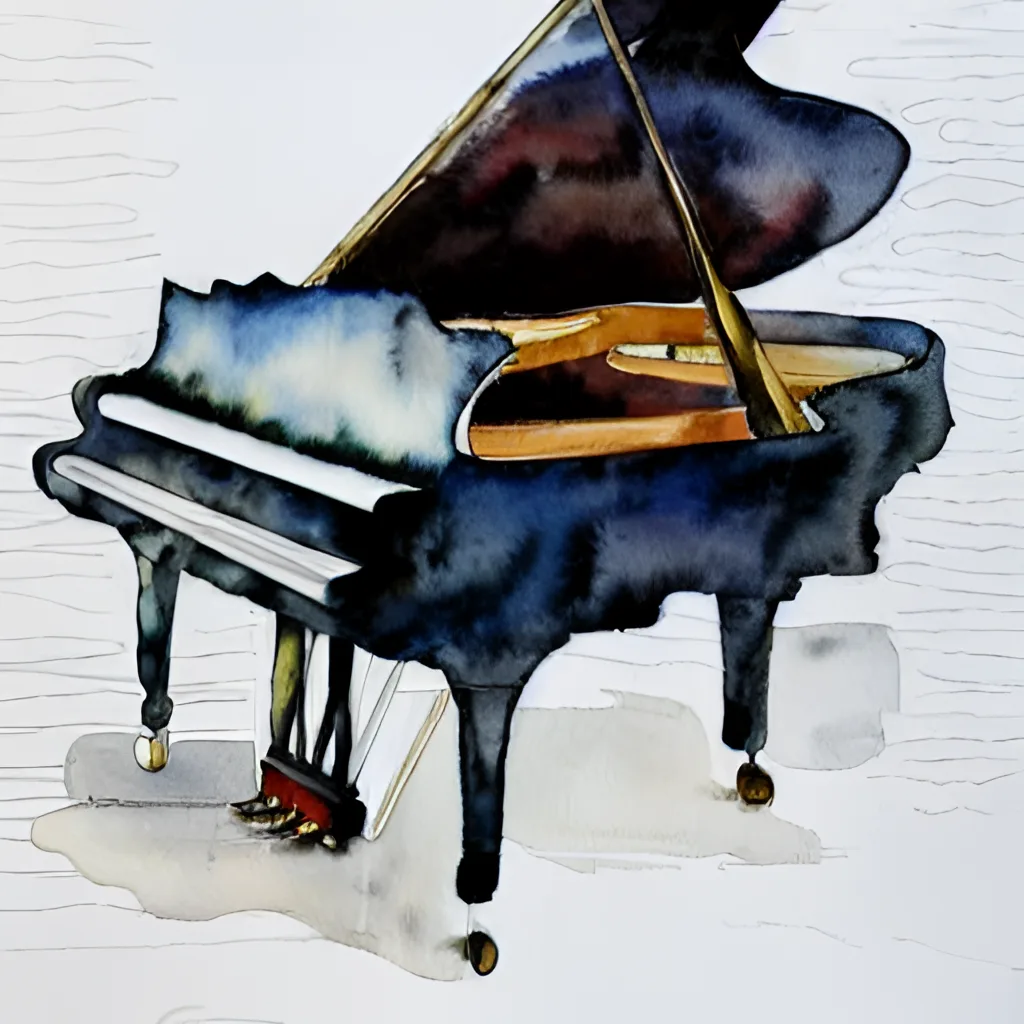
The piano we know today and the instrument people sat down to play in the eighteenth and early nineteenth centuries belong to the same family, yet they differ clearly in sound and touch. The earlier instrument is often called a fortepiano (forte-piano), meaning that it could already play loud and soft, but still had lighter hammers, thinner strings, a resonance that faded sooner, and often a narrower range. The later piano gradually became louder, with longer resonance, a wider range, and keys that were deeper and heavier. Knowing these differences is not about deciding which is "more correct", but about hearing that works from different periods were written for sounds that were not the same. If a learner uses the very loud, very long sound of today's instrument to imagine phrases from early Beethoven or the age of Mozart, the dynamics in the score can suddenly seem not enough, when in fact the point of reference has changed. When you get the chance to hear a recording of a restored fortepiano, or visit an exhibition, first notice how quickly the sound closes off, then go back to the modern piano and try to leave a similar space in your touch. This article talks only about changes in the instrument itself and does not mention the name of any maker.
The Range Changed Too
The range of early pianos was usually narrower than the eighty-eight keys common today, and some works never reach the lowest or highest notes.
Later, as the range expanded, composers gradually began to use the more distant notes as new colours.
In works from around 1800 to the early nineteenth century, the end of the score may still lie inside today's keyboard, and this is normal.
Loud and Soft in the Name
The name forte-piano stresses that the instrument could already play both louder and softer sounds, unlike the harpsichord, which cannot freely vary dynamics.
Names in early sources were not consistent. Today "fortepiano" is used for the earlier pianos to distinguish them from modern instruments.
You've read 30% of this article
Log in for free to read the remaining 70%
- Free to use
- No credit card needed
Plus, try Premium free for 7 days in the TIGA ALPHA app.
Continue with Google Sign up free Already a member? Log inWhat matters is not the name but hearing the difference between the two sounds.
Resonance and Volume
On earlier pianos, the sound came up quickly and faded quickly, and rarely held a chord for a long time as the modern piano does.
The upper limit of volume was also more restrained, better suited to smaller rooms.
So a forte in the score does not automatically equal a very loud sound on today's instrument.
What to Listen for Between the Fortepiano and the Modern Piano
If you can find a reliable recording of a fortepiano, first listen to how the same short piece ends and is layered on the two instruments.
Notice not which version is more ornate, but how fast the sound fades, how high the loud notes can go, and how much pedal is used.
After comparing, you will often find it easier to decide where to leave a space when you return to your own piano.
What to Remember About the Fortepiano and the Modern Piano
They belong to one family, but the early instrument has a shorter resonance and a more restrained volume, while the modern piano is louder, longer-sounding and wider in range.
The aim of understanding the differences is to give you a more suitable sound reference when reading a score, not to rank them.
On today's piano you can also use less pedal and more measured loudness to come closer to earlier phrasing.
How to Use This Understanding in Practice
You do not need to own a fortepiano. On a modern piano you can try to make the sound close off more cleanly, with shorter resonance.
For example, use less pedal, do not open up to full volume at once where there is a forte, and let the phrase speak for itself.
The aim is not to imitate exactly, but to make the phrasing of older works make more sense.
Touch and Hammers
Lighter hammers and a shallower key depth make many fast figures and fine gradations easier to achieve with smaller movements.
The touch of a modern piano is usually deeper and heavier, and producing the same clarity of layers often takes some getting used to.
Knowing something about both kinds of touch makes it easier to see why some early fingerings feel hard work on today's piano.
- Early pianos and modern pianos belong to one family, yet differ in sound and touch
- Early instruments have shorter resonance, more restrained volume and often a narrower range
- Later pianos are louder, with longer resonance, a wider range and deeper touch
- Knowing the differences helps place older works back in the sound they may originally have had

Trying Shorter Resonance With Teacher Aum in Lessons
In lessons, you can ask Teacher Aum to listen to whether the same phrase comes closer to earlier phrasing with less pedal.
If a passage sounds too full or the resonance too long on today's piano, you can also ask your teacher to try bringing the dynamics down a notch together.
From the differences between the two kinds of piano, practise placing older works back in the sound they may have had.
FAQ
Q: Are the fortepiano and today's piano completely different instruments?
A: No. They belong to one family, but differ clearly in sound, touch and range.
Q: What is the most noticeable difference in sound for early pianos?
A: The resonance is shorter, the volume more restrained, and forte does not mean today's very loud.
Q: Is understanding these differences meant to prove which piano is better?
A: No. It is to place works from different periods back in the sound they may originally have been written for.
Q: Without a fortepiano, how can I come closer on a modern piano?
A: Use less pedal, do not open up to full volume at once where there is a forte, and let the phrase speak for itself.
Q: Why might the range of early works not reach both ends of today's keyboard?
A: Instruments then often had a narrower range, and some notes were not yet on the keyboard.
Start practising with TIGA ALPHA
TIGA ALPHA is an AI piano teaching app built by a team in Thailand. The app is available in 10 languages: Thai, English, Chinese, Arabic, Japanese, Russian, Spanish, French, Hindi and Korean. Its CEO, Teacher Aum, has 20 years of experience teaching piano, and that teaching background shapes every lesson. When you play, the app listens and tells you which notes or beats to practise next, so the feedback is specific rather than generic. Use it as an online piano lessons app for short daily sessions, follow it as a complete online piano course, or combine it with lessons from a teacher. Whether you are starting from scratch, coming back after a long break, learning music alongside your children or simply playing for fun, your next step stays clear. New users get a 7-day free Premium trial, then US$24.99 per month.
- Download and start: TIGA ALPHA
- In-person lessons in Thailand: TIGA Studio
- About the company: tigaalpha.com