1742: Handel's Messiah Premieres in Dublin
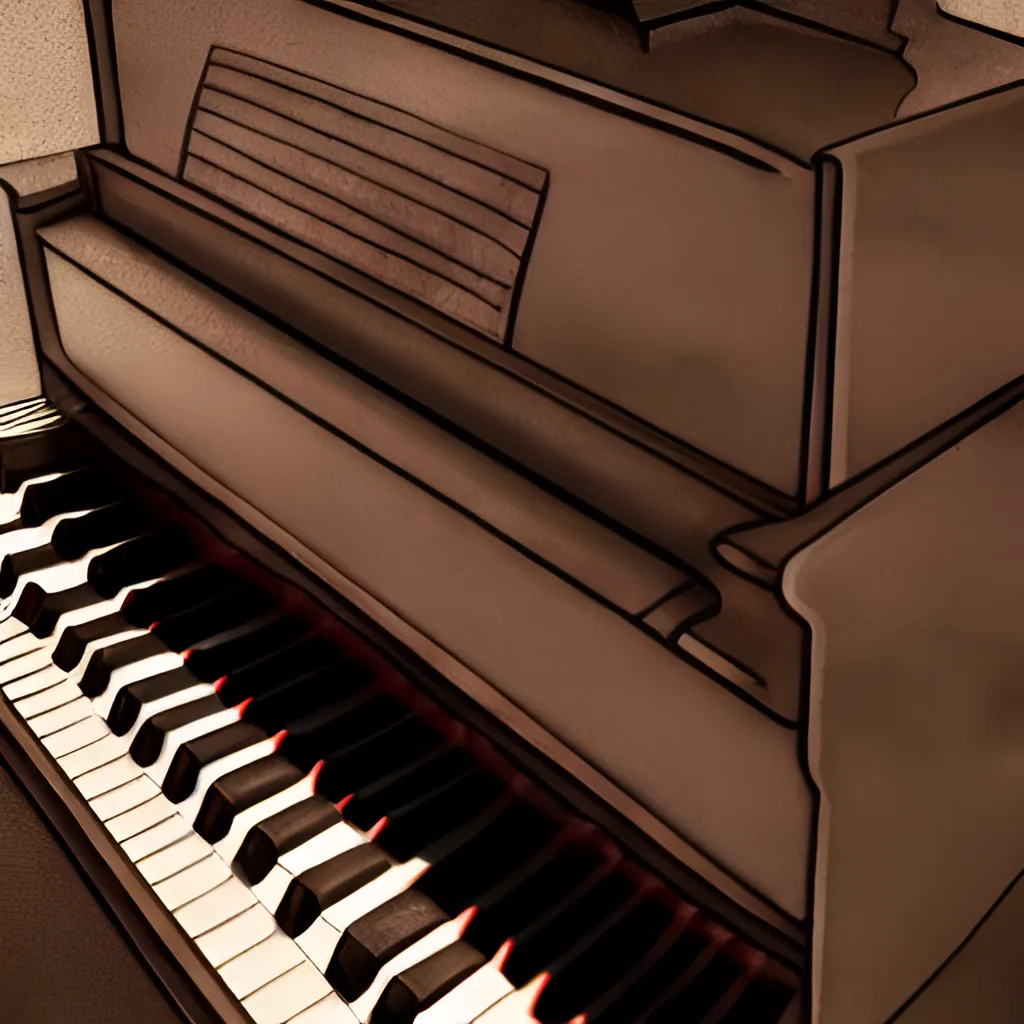
Handel's oratorio Messiah is one of the most famous works in Western choral music, and almost everyone has heard its "Hallelujah" chorus. Its first performance was not in London, where Handel lived for many years, but in Dublin, Ireland, on 13 April 1742. It was a charity concert, and the audience was so large that the organisers asked ladies beforehand not to wear hooped skirts and gentlemen not to wear swords, so that more people could fit in. Here is the story of the work's premiere.
The "Hallelujah" Chorus
The second part of Messiah ends with the "Hallelujah" chorus, which is grand in scale, with a simple and powerful melody.
This chorus is often sung on its own and can be heard on many occasions.
The voice parts sing "Hallelujah" in turn, a fine example of polyphonic and homophonic writing combined.
A Score That Kept Changing
In later performances Handel often altered parts of Messiah to suit his singers.
As a result, the work survives in many different versions.
Performers today have to choose among these versions.
The Journey of a Work
From three weeks of writing in the summer of 1741, to the charity premiere in Dublin, to the annual performances in London, Messiah has had an unusual journey.
Today it is performed regularly in concerts all over the world.
This history also reminds us that the fate of a work is often closely tied to the setting in which it is performed.
Accompanying a Choir
Many choirs rehearse Messiah with a piano in place of the orchestra.
The piano accompaniment must give the rhythm and harmony clearly, to help the choir come in.
This kind of accompanying is also one way for piano learners to meet choral music.
- In the summer of 1741, Handel wrote the full score in about three weeks
- First performed in Dublin on 13 April 1742
- The premiere was a charity concert
- The "Hallelujah" chorus is still performed today
Written in a Little Over Three Weeks
The words of Messiah were compiled from scripture by Charles Jennens.
You've read 30% of this article
Log in for free to read the remaining 70%
- Free to use
- No credit card needed
Plus, try Premium free for 7 days in the TIGA ALPHA app.
Continue with Google Sign up free Already a member? Log inIn the summer of 1741, Handel finished the full score in a little over three weeks.
Such speed was not unusual among composers of the time, but the scale and quality of the work have astonished later generations.
An Invitation to Dublin
In the autumn of 1741, Handel was invited to Dublin to give a series of concerts.
He travelled to Ireland with the newly written Messiah and spent a concert season there.
Dublin audiences welcomed his performances warmly.
Practising Polyphony with Messiah Arrangements
Quite a few melodies from Messiah have been arranged for piano, such as the "Hallelujah" chorus and some of the arias.
When you play these arrangements, think about how the different voices enter and answer one another in the chorus.
Bringing out the layers of several voices on the piano is excellent practice.
1743: Messiah Comes to London
In 1743 Messiah was performed in London, and at first the response was not as warm as in Dublin.
Some people thought it unsuitable to perform a religious work in a theatre.
Later, Handel performed Messiah every year for a charitable foundling hospital, and only then did it gradually become a household name in London.
Summary of the Messiah Premiere
Handel wrote Messiah in a little over three weeks in the summer of 1741. It was first performed in Dublin on 13 April 1742 as a charity concert, and the organisers asked the audience not to wear hooped skirts or swords so that more people could fit in.
The premiere was a great success. The early London performances met with a lukewarm response, but through annual charity performances the work gradually won people's hearts.
The "Hallelujah" chorus is still performed today. Handel kept revising the score and left several versions, and piano learners can meet the work through arrangements and choral accompaniment.
The Reception of the Premiere
According to reports at the time, the premiere was a great success and the audience was deeply moved.
The newspapers praised the music and the performance, and the proceeds helped charitable causes.
This success laid the foundation for the later performances of Messiah in London.

The Tradition of Standing
In some places the audience stands during the "Hallelujah" chorus, a custom said to go back to the eighteenth century.
There are different accounts of where the custom came from, and no definite record confirms any of them.
Today, whether people stand often depends on local performing tradition.
Handel's Situation in London
Handel (1685-1759) was born in Germany, later settled in London and became famous for Italian opera.
By the late 1730s, Italian opera was no longer so popular in London, and Handel turned to writing oratorios in English.
An oratorio needs no stage sets or costumes. It is performed by soloists, chorus and orchestra, and its subjects are mostly drawn from religious stories.
A Charity Premiere
The premiere of Messiah was set for 13 April 1742, with the proceeds going to charity.
Even the rehearsal drew a large crowd, and once word spread, everyone wanted to hear the first performance.
To let more people into the hall, the organisers asked ladies not to wear hooped skirts and gentlemen not to wear swords.
Frequently Asked Questions
Q: Where was Messiah first performed?
A: In Dublin, Ireland.
Q: On what date was the premiere?
A: 13 April 1742.
Q: How long did Handel take to write the full score?
A: A little over three weeks.
Q: Why were ladies asked not to wear hooped skirts to the premiere?
A: So that more people could fit into the hall.
Q: In which part is the "Hallelujah" chorus?
A: At the end of the second part.
Practise with TIGA ALPHA
TIGA ALPHA is an AI piano teaching app built by a team in Thailand. The app is available in 10 languages: Thai, English, Chinese, Arabic, Japanese, Russian, Spanish, French, Hindi and Korean. Its CEO, Teacher Aum, has 20 years of experience teaching piano, and that teaching background shapes every lesson. When you play, the app listens and tells you which notes or beats to practise next, so the feedback is specific rather than generic. Use it as an online piano lessons app for short daily sessions, follow it as a complete online piano course, or combine it with lessons from a teacher. Whether you are starting from scratch, coming back after a long break, learning music alongside your children or simply playing for fun, your next step stays clear. New users get a 7-day free Premium trial, then US$24.99 per month.
- Download and start: TIGA ALPHA
- In-person lessons in Thailand: TIGA Studio
- About the company: tigaalpha.com