The Hurdy-Gurdy: A Wheel, a Keyboard and a Constant Drone
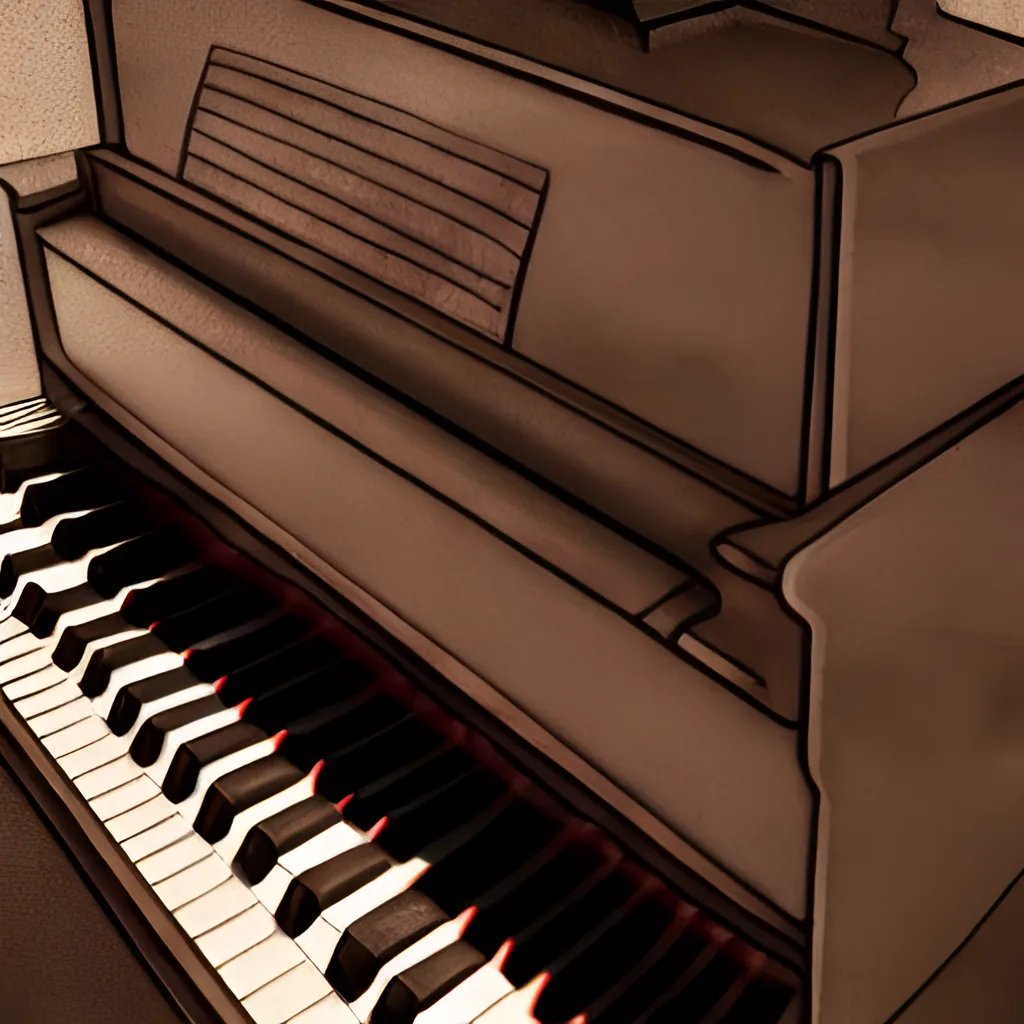
The hurdy-gurdy is a stringed instrument played by turning a crank that spins a rosined wooden wheel against the strings, a bit like an endless violin bow. Melody notes are chosen with a small keyboard of wooden keys, called tangents, that press against the melody strings to shorten them. Other strings sound a constant drone underneath, and a special buzzing bridge adds rhythmic accents when the player pulses the crank. The result is a rich, continuous sound that has been heard in European folk music for centuries and still appears in folk, early music and film soundtracks.
The parts that make the sound
The wheel
A smooth wooden wheel, coated with rosin, rubs the strings as the crank turns. As long as the wheel keeps moving, the notes keep sounding, so there is no natural decay like on a piano.
The keybox
The keys slide sideways into a box. When a key is pushed, a small tangent touches the melody string at a set point, changing its pitch. Releasing the key lets it fall back by gravity.
The drones
Drone strings run outside the keybox and always sound the same pitches, often the tonic and fifth of the key. They give the music a steady harmonic floor.
The buzzing bridge
One drone string rests on a loose bridge. A quick push on the crank makes this bridge tap against the soundboard, producing a rhythmic buzz. Skilled players use these buzzes like a built-in percussion part.
A keyboard that works differently
Pianists often find the hurdy-gurdy keyboard fascinating. The keys are pushed rather than pressed down, and they control pitch rather than starting the sound. The right hand chooses notes while the left hand creates the sound itself by turning the crank.
You've read 29% of this article
Log in for free to read the remaining 71%
- Free to use
- No credit card needed
Plus, try Premium free for 7 days in the TIGA ALPHA app.
Continue with Google Sign up free Already a member? Log inThat division is a useful idea to think about at the piano, where one finger both chooses and starts a note. On the hurdy-gurdy, rhythm and pitch come from different hands, so players develop a strong sense of rhythmic independence.
- The crank hand controls volume, steadiness and rhythmic buzz accents.
- The key hand controls melody, ornaments and phrasing.
- The drones provide constant harmony without any extra effort.
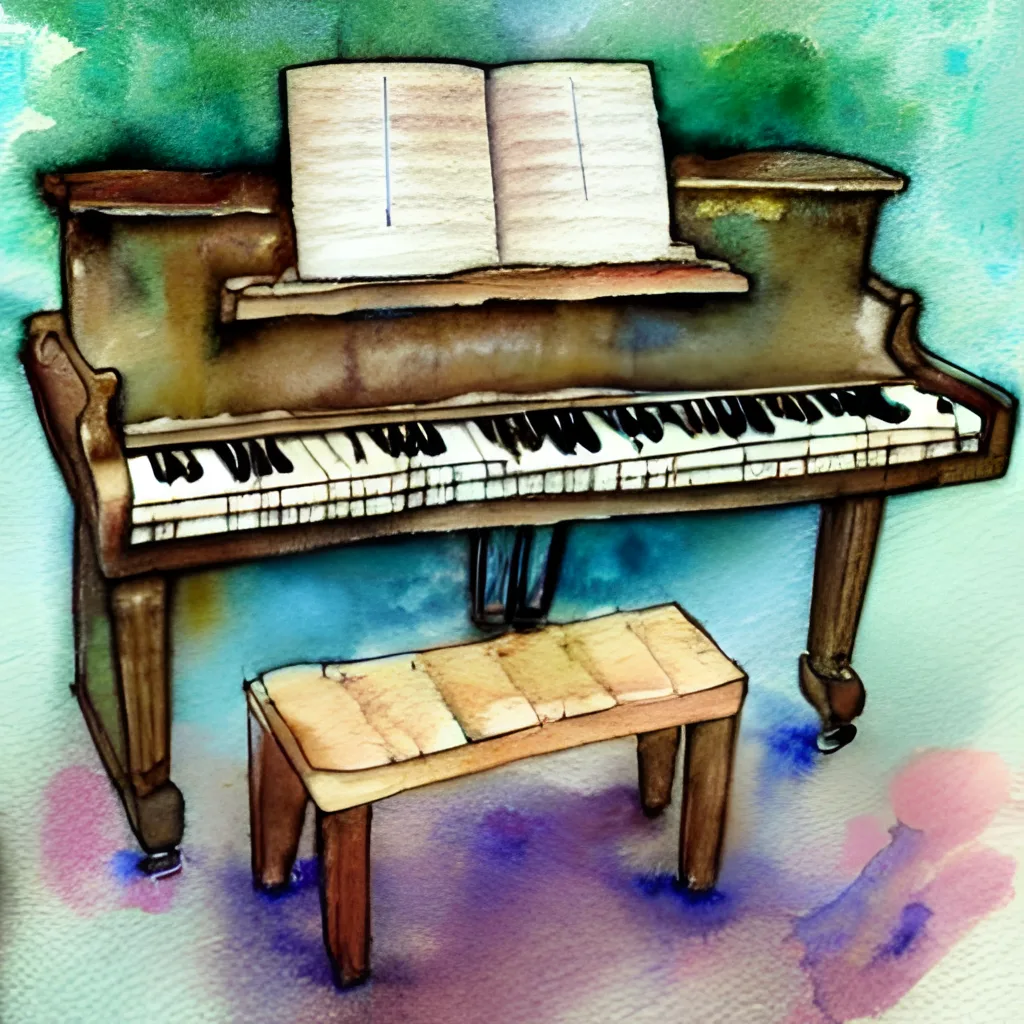
Living with a drone
Because the drone never stops, every melody note is heard against the same bass. Some notes blend smoothly, while others create tension that resolves when the tune returns to a stable note. Tunes for the instrument are often written so that this pull between tension and rest feels satisfying.
This makes the hurdy-gurdy a good teacher for anyone exploring modes and folk melodies. A tune that seems plain on its own can sound rich over a drone.
Hurdy-gurdy ideas at the piano
You can borrow its sound and logic in your own practice:
- Hold a low open fifth in the left hand with the sustain pedal, and play a simple folk melody above it.
- Repeat the left-hand fifth in a steady rhythm to imitate the crank, adding a slight accent on some beats like the buzzing bridge.
- Try the same melody in different modes over the same drone and listen to how the mood shifts.
- Add short ornaments, such as quick neighbour notes, which suit the drone style.
From crank to code
The hurdy-gurdy is a reminder that instrument makers have always experimented with new ways of producing and controlling sound. A wheel instead of a bow, keys instead of fingers on a string, buzzing accents instead of a drummer: each idea solved a musical problem in a creative way.
Music technology still works this way. Synthesisers can hold drones indefinitely, software can add rhythmic accents automatically, and AI tools can respond to a player in real time. An AI piano teaching app such as TIGA ALPHA listens as a learner plays and offers feedback on notes and timing, applying the same spirit of invention to the way people practise.
What to notice when a hurdy-gurdy plays
When you hear hurdy-gurdy music, try to notice:
- The steady drone and the notes it is built on.
- The rhythmic buzz patterns, and how they line up with the melody.
- How the melody uses ornaments instead of changes in loudness to add expression.
FAQ
Q: Is the hurdy-gurdy a keyboard instrument?
A: It is a stringed instrument with a keyboard mechanism. The keys change pitch, but a turning wheel makes the strings sound.
Q: Why does the hurdy-gurdy sound continuous?
A: The wheel keeps rubbing the strings as long as the crank turns, so notes do not fade away the way struck piano strings do.
Q: What is the buzzing sound?
A: It comes from a loose bridge under one drone string that taps the soundboard when the player pushes the crank briefly faster.
Q: Can I play hurdy-gurdy tunes on piano?
A: Yes. Use a held drone fifth in the left hand and keep the melody light and ornamented in the right hand.
Get started with TIGA ALPHA
TIGA ALPHA is an AI piano teaching app built by a Thai team, with lessons in 10 languages: Thai, English, Mandarin, Arabic, Japanese, Russian, Spanish, French, Hindi and Korean. Its CEO, Teacher Aum, has 20 years of experience in piano teaching, and that music teaching background shapes every lesson, while piano teaching with AI gives you feedback each time you play piano. Use it as an online piano lessons app for short daily sessions, follow it as a complete AI online piano course, or combine it with a piano course or piano learning course led by a teacher. Whether you want to learn piano from zero, learn piano online after a long break, learn music alongside your children or simply play music for fun, this online piano teaching application keeps your next step clear. New users get a 7-day free Premium trial, then US$24.99/month. Open the piano teaching app below and pick a first lesson that fits your week.
- Download and start: TIGA ALPHA landing page
- In-person lessons in Thailand: TIGA Studio
- About the company: tigaalpha.com
The hurdy-gurdy reminds every keyboard player that a key is simply a way of choosing a sound, and the musician decides what that sound should do.