John Field's Nocturnes: A New Kind of Piano Piece, Published in 1812

John Field (1782-1837), born in Dublin, was both a pianist and a composer. In 1812 he published the first few piano pieces called "nocturnes": the right hand plays a melody that sounds like singing, while the left hand accompanies with wide broken chords, and together with the pedal they create a calm, lyrical atmosphere of night. He wrote a dozen or so nocturnes in his lifetime and is regarded as the founder of this piano genre. Chopin later developed the nocturne into something much richer, but Field's nocturnes are still good material for understanding where the genre began.
- An Irish pianist and composer, 1782 to 1837
- Published his first few nocturnes in 1812
- A singing melody in the right hand, wide broken chords in the left
- Regarded as the founder of the nocturne genre
Like an Operatic Aria
The melodies of Field's nocturnes were influenced by Italian opera arias.
Keep this in mind
The ornaments in the melody are like the florid embellishments a singer adds in performance.
When you play, make the melody sing, with breath and with rise and fall.
Playing Field's Nocturnes on the Piano
Field's nocturnes are of moderate difficulty, and many suit players at an intermediate level.
The melody in the right hand should be played smoothly and with a singing tone, and the ornaments should be light and natural.
The broken chords in the left hand should be even and gentle, and should not cover the right hand.
John Field's Nocturnes in Summary
John Field was born in Dublin in 1782 and died in 1837. He made his stage debut at nine, later went to London to study the piano with Clementi, and in 1802 toured continental Europe with his teacher. He then spent most of his life in St Petersburg and Moscow, and was known for a soft, delicate way of playing. In 1812 he published his first few nocturnes, applying the name "nocturne" to a new kind of lyrical piano miniature.
You've read 27% of this article
Log in for free to read the remaining 73%
- Free to use
- No credit card needed
Plus, try Premium free for 7 days in the TIGA ALPHA app.
Continue with Google Sign up free Already a member? Log inThe right-hand melody of a nocturne has many ornaments, influenced by Italian arias, and the left hand uses broken chords spanning more than an octave, together with the pedal. He wrote a dozen or so nocturnes in his lifetime. Chopin was influenced by them when he was young and later wrote more than twenty, and Liszt edited and published Field's nocturnes with a preface. Nocturnes are of moderate difficulty, and you can play them alongside Chopin's nocturnes for comparison.
You can ask Teacher Aum to recommend a suitable nocturne.
Asking Your Teacher to Recommend a Field Nocturne
In a lesson, you can ask Teacher Aum to recommend a Field nocturne that suits your level.
Your teacher can also help you practise the singing quality of the right-hand melody and how to play the ornaments.
Start with Field's nocturnes to understand the origins of the genre.
Comparing with Chopin's Nocturnes
You can play and listen to one of Field's nocturnes together with one of Chopin's.
Notice what the two composers have in common and where they differ in melody, harmony and structure.
This can help you understand how the nocturne genre developed.
The Pedal in Field's Nocturnes
The widely spaced notes in the left hand cannot be held by the fingers alone, and need to be supported by the sustain pedal.
When Field's bass note changes, the foot changes too, so the night does not blur into a muddle.
First make the right-hand song connect even without the pedal, and only then ask your foot to help.
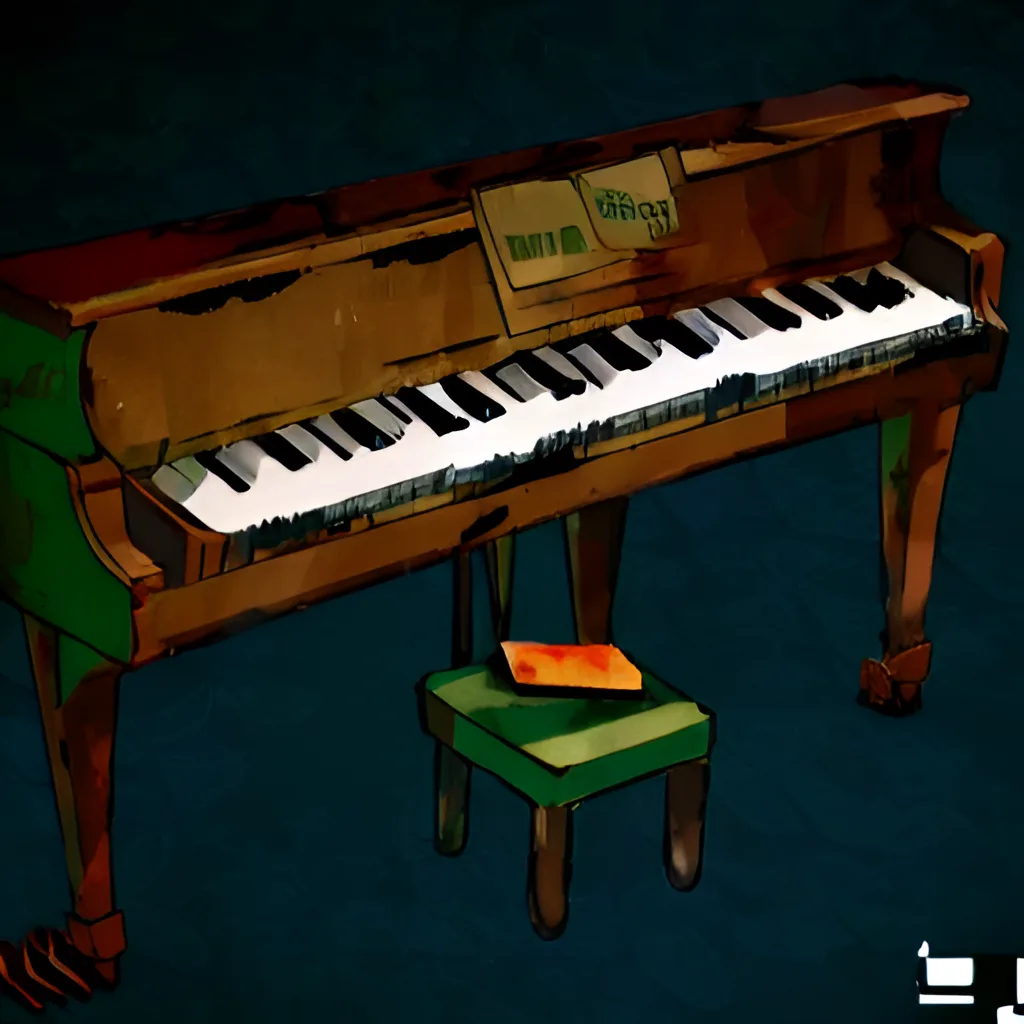
Features of the Nocturne
In Field's nocturnes, the right hand plays a melody that sounds like singing, with many ornaments.
The left hand accompanies with wide broken chords, often spanning more than an octave.
With the sustain pedal, the broken chords in the left hand join into a soft backdrop that sets off the right-hand melody.
Life in Russia
Field spent most of his life in St Petersburg and Moscow in Russia.
He performed and taught there, was very popular, and had many students.
His playing was known for a soft, delicate tone, quite unlike some of the virtuoso pianists of the day.
The Nocturnes of 1812
In 1812, Field published his first few piano pieces called "nocturnes".
The name "nocturne" had originally been used for other kinds of music; Field applied it to a new kind of lyrical piano miniature.
These pieces are short and quiet, like a song of the night.
Liszt's Assessment
Liszt later edited and published Field's nocturnes, and wrote a preface for them.
In the preface he praised Field's nocturnes, believing they opened up a new kind of piano music.
This shows that Field's nocturnes were already valued in their own time.
Field's Childhood
John Field was born in Dublin, Ireland, in 1782, into a family of several generations of musicians.
He began learning the piano very young, and gave his first public performance in Dublin at the age of nine.
Later, he moved with his family to London, England.
A Dozen or So Nocturnes
Field wrote a dozen or so nocturnes in his lifetime, all quite similar in style: quiet and lyrical.
Some of the nocturnes were published only late in his life, and some were later renamed.
Today these works are often published together in a single collection of nocturnes.
Influence on Chopin
Chopin was already familiar with Field's nocturnes when he was young, and was influenced by them.
Chopin later wrote more than twenty nocturnes, developing the genre into something richer and deeper.
But Field's nocturnes laid the foundation for Chopin.
Studying with Clementi
In London, Field studied the piano with Clementi, a pianist born in Italy.
Clementi was strict about his technique, and Field's playing improved quickly.
Listen closely
In 1802, Field went with Clementi on a tour of continental Europe, and later arrived in Russia.
FAQ
Q: Where was John Field from?
A: Dublin, Ireland.
Q: In what year did he publish his first nocturnes?
A: 1812.
Q: Who did he study with?
A: Clementi.
Q: In which country did he spend most of his life?
A: Russia.
Q: What is special about the left hand in a nocturne?
A: Wide broken chords, often spanning more than an octave.
Start practising with TIGA ALPHA
TIGA ALPHA is an AI piano teaching app built by a team in Thailand. The app is available in 10 languages: Thai, English, Chinese, Arabic, Japanese, Russian, Spanish, French, Hindi and Korean. Its CEO, Teacher Aum, has 20 years of experience teaching piano, and that teaching background shapes every lesson. When you play, the app listens and tells you which notes or beats to practise next, so the feedback is specific rather than generic. Use it as an online piano lessons app for short daily sessions, follow it as a complete online piano course, or combine it with lessons from a teacher. Whether you are starting from scratch, coming back after a long break, learning music alongside your children or simply playing for fun, your next step stays clear. New users get a 7-day free Premium trial, then US$24.99 per month.
- Download and start: TIGA ALPHA
- In-person lessons in Thailand: TIGA Studio
- About the company: tigaalpha.com