Khachaturian's Sabre Dance: A Breathless Number from Gayane

The Sabre Dance comes from the ballet Gayane by the Armenian-Soviet composer Aram Khachaturian, which premiered in 1942. It is said that the Sabre Dance was added shortly before the ballet's premiere and was written very quickly. The music is driving, with the xylophone hammering out a ceaseless repeated figure and the brass and snare drum roaring, depicting a fierce dance in which the dancers wave their sabres. It later became one of the composer's most widely known works, often heard in concerts, on television and in sports performances. On the piano, it is excellent material for practising fast repeated notes and strong rhythm.
Folk Colour in the Sabre Dance
In the Sabre Dance, Khachaturian used many rhythmic features of folk dances from the Caucasus region.
For example, strong accents, fast rhythms and constantly repeated figures.
These features fill the music with an exotic flavour.
Arrangements of the Sabre Dance
There are many piano arrangements of the Sabre Dance, including solo versions and piano duet versions.
Simplified versions usually lower the speed and reduce the number of repeated notes.
You can choose an arrangement that suits your own level.
The Figures in the Sabre Dance
At the start of the Sabre Dance, the orchestra hammers out a driving rhythm with strong repeated notes.
The xylophone plays the main melody in the high register, with note after note repeating the same pitch quickly.
This repeated figure is like the quick waving of sabres, full of tension.
The Saxophone in the Middle Section
Between the fast themes there is a more lyrical middle section, in which the saxophone and cello play a broad melody.
This melody has the flavour of Armenian folk song, and contrasts with the urgency before and after it.
Then the fast theme returns and drives the music to the end.
Dynamics in the Sabre Dance
The piece is loud for most of the time, but there are changes in dynamics too.
The lyrical melody in the middle section should be played broadly and singingly, in contrast to the urgency before and after it.
The ending should grow stronger and stronger, finishing on a powerful chord.
You've read 30% of this article
Log in for free to read the remaining 70%
- Free to use
- No credit card needed
Plus, try Premium free for 7 days in the TIGA ALPHA app.
Continue with Google Sign up free Already a member? Log inThe Ballet Gayane
Gayane is a ballet by Khachaturian, which premiered in 1942.
The ballet tells a story set on a collective farm in Armenia, and its heroine is a young woman named Gayane.
The ballet has many dance scenes based on folk dances, with clear rhythms and lots of energy.
Relaxing Your Wrists in the Sabre Dance
When you play fast, powerful pieces like this, your wrists easily get tense.
Remember to relax your wrists between phrases, and do not keep them rigid all the time.
The power should come from the weight of your arm, not from pressing hard with your fingers.
Who Was Khachaturian
Aram Khachaturian was born in 1903 and died in 1978. He was an Armenian-Soviet composer.
He was born in Tbilisi, Georgia, and only began to study music formally at the age of nineteen.
His music often blends in elements of Armenian and Caucasian folk music, and is richly coloured.
The Composer's Frustration
The Sabre Dance became extremely widely known and often appears in all kinds of performances and programmes.
It is said that Khachaturian later felt somewhat helpless about how over-popular the piece became, because its fame overshadowed many of his other works.
His Violin Concerto, Piano Concerto and the ballet Spartacus are equally well worth listening to.
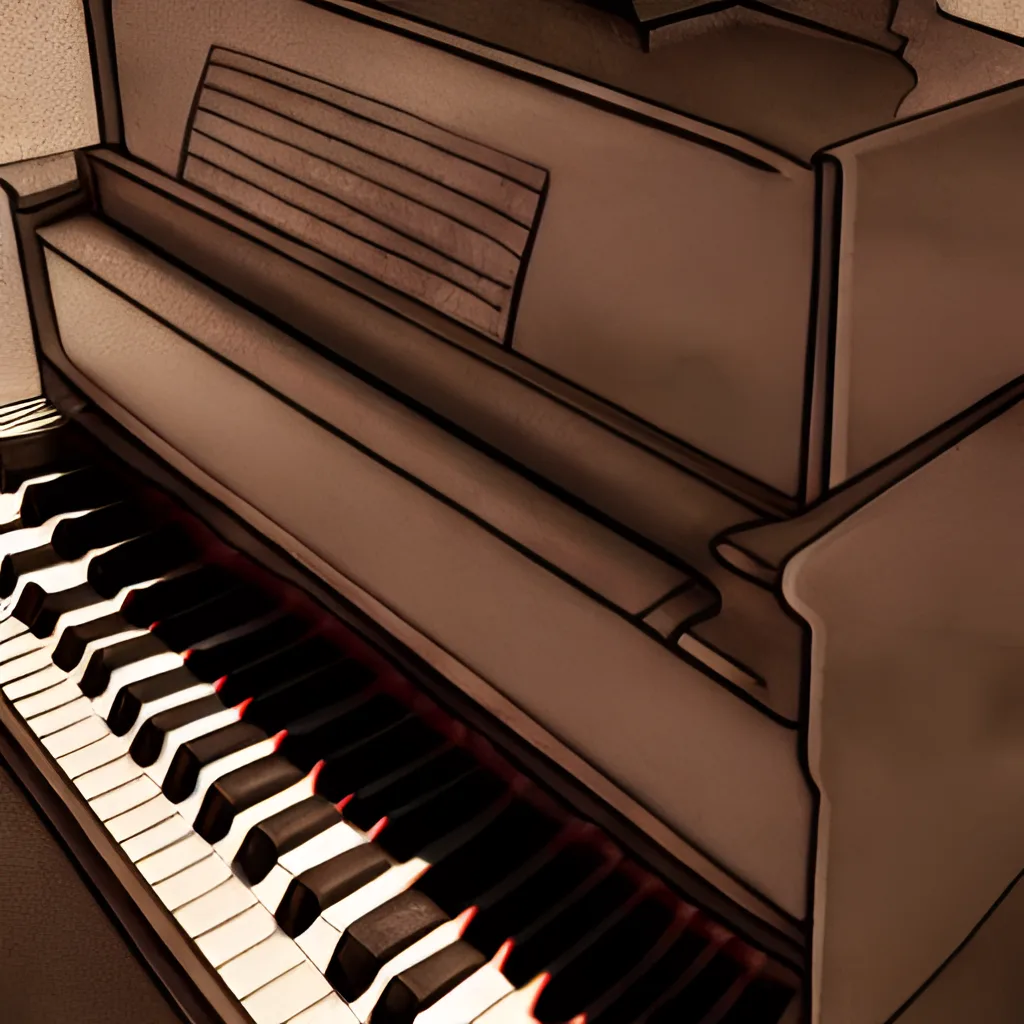
Repeated Notes on the Piano
The biggest difficulty in playing the Sabre Dance on the piano is the fast repeated notes.
When repeating the same note quickly, a common method is finger changing, for example using fingers three, two and one in turn on the same key.
Changing fingers keeps every note clear, and your hand does not tire so easily.
- It comes from Khachaturian's ballet Gayane
- The ballet premiered in 1942
- It is said to have been added shortly before the premiere
- The xylophone hammers out a ceaseless repeated figure
Ask Your Teacher About Finger Changes in Your Lesson
In your lesson, you can ask Teacher Aum to demonstrate how to play fast repeated notes using finger changes.
Your teacher can also help check whether your wrists are relaxed and your rhythm is steady.
This piece is very good for practising repeated notes and strong rhythm.
The Rhythm of the Sabre Dance
The rhythm of this piece is very strong, and every accent needs to be clear and powerful.
First practise slowly with a metronome to get the rhythm accurate, then gradually speed up.
Even when you play fast, keep the rhythm steady and do not let it fall apart.
Sabre Dance Summary
Aram Khachaturian was born in 1903 and died in 1978. He was born in Tbilisi, only began studying music formally at nineteen, and blended Armenian and Caucasian folk elements into his music. The ballet Gayane premiered in 1942 and tells the story of a woman on a collective farm. The Sabre Dance is said to have been written quickly, shortly before the premiere, at the request of the choreographer.
It opens with strong repeated notes, with the xylophone repeating the same note quickly in the high register. The middle section has a broad melody played by the saxophone and cello. It is said that the composer later felt somewhat helpless about its over-popularity, and his Violin Concerto, Piano Concerto and Spartacus are also worth listening to. On the piano, use finger changes of three, two and one for the repeated notes, keep the rhythm steady and your wrists relaxed, and let the power come from arm weight.
You can ask Teacher Aum to demonstrate the finger-changing method.
A Dance Written in a Hurry
It is said that shortly before the ballet's premiere, the choreographer wanted one more lively dance.
Khachaturian wrote the Sabre Dance in a very short time.
Remember this
Unexpectedly, this hastily written music later became one of the most widely known parts of the whole ballet.
FAQ
Q: Which work does the Sabre Dance come from?
A: Khachaturian's ballet Gayane.
Q: In which year did the ballet premiere?
A: 1942.
Q: Which instrument plays the main theme at the start?
A: The xylophone.
Q: Which instruments play the middle section?
A: The saxophone and cello.
Q: How do I play fast repeated notes on the piano?
A: Change fingers, using three, two and one.
Start Practising with TIGA ALPHA
TIGA ALPHA is an AI piano teaching app built by a team in Thailand. The app is available in 10 languages: Thai, English, Chinese, Arabic, Japanese, Russian, Spanish, French, Hindi and Korean. Its CEO, Teacher Aum, has 20 years of experience teaching piano, and that teaching background shapes every lesson. When you play, the app listens and tells you which notes or beats to practise next, so the feedback is specific rather than generic. Use it as an online piano lessons app for short daily sessions, follow it as a complete online piano course, or combine it with lessons from a teacher. Whether you are starting from scratch, coming back after a long break, learning music alongside your children or simply playing for fun, your next step stays clear. New users get a 7-day free Premium trial, then US$24.99 per month.
- Download and start: TIGA ALPHA
- In-person lessons in Thailand: TIGA Studio
- About the company: tigaalpha.com