What Is a Melodica? A Keyboard Instrument Played with Breath
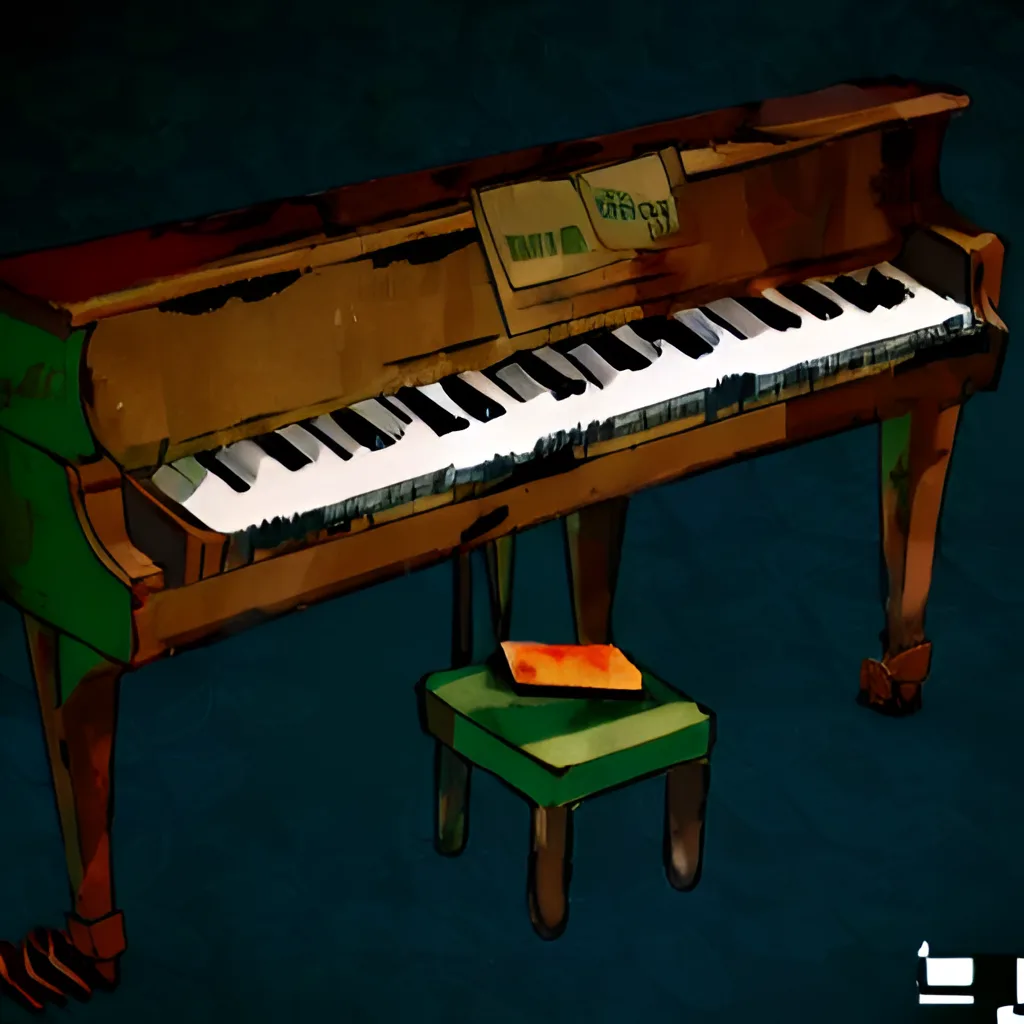
The melodica is a small instrument that combines a keyboard with wind playing. The player sends air into the body through a mouthpiece or tube while pressing keys with the fingers. The key that is pressed opens the matching air hole, making a metal reed inside vibrate and sound. Its keyboard has black and white keys laid out just like a piano, so anyone who has learned piano can pick it up easily, but the length and strength of each sound are controlled by the breath, which is similar to a wind instrument. In school music lessons in many places, the melodica is light and easy to use in groups, so it is often used as a first instrument for getting to know the keyboard.
Where the sound comes from
The melodica is a "free reed" instrument. Under each key there is a metal reed fixed in a frame, and its length and thickness decide the pitch. When air passes through, the reed vibrates back and forth and makes a sound.
- The keys only "open the door": pressing a key just opens the air path to one reed. It does not make a sound by itself.
- The breath makes the sound: without airflow, pressing a key gives no sound.
- Airflow affects volume: the harder you blow, the louder it gets, but blowing too hard makes the tone harsh.
Like an accordion or a harmonica, the reeds of a melodica do not need regular tuning the way strings do. Everyday care mainly means keeping it dry and clean.
What is the difference between a mouthpiece and a tube
Short mouthpiece
The mouthpiece plugs straight into the body, and the instrument is held out in front of you, usually played with the right hand. This suits standing playing and marching or group formations.
Long tube
With a tube attached, you can lay the melodica flat on a table and play with both hands, so it looks more like playing a small keyboard. A tube is more convenient for practising while seated and for playing chords.
Whichever you use, a mouthpiece is a personal item. It is best for each person to have their own, and to wash and dry it after use. This matters especially in group classes.
You've read 29% of this article
Log in for free to read the remaining 71%
- Free to use
- No credit card needed
Plus, try Premium free for 7 days in the TIGA ALPHA app.
Continue with Google Sign up free Already a member? Log inBreath and tonguing: lessons the piano does not give you
On the piano a note begins to fade as soon as it is struck, but on the melodica a note can be held, or even made louder, as long as the breath continues. This gives the player another way to express music and also brings new things to practise.
- Long notes: choose a note and fill four beats with a steady airflow. Listen for an even volume and a clean ending.
- Crescendo and diminuendo: on one long note, slowly increase the airflow and then slowly reduce it, to feel "dynamic change within one breath".
- Tonguing: while blowing, touch the tip of the tongue lightly as if saying "du" to separate a string of repeated notes. This is called tonguing, and it makes staccato clearer.
- Where to breathe: breathe at the end of a phrase, just as in singing. You can first mark the breathing points on the music with small symbols.
If you feel dizzy or unwell while practising, stop and rest. There is no need to force long notes.

How the melodica and piano work together
Getting to know the keyboard
The melodica keyboard is laid out the same as the piano's. A child can first get used to the groups of black keys, middle C and simple melodies on the melodica, and will then find their way more quickly when sitting down at the piano.
Feeling the phrase
Because they must breathe, melodica players naturally notice where a phrase begins and where it ends. Bring that feeling back to the piano and the melody will sound more as if it is "singing", rather than being struck one note at a time.
Playing in an ensemble
The melodica is easy to carry and suits several people playing different parts together. For piano students it is a relaxed supplement for experiencing listening and cooperation in an ensemble.
Everyday storage and care
The melodica is simple in structure, but its reeds and air paths are afraid of damp and dust. The breath you exhale carries moisture that condenses inside the body, and if it is left for a long time it may affect the sound.
- After playing, hold down the water release key and tilt the body gently so the moisture drains out.
- Before putting it in the case, let the body air out in a ventilated place. Do not leave it in direct sunlight or near a heat source.
- Take off the tube and mouthpiece and wash them separately, and put them back once dry.
- Do not push anything into the air holes, and do not slap the body hard.
The design thinking behind a small instrument
The melodica's design uses very few parts to solve the problem of carrying a row of keys with you: no strings, no electricity and no complicated hammer action. Today's music technology does something similar in a different direction, for example putting practice feedback into a phone so that learning is not limited by place. TIGA ALPHA is a piano learning app that puts AI listening into a phone: you play on a digital or acoustic piano, and the app helps find the notes and beats that need more practice. The little melodica reminds us that good design often makes it easier to start playing.
Frequently asked questions
Q: Does a melodica need tuning?
A: The pitch of the reeds is fairly stable, and generally it does not need regular tuning like a piano. If one note is clearly out of tune, you can ask a professional to check it.
Q: If a child learns the melodica first and then the piano, will they get confused?
A: The keyboard layout is the same, so they usually will not be confused, and it even helps with learning the keys. The touch and the way the sound is made are different, though, so they need to adapt to each separately.
Q: How do I clean the mouthpiece?
A: Rinse it with warm water and store it once it is dry. The moisture inside the body can be drained by opening the water release key as described in the instructions.
Q: Can a melodica play chords?
A: Yes, you can press several keys at once, but the airflow is divided between them, so you need to blow a little harder and watch the volume balance.
Practise with TIGA ALPHA
TIGA ALPHA is an AI piano teaching app built by a team in Thailand. The app is available in 10 languages: Thai, English, Chinese, Arabic, Japanese, Russian, Spanish, French, Hindi and Korean. Its CEO, Teacher Aum, has 20 years of experience teaching piano, and that teaching background shapes every lesson. When you play, the app listens and tells you which notes or beats to practise next, so the feedback is specific rather than generic. Use it as an online piano lessons app for short daily sessions, follow it as a complete online piano course, or combine it with lessons from a teacher. Whether you are starting from scratch, coming back after a long break, learning music alongside your children or simply playing for fun, your next step stays clear. New users get a 7-day free Premium trial, then US$24.99 per month.
- Download and start: TIGA ALPHA
- In-person lessons in Thailand: TIGA Studio
- About the company: tigaalpha.com
One breath and a row of keys can carry a melody a long way.