Premiere in a POW Camp, 1941: Messiaen's Quartet for the End of Time

In 1940, during the Second World War, the French composer Messiaen was captured and held in a prisoner-of-war camp near Görlitz in Germany. There he met a clarinettist, a violinist and a cellist, and so he wrote a work for these three instruments, plus the piano that he played himself: the Quartet for the End of Time. On 15 January 1941 the work was premiered in the camp, with prisoners and guards as the audience. It was a very special premiere in the history of music.
Another Angle
- Messiaen was captured in 1940 and held near Görlitz
- Written for clarinet, violin, cello and piano
- Premiered in the camp on 15 January 1941
- Inspired by the Book of Revelation in the Bible
Messiaen's Rhythm
Messiaen had many distinctive ideas about rhythm, such as using irregular, asymmetrical rhythms.
Little Tip
In the Quartet for the End of Time, the rhythm in some passages is extremely free, and sounds as if time has stopped.
This exploration of rhythm influenced many later composers.
Legend and Memory
Some stories have circulated about this premiere, for example that the cello had only three strings.
But the cellist Pasquier later said that his cello had four strings.
Details like this are often changed as they are passed on, so when learning about them, take care to tell memory from legend.
Hearing Messiaen's Harmony at the Piano
Messiaen's harmony is full of colour, and he said he could "see" the colours of chords.
At the piano, you can try slowly playing some chords from his works and listening to their colours.
His music is rather difficult, but you can begin with listening and appreciation.
The Inspiration for the Quartet for the End of Time
The inspiration for this work came from a passage in the Book of Revelation, in which an angel declares that "there shall be time no longer".
Messiaen was a devout Catholic, and many of his works are connected with his faith.
"The end of time" is meant in a religious sense, and it also relates to his thinking about musical rhythm.
A Composer Taken Prisoner
Messiaen was born in France in 1908 and was a composer and organist.
You've read 30% of this article
Log in for free to read the remaining 70%
- Free to use
- No credit card needed
Plus, try Premium free for 7 days in the TIGA ALPHA app.
Continue with Google Sign up free Already a member? Log inAfter the outbreak of the Second World War, he was called up, and in 1940 he was captured by the German army.
He was held in a prisoner-of-war camp near Görlitz in eastern Germany, known as Stalag VIII-A.
Quartet for the End of Time in Brief
In 1940 Messiaen was captured in the war and held in Stalag VIII-A near Görlitz in Germany. There he met the clarinettist Akoka, the violinist Le Boulaire and the cellist Pasquier, and wrote the Quartet for the End of Time for these three instruments and piano, inspired by the angel in the Book of Revelation who declares "there shall be time no longer".
The whole work has eight movements, and the third, Abyss of the Birds, is a clarinet solo. It was premiered in the cold on 15 January 1941, with prisoners and guards as the audience. The claim that the cello had only three strings was denied by Pasquier, and the piano's keys would stick. In spring 1941 Messiaen was released and returned to France.
Messiaen has distinctive rhythms and richly coloured harmony, and you can begin with listening; Teacher Aum can introduce twentieth-century piano repertoire.
After His Release
In spring 1941, Messiaen was released and returned to France.
Soon afterwards, he began teaching at the Paris Conservatoire, where he trained many composers who later became very influential.
The Quartet for the End of Time also became one of the important chamber works of the twentieth century.
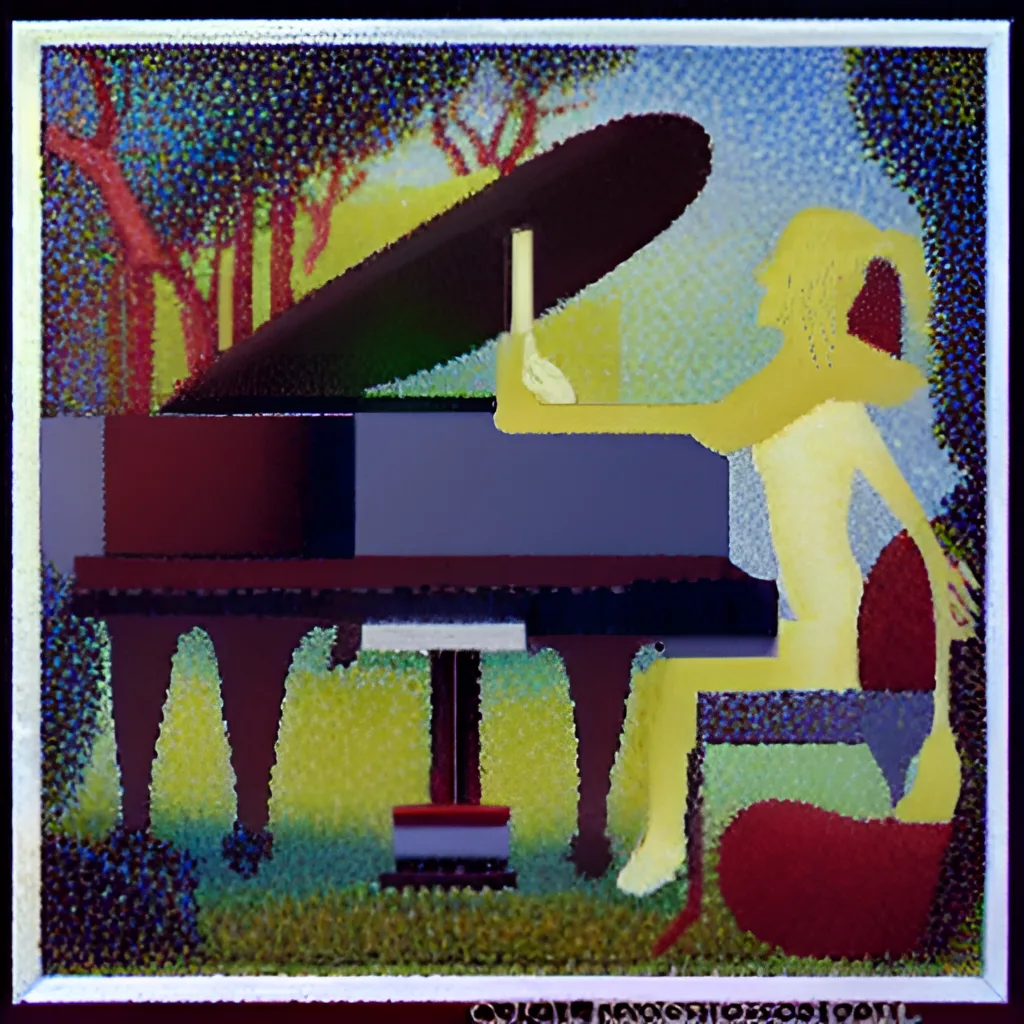
An Out-of-Tune Piano
At the premiere, Messiaen played an upright piano belonging to the camp, which was in very poor condition.
According to recollections, some keys would stick when pressed and produced no sound.
Even in such conditions, the performance of the work was completed.
Eight Movements
The Quartet for the End of Time has eight movements, and the combination of instruments differs from movement to movement.
In some movements all four instruments play together, while in others there are only one or two.
For example, the third movement, Abyss of the Birds, is for solo clarinet alone.
Talking About the Quartet with Your Teacher
In a lesson you can talk with Teacher Aum about this work that was born in a prisoner-of-war camp.
You can also ask your teacher to introduce some twentieth-century piano works that you could try at your own level.
Knowing a story like this lets us feel the power of music in hard times.
A Special Combination of Instruments
The combination of clarinet, violin, cello and piano was rare at the time.
Messiaen wrote according to the instruments and players he had around him.
The work later drew more attention to this combination of instruments too.
Abyss of the Birds
The third movement, Abyss of the Birds, is a clarinet solo.
The clarinet sometimes plays extremely long notes that swell from soft to loud, and sometimes imitates birdsong.
Messiaen loved birdsong, recorded a great deal of it during his life, and used it in his works.
The Premiere on 15 January 1941
On 15 January 1941, the Quartet for the End of Time was premiered in the prisoner-of-war camp.
The weather that day was cold, and the audience was made up of the camp's prisoners and guards.
Messiaen later recalled that he had never been listened to by such an attentive, understanding audience.
Four Musicians in the Camp
In the camp, Messiaen met several musicians who had also been taken prisoner.
Among them were the clarinettist Akoka, the violinist Le Boulaire and the cellist Pasquier.
Remember This
With Messiaen himself at the piano, they made exactly a quartet.
FAQ
Q: Where was Messiaen held?
A: In Stalag VIII-A near Görlitz in Germany.
Q: What instruments was the work written for?
A: Clarinet, violin, cello and piano.
Q: On what date was the premiere?
A: 15 January 1941.
Q: Where did the inspiration come from?
A: The Book of Revelation in the Bible.
Q: Which movement is the clarinet solo?
A: The third movement, Abyss of the Birds.
Start Practising with TIGA ALPHA
TIGA ALPHA is an AI piano teaching app built by a team in Thailand. The app is available in 10 languages: Thai, English, Chinese, Arabic, Japanese, Russian, Spanish, French, Hindi and Korean. Its CEO, Teacher Aum, has 20 years of experience teaching piano, and that teaching background shapes every lesson. When you play, the app listens and tells you which notes or beats to practise next, so the feedback is specific rather than generic. Use it as an online piano lessons app for short daily sessions, follow it as a complete online piano course, or combine it with lessons from a teacher. Whether you are starting from scratch, coming back after a long break, learning music alongside your children or simply playing for fun, your next step stays clear. New users get a 7-day free Premium trial, then US$24.99 per month.
- Download and start: TIGA ALPHA
- In-person lessons in Thailand: TIGA Studio
- About the company: tigaalpha.com