Peter and the Wolf (1936): Prokofiev Tells a Story with Instruments
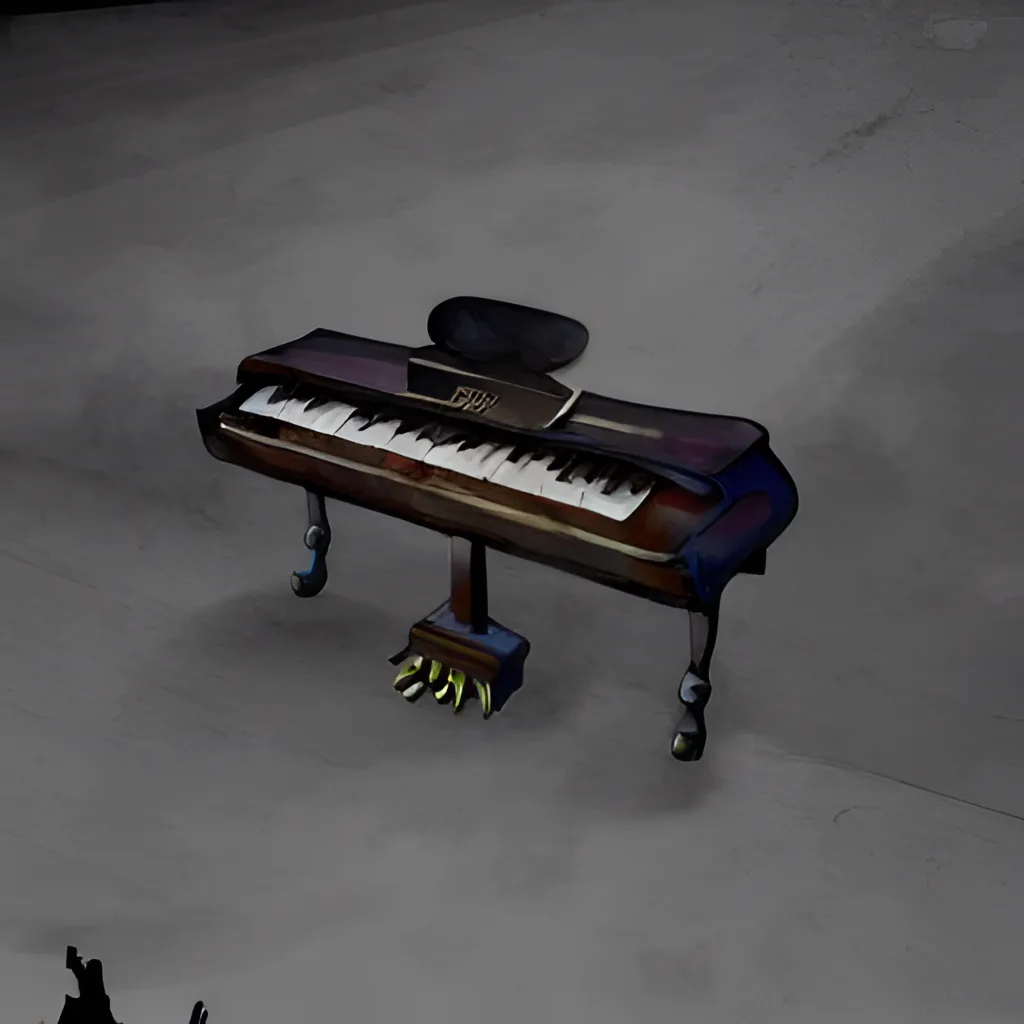
In 1936, the Russian composer Prokofiev wrote Peter and the Wolf for a children's theatre in Moscow. It is a symphonic fairy tale with a narrator, in which every character is represented by an instrument or a group of instruments: the bird is a flute, the duck an oboe, the cat a clarinet, the grandfather a bassoon, the wolf three horns, and Peter is portrayed by the strings. The work premiered in Moscow in May of the same year and later became a classic for helping children get to know the instruments of the orchestra.
Getting to Know the Sound of Instruments
Listening to Peter and the Wolf is a good way to get to know the tone colours of the orchestra's instruments.
Remember this
Try closing your eyes, listening only to the sound, and guessing which instrument is playing.
Once you are familiar with the tone colours of different instruments, you will be more interested when you listen to symphonies.
Notice the details
- Written in 1936 for a children's theatre in Moscow
- A symphonic fairy tale with narrator
- Each character is represented by an instrument
- Helps children get to know the instruments of the orchestra
Good for the Whole Family to Hear
The work lasts about twenty-five minutes, a length at which children can listen quietly to the end.
Parents can listen together with their child and afterwards chat about which character and which instrument they liked.
This kind of listening experience will make children more interested in music.
The Composer, Prokofiev
Sergei Prokofiev was a Russian composer and pianist, born in 1891 and died in 1953.
He wrote many works, including piano concertos, piano sonatas, ballets and symphonies.
In 1936 he returned to settle in Moscow, and in the same year wrote Peter and the Wolf.
Written for a Children's Theatre
Peter and the Wolf was written at the invitation of a children's theatre in Moscow.
The theatre wanted a work that would help children get to know the various instruments of the symphony orchestra.
You've read 30% of this article
Log in for free to read the remaining 70%
- Free to use
- No credit card needed
Plus, try Premium free for 7 days in the TIGA ALPHA app.
Continue with Google Sign up free Already a member? Log inProkofiev quickly completed the music and the story, reportedly in only a few weeks.
One Instrument for Each Character
The work's greatest feature is that every character has its own instrument and melody.
The bird is played by the flute, with a light and nimble sound; the duck by the oboe, with a slightly clumsy sound; the cat by the low register of the clarinet, with soft footsteps.
The grandfather is played by the bassoon, with a deep sound; the wolf by three horns, with a dark sound; and Peter by the strings, with a bright melody.
Imitating Instruments on the Piano
Although the piano has only one tone colour, you can imitate different instruments through touch, dynamics and register.
For example, when playing the bird's melody, you can play lightly and brightly in the high register; when playing the grandfather's melody, you can play steadily in the low register.
This kind of practice helps us enrich the piano's tone colour.

Music That Tells a Story
Peter and the Wolf shows that music itself can tell a story.
Even without the narrator, listeners can sense the story developing from the changes in the music.
When playing piano pieces, you can also imagine a story, which makes the music more vivid.
Narrator and Music
The work has a narrator who tells the story between the pieces of music.
The narrator first introduces each character and the instrument that represents it, so that listeners become familiar with the sounds before the story begins.
That way, when children hear a certain instrument, they know which character has entered.
The Leitmotif Method
Using a fixed melody to represent a character is called a leitmotif in music.
Whenever the character appears, its melody sounds, sometimes changing according to the plot.
For example, the wolf's melody is always dark, while Peter's melody is always bright and lively.
Peter and the Wolf Summary
In 1936, Prokofiev wrote the symphonic fairy tale with narrator Peter and the Wolf for a children's theatre in Moscow, and it premiered that May.
Each character is represented by an instrument, helping children get to know the instruments and tone colours of the symphony orchestra.
Piano learners can also imitate instruments at the piano with different registers and touches, or compose melodies for story characters.
The Story of Peter and the Wolf
The story is about a boy called Peter who lives at his grandfather's house, with a meadow outside the door.
One day a wolf comes out of the forest and swallows the duck. With the help of the bird, Peter catches the wolf with a rope.
In the end the hunters arrive, and together they take the wolf to the zoo.
Composing Music for Characters
You can play a game with your child: choose a story and compose a simple melody for each character.
Use different registers and tempos of the piano to portray different characters, for example an elephant walking slowly in the low register and a kitten hopping lightly in the high register.
This game is fun and also develops children's imagination and creativity.
The 1936 Premiere
Peter and the Wolf premiered in Moscow in May 1936.
According to records, the premiere did not attract much attention, but the work soon spread around the world.
Today it has been translated into many languages and is performed and recorded with many different narrators.
FAQ
Q: Who wrote Peter and the Wolf?
A: The Russian composer Prokofiev, in 1936.
Q: Who was it written for?
A: A children's theatre in Moscow.
Q: Which instrument represents the bird?
A: The flute.
Q: Which instrument represents the wolf?
A: Three horns.
Q: How can you imitate instruments on the piano?
A: With different registers, dynamics and touch.
Start Practising with TIGA ALPHA
TIGA ALPHA is an AI piano teaching app built by a team in Thailand. The app is available in 10 languages: Thai, English, Chinese, Arabic, Japanese, Russian, Spanish, French, Hindi and Korean. Its CEO, Teacher Aum, has 20 years of experience teaching piano, and that teaching background shapes every lesson. When you play, the app listens and tells you which notes or beats to practise next, so the feedback is specific rather than generic. Use it as an online piano lessons app for short daily sessions, follow it as a complete online piano course, or combine it with lessons from a teacher. Whether you are starting from scratch, coming back after a long break, learning music alongside your children or simply playing for fun, your next step stays clear. New users get a 7-day free Premium trial, then US$24.99 per month.
- Download and start: TIGA ALPHA
- In-person lessons in Thailand: TIGA Studio
- About the company: tigaalpha.com